
How to Use Lavender Essential Oil for Sleep
 Written by Ben Glinsky
Ask AI about this article and Essential Oils (Therapeutic Grade)





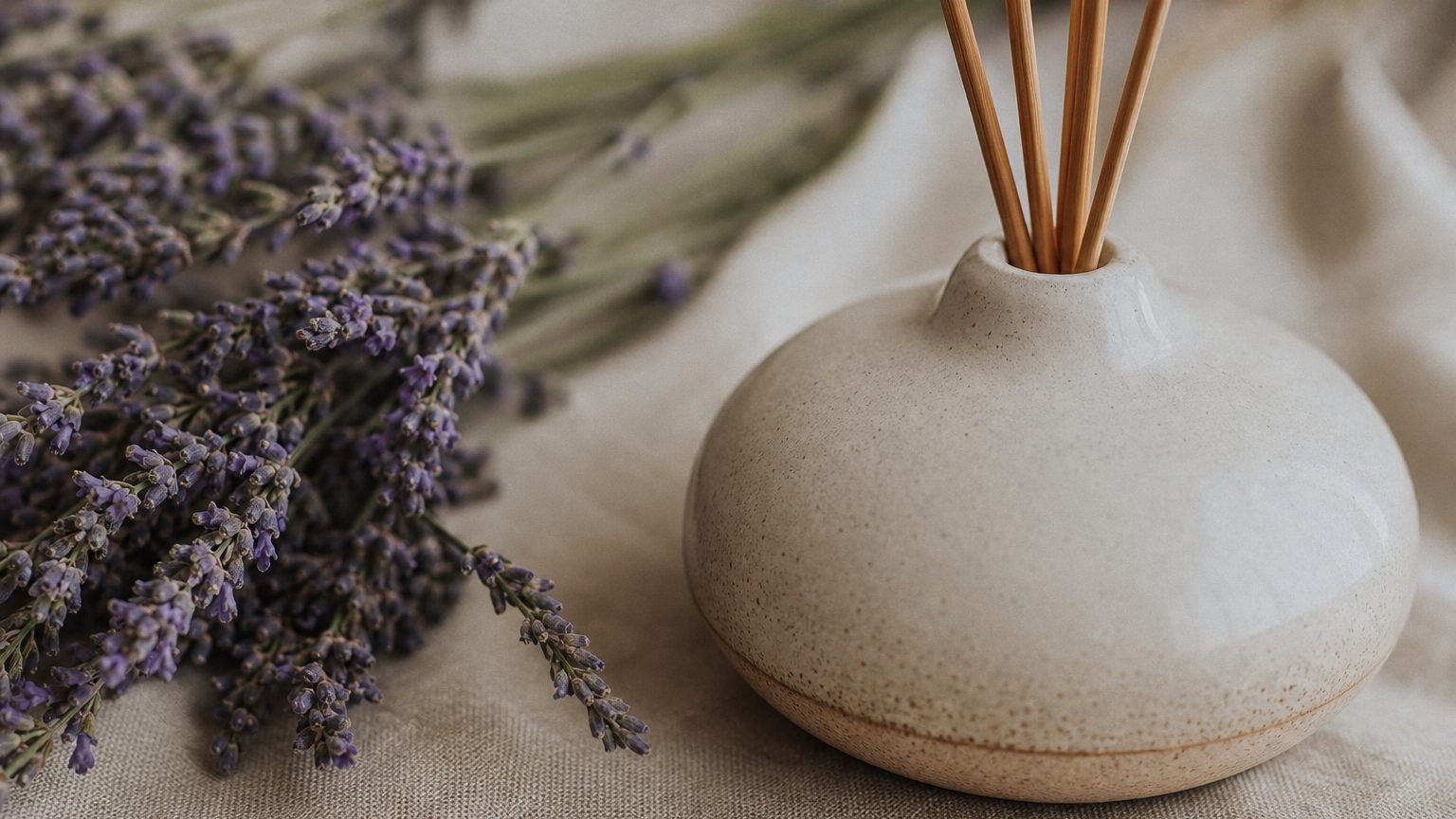
To use lavender essential oil for sleep, inhale it with a diffuser or bedside tissue, or apply it topically only after proper dilution. Start as part of a consistent wind-down routine, follow the product label, and do not ingest the oil or place it near your eyes.
Key Takeaways
- Choose inhalation first: A diffuser or bedside tissue offers a simple way to use lavender without putting it on your skin.
- Dilute topical oil: Mix lavender essential oil with a carrier oil according to label directions before applying it to pulse points.
- Place it carefully: Keep undiluted oil away from pillows, eyes, nostrils and other sensitive areas.
- Expect subtle support: Research on lavender suggests possible sleep-quality benefits, but results vary and it is not a guaranteed sleep aid.
- Build a routine: Use the same method during a quiet bedtime period rather than relying on more oil or a stronger scent.
What Lavender Research Shows
Research on lavender suggests that inhaling its aroma may promote relaxation and support perceived sleep quality for some people. Perceived sleep quality is a person's own assessment of how well they slept, usually measured with a questionnaire rather than a laboratory sleep recording.
A 2021 systematic review and meta-analysis, which combined results from multiple studies, found favorable effects on sleep quality. Earlier reviews also identified encouraging findings for inhaled essential oils. However, the studies used different lavender preparations, exposure times, participant groups and outcome measures, making it difficult to identify one best method.
There are other limitations. Lavender has a recognizable fragrance, so participants often know whether they received the real intervention. That makes effective blinding, the process of keeping participants unaware of their assigned treatment, difficult. Expectations and the bedtime ritual itself may influence questionnaire scores.
Some trials also examine oral lavender preparations. Those findings should not be applied to inhaled or topically applied essential oil because the route, formulation and exposure differ. Essential oil intended for aromatherapy should not be swallowed unless a qualified clinician specifically directs otherwise.
Overall, lavender is best viewed as a possible sensory cue for winding down, not a guaranteed solution. Research has not established that everyone will respond, that stronger aromas work better, or that lavender replaces regular sleep habits or medical care for ongoing sleep concerns.
Choose Your Lavender Method
The simplest method is passive inhalation. Put a tissue or reusable aromatherapy pad near your bed, add lavender according to its label, and keep it far enough away that the scent remains mild. Do not tuck an oil-soaked tissue inside your pillowcase, where concentrated oil could reach your skin or eyes.
A diffuser spreads aromatic compounds into the room. Fill and operate the device according to its instructions, use only the label-directed amount of oil, and place it on a stable surface where mist will not blow directly into your face. Intermittent use during your wind-down period is generally more practical than running a diffuser in a closed room all night.
For topical use, dilute lavender with a carrier oil, a neutral plant oil used to reduce the concentration of an essential oil. Follow the lavender label and carrier-oil directions rather than estimating a mixture. Apply a small amount to a limited area such as your wrists or forearms after a patch test.
You can also use lavender in a bath if the label permits it, but essential oil does not dissolve evenly in water. Dilute it as directed and combine it with a bath-compatible dispersing base rather than dropping undiluted oil onto the water. Be cautious because oils can make the tub slippery.
A pillow spray is different from undiluted essential oil. Use a properly formulated linen product if you prefer that method. Straight essential oil can stain fabric and create concentrated contact with your face overnight.
Build a Bedtime Routine
Begin your lavender routine during a predictable wind-down period rather than waiting until you are already frustrated about being awake. Dim bright lights, stop demanding tasks and choose one lavender method. A repeatable sequence may help your brain associate the aroma and surrounding habits with bedtime.
If you use a diffuser, set it up according to the device and oil labels, allow the fragrance to disperse while you read or prepare for bed, and turn it off as directed. Keep the room ventilated. A strong aroma is not evidence that the method is working better, and adding extra oil can make the experience unpleasant.
Without a diffuser, use the tissue or aromatherapy-pad method. Place it on a nightstand rather than directly under your nose. If the fragrance feels overpowering, move it farther away instead of trying to tolerate it.
For topical use, patch test the diluted mixture on a small area before making it part of your routine. Stop using it if you notice redness, burning, itching or another unwanted reaction. Wash your hands after handling the oil so you do not accidentally transfer it to your eyes.
Give the routine time to become familiar, but pay attention to the result rather than assuming lavender must help. A brief sleep diary can track when you used it, how long you felt awake and how rested you felt the next day. Keep other variables, such as bedtime and caffeine timing, reasonably consistent.
For a simple bedtime ritual, use Lavender in a diffuser according to its label, or dilute it with a carrier oil before applying it to pulse points or adding it to bathwater. LiveGood describes it as a Therapeutic Grade Premium Essential Oil, and the product is third-party tested. Whether you choose this oil or another, keep the aroma mild, follow label directions and pair it with a consistent wind-down routine.
Where to Put Lavender Oil
If you are wondering where to put lavender essential oil for sleep, the safest practical location is often in a suitable diffuser or on an aromatherapy pad placed on a nearby nightstand. This provides scent without prolonged direct contact between concentrated oil and your skin, bedding or face.
For topical application, common pulse points include the wrists and forearms. A pulse point is an area where blood vessels sit relatively close to the skin, although there is no strong evidence that these spots deliver unique sleep benefits. They are simply convenient areas where you can notice the aroma. Always dilute the oil first.
Some people put diluted lavender on the soles of their feet. There is no convincing evidence that the feet absorb lavender in a way that provides a special sleep advantage. If you prefer this location, use a properly diluted mixture, avoid cracked or irritated skin, and put on socks only after checking that the oil will not damage the fabric or create a slipping risk.
Avoid your eyelids, temples close to the eyes, inside the nose, lips, genitals and broken skin. Also avoid putting undiluted essential oil directly on your pillow. Even if a pillow application begins away from your face, normal movement during sleep can bring your eyes and skin into contact with it.
Placement matters less than safe dilution, comfortable scent intensity and consistency. The broader guide to using essential oils explains how inhalation and topical methods differ.
Use Lavender Safely
Essential oils are concentrated aromatic extracts. Natural origin does not mean they are automatically gentle, and the phrase "therapeutic grade" is not a standardized federal quality category. Check the botanical name, directions, warnings and testing information instead of judging an oil only by marketing terminology.
Do not ingest lavender essential oil. Keep it away from your eyes, inner ears and mucous membranes, the moist tissues lining areas such as the nose and mouth. If oil gets into your eyes or you experience a significant reaction, contact an appropriate healthcare professional or poison control service.
Before topical use, dilute according to the product label and perform a patch test. Apply the diluted mixture to a small area and wait according to the label or a clinician's guidance before wider use. Skin can become sensitive after repeated exposure even if the first application caused no problem.
Diffusion also deserves care. Use the diffuser in a ventilated room, keep it away from flames and heat, and clean it according to the manufacturer instructions. Stop if the aroma causes headache, nausea, coughing or respiratory discomfort.
Ask your doctor before use if you are pregnant or breastfeeding, take prescription medication, have kidney or liver conditions, or have any existing medical condition. Ask a pediatrician before using essential oils around children. Pets process aromatic compounds differently, so consult your veterinarian before diffusing around them and make sure an animal can leave the room.
Lavender should support, not replace, foundational habits such as a regular wake time, a dark bedroom and appropriate caffeine timing. If sleep problems persist, worsen or interfere with daytime life, speak with a healthcare professional rather than repeatedly increasing essential-oil exposure.
Adjust the Routine Thoughtfully
Lavender may feel calming on the first evening, but research does not establish a universal response time. Some studies assess participants after a single exposure, while others examine repeated use across several nights or weeks. These different designs are one reason you should be cautious about claims that lavender works within a precise number of minutes.
Start with one method so you can tell how you respond. Using a diffuser, topical blend, bath and pillow product at the same time creates a stronger fragrance but makes it difficult to identify what is useful or irritating. More exposure does not necessarily provide more support.
If the scent becomes distracting, reduce the exposure according to the label, move the passive source farther away or stop using it. If you notice no meaningful difference after a consistent trial, it is reasonable to discontinue the routine. You do not need to force a sensory practice that does not suit you.
You can also review the rest of your evening routine. Late caffeine, alcohol, irregular schedules, bright light and a warm or noisy bedroom may outweigh a subtle aroma cue. Some people explore other routine-based options, including different forms of magnesium for sleep, but supplements and essential oils have different safety considerations.
Lavender's aroma may also become part of a broader calming routine. For a closer look at the evidence and its limitations, see lavender essential oil and stress. Consistency, moderate exposure and realistic expectations matter more than chasing an immediate effect.