
How to Use Essential Oils
 Written by Ben Glinsky
Ask AI about this article and Essential Oils (Therapeutic Grade)





You can use essential oils by diffusing them, inhaling them from a personal aroma item or applying them to your skin after proper dilution. The right method depends on the oil, its label and whether you want personal fragrance, room scent or a calming routine. Start with one oil, use the smallest label-directed amount and pay attention to how you respond.
Key Takeaways
- Read the label: Each essential oil has its own directions, restrictions and recommended uses.
- Dilute for skin: Mix essential oils with a suitable carrier oil before topical application unless the label says otherwise.
- Diffuse thoughtfully: Follow the device and oil directions, ventilate the room and clean the diffuser regularly.
- Never assume edible: Do not swallow an essential oil unless the product is specifically intended and labeled for that use.
- Expect personal results: Scent preferences and responses vary, while research on many wellness uses remains limited or mixed.
Understand what essential oils are
Essential oils are concentrated aromatic compounds obtained from plant material. Manufacturers commonly use steam distillation, while some citrus oils, including many lemon oils, are cold pressed from the peel. These processes capture a plant's characteristic fragrance in a much more concentrated form than the original flower, leaf, resin or fruit.
The word "essential" refers to the plant's aromatic essence. It does not mean the oil is nutritionally essential, and an essential oil is not the same as a cooking oil or a carrier oil. Carrier oils, such as jojoba, coconut or grapeseed oil, help spread and dilute concentrated essential oils for skin application.
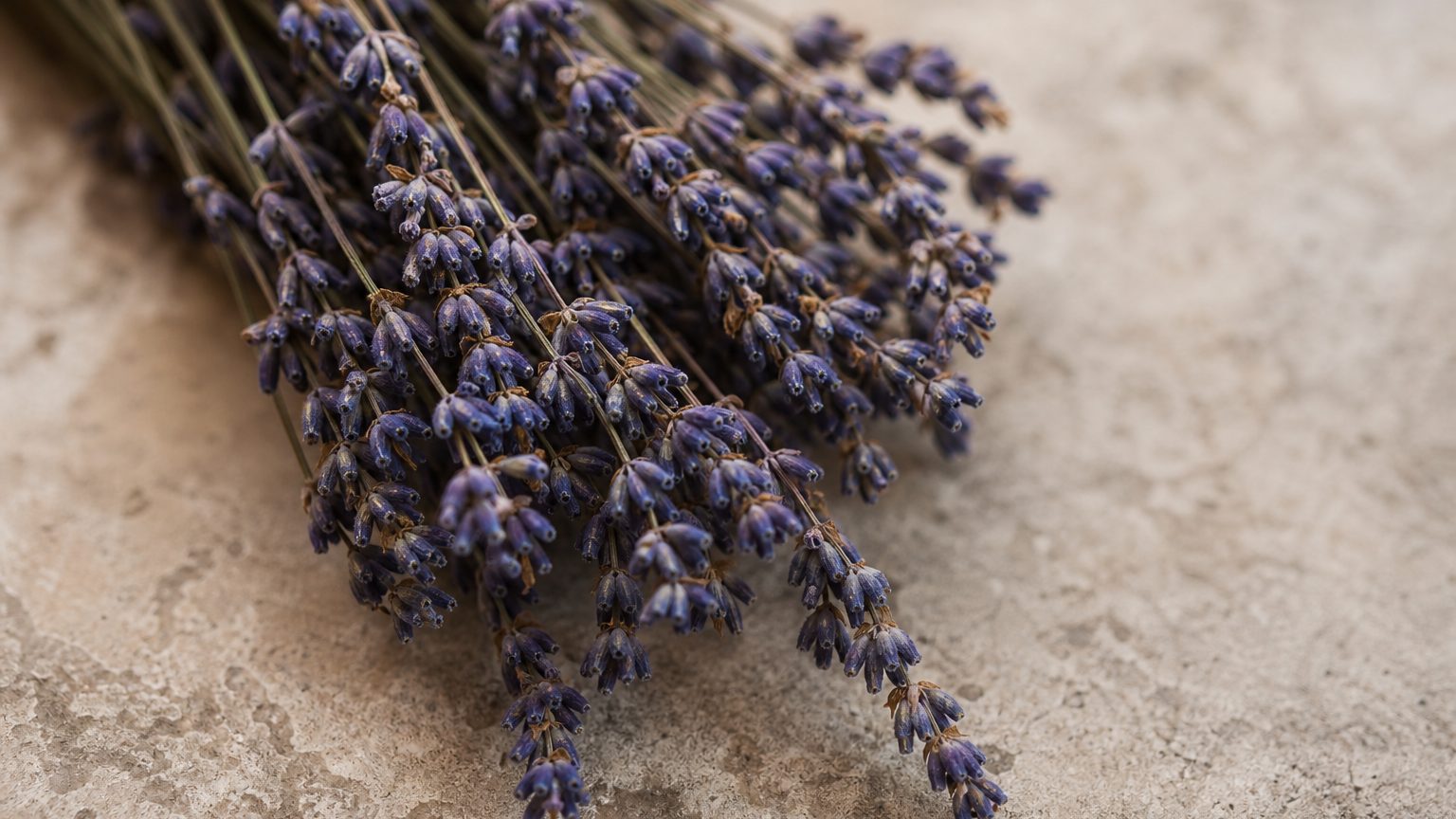
Aroma can influence your experience of a space through the sense of smell and the personal associations you have with a fragrance. Research on individual ingredients such as lavender suggests that inhaled aromas may support relaxation and subjective sleep quality for some people. However, studies use different oils, concentrations, delivery methods and outcome measures, so they do not prove that every lavender product produces the same result.
Quality terms can also be confusing. "Therapeutic grade" is a commercial description rather than a universally regulated essential oil grading system. More useful details include the botanical name, plant part, extraction method, intended use, lot information, ingredient list and any testing claims the company can document.
Choose the right use method
If you are wondering, "How do I use essential oils?" begin by deciding where you want the aroma and how much exposure you need. Your choice should come before selecting the oil.
For a room, use a diffuser designed for essential oils. This spreads aroma through a defined space, but more oil does not necessarily create a better experience. Start with the amount stated by the diffuser and essential oil labels, then reduce it if the scent feels overwhelming.
For personal inhalation, place the label-directed amount on an aroma inhaler, scent strip or another item designed for dry evaporation. Keep the undiluted oil off your skin. This approach creates a smaller scent zone and may be preferable in a shared home or workplace.
For skin, dilute the oil in a carrier oil or use a properly formulated roll-on. Follow the product's dilution and application directions rather than relying on a universal drop count. Oil chemistry, skin sensitivity and intended body area all affect safe use.
For a bath, do not drip undiluted essential oil directly into the water. Oil does not dissolve in water, so concentrated droplets can remain on the surface and contact your skin. Use a bath product formulated to disperse essential oils, following its directions.
For food or drinks, assume the answer is no unless the specific product is expressly labeled for culinary use. A pleasant-smelling plant oil is not automatically appropriate to swallow. Our detailed guide explains the distinction between aromatic products and essential oils for food.
Use oils step by step
A repeatable process makes essential oil use simpler and reduces avoidable mistakes. Use these steps whether you are scenting a room or creating a personal topical routine.
- Check the complete label. Confirm the oil's identity, intended route of use, warnings and expiration or recommended use period. Do not copy directions from another oil, even if the bottles look similar.
- Choose one purpose. Decide whether you are diffusing, using dry evaporation or making a diluted topical application. Avoid trying several new oils and methods on the same day because you will not know which one caused an unwanted response.
- Measure according to directions. Follow both the oil label and the device or carrier product instructions. Do not pour directly from the bottle without counting or measuring as directed.
- Dilute topical oils. Combine the oil thoroughly with the label-specified carrier. A roll-on container can help with controlled application, but it does not make an undiluted oil safer.
- Test a small area. Apply a small amount of the diluted mixture to intact skin and wait according to label guidance before broader use. Stop if you notice burning, significant redness, swelling or persistent discomfort.
- Limit the scent zone. Diffuse in a ventilated space and avoid directing mist at a person, animal, food preparation area or upholstered surface.
- Record your blend. Write down the oils and amounts you used. This prevents guesswork if you want to repeat the aroma or identify what did not suit you.
For a ready-made option, LiveGood's Essential Oils are described as Therapeutic Grade Premium Essential Oils and are third-party tested, cruelty free, vegan and Non GMO. They are priced at $29.95 for members versus $69.95 retail. Whichever oils you choose, use the label-directed amount in your diffuser, or dilute as directed before applying to pulse points or incorporating them into a compatible skincare or bath product.
Use an essential oil diffuser
To use a diffuser for essential oils, first identify the device type. An ultrasonic diffuser uses water and vibration to create a fine mist. A nebulizing diffuser generally disperses undiluted oil and may produce a more concentrated aroma. Passive devices, such as porous ceramic pieces, release scent without electricity.
For a typical ultrasonic model, place it on a stable, water-resistant surface away from direct sunlight and the edge of furniture. Fill the reservoir to its marked line, add only the amount directed by the diffuser and oil labels, replace the cover and select the desired run setting. Do not add carrier oils because they can coat or damage the device.
Use a timer or intermittent setting if available, especially in a small room. Keep a door open or otherwise maintain ventilation. If the fragrance becomes uncomfortable, turn off the device and move to fresh air rather than trying to cover the scent with another oil.
Empty leftover water after use if the manufacturer recommends it. Wipe the reservoir and clean the unit on the stated schedule because residue can alter later aromas and affect performance. Never immerse the electrical base in water.
Device designs vary, so its manual takes priority over generic instructions. See the complete walkthrough on how to use an essential oil diffuser for placement, cleaning and common troubleshooting steps.
Try other everyday methods
You can use essential oils without a diffuser. For dry evaporation, add the label-directed amount to an aroma stone, scent strip or cotton pad placed where children and pets cannot reach it. Avoid setting oil-soaked material directly on painted, plastic, polished or porous surfaces because concentrated oils may cause damage.
To scent a room more evenly, choose a premade spray formulated with an appropriate dispersing ingredient. Essential oils do not mix into plain water, even after vigorous shaking. A homemade water-only spray can distribute concentrated droplets onto skin, furniture or floors, so it is not a reliable substitute for a properly formulated product.
For personal fragrance, use a skin-safe, diluted blend and apply it only as directed. Pulse points such as the wrists may help you notice the aroma because they sit close to your nose during normal movement, not because they provide a special route into the body. If you want to develop a balanced scent, read the guide to making perfume with essential oils.
For hair or skincare, add an essential oil only to a compatible base that is intended for customization, and stay within its label directions. Adding oil to a full commercial bottle can disrupt the formula or make the final concentration uneven. Keep mixtures away from your eyes and other sensitive areas.
Do not place essential oils directly on candles or near an open flame. They are concentrated aromatic materials, and safe candle formulation requires controlled fragrance amounts and suitable wax. Review the specific considerations for essential oils in candles before attempting a candle project.
In a car, use a purpose-made passive vent clip or aroma pad sparingly. Keep oil away from the steering wheel, pedals, screens and upholstery, and stop using the scent if it distracts you or a passenger.
Follow essential oil safety basics
Essential oils are concentrated, so natural does not automatically mean gentle. Avoid undiluted skin application unless the specific label clearly permits it. Never apply an oil to your eyes, inside your nose or ears, or on broken or irritated skin.
Some cold-pressed citrus oils can be phototoxic, meaning they may increase the skin's sensitivity to ultraviolet light after topical use. The risk depends on the specific oil, production method and concentration. Follow its sunlight warning and do not assume every citrus oil has identical restrictions.
Store bottles tightly closed in a cool, dark location. Heat, light and oxygen can change oil chemistry over time. An older, oxidized oil may smell different and may be more likely to bother your skin, so discard it according to local guidance if its aroma, color or consistency changes noticeably.
Keep essential oils away from flames and high heat. Store them where children and pets cannot reach the bottles, caps or used aroma pads. Animals process aromatic compounds differently, and a scent that feels mild to you may not be appropriate for them. Ask your veterinarian before using essential oils around a pet, and ask a pediatrician before using them around or on a child.
Speak with your doctor before use if you are pregnant or breastfeeding, take prescription medicine, have kidney or liver conditions, or live with another existing medical condition. Bring the full label or ingredient list so your doctor can evaluate the actual product rather than the common name alone.
If an oil is swallowed accidentally or causes a serious reaction, contact your local poison control service or emergency services. Do not induce vomiting or apply another essential oil in an attempt to counteract it.
Blend oils with a plan
There is no universal list of essential oils that must never be mixed together. The safety of a blend depends on each oil's restrictions, the total concentration, the route of use and the person exposed. Combining several oils also combines their relevant precautions.
Start by smelling each oil separately on a scent strip. If you enjoy them individually, place the strips near one another before mixing the liquids. Perfumers often describe scents as top, middle and base notes. These terms refer broadly to how quickly an aroma becomes noticeable and fades, not to a wellness ranking.
Make a small test blend and document every amount. For topical use, calculate and follow the final dilution directions for the complete mixture rather than diluting each component independently and then guessing at the total. For diffusers, stay within the device's overall amount even when using several oils.
Choose oils by aroma preference and intended setting rather than expecting a fragrance to produce a guaranteed result. Peppermint may smell crisp and prominent, lemon may feel bright, lavender is often associated with evening routines, and frankincense has a resinous aroma. These descriptions are sensory, and individual responses differ.
Research on an ingredient can guide questions, but it cannot guarantee what you will experience from a particular bottle or blend. Use essential oils as one part of a consistent wellness or home routine, not as a replacement for sleep habits, medical care, ventilation, hygiene or other practical basics.