
Grass Fed Whey Protein Isolate Guide
 Written by Nauder Khazan
Ask AI about this article and Whey Protein Isolate - With Colostrum





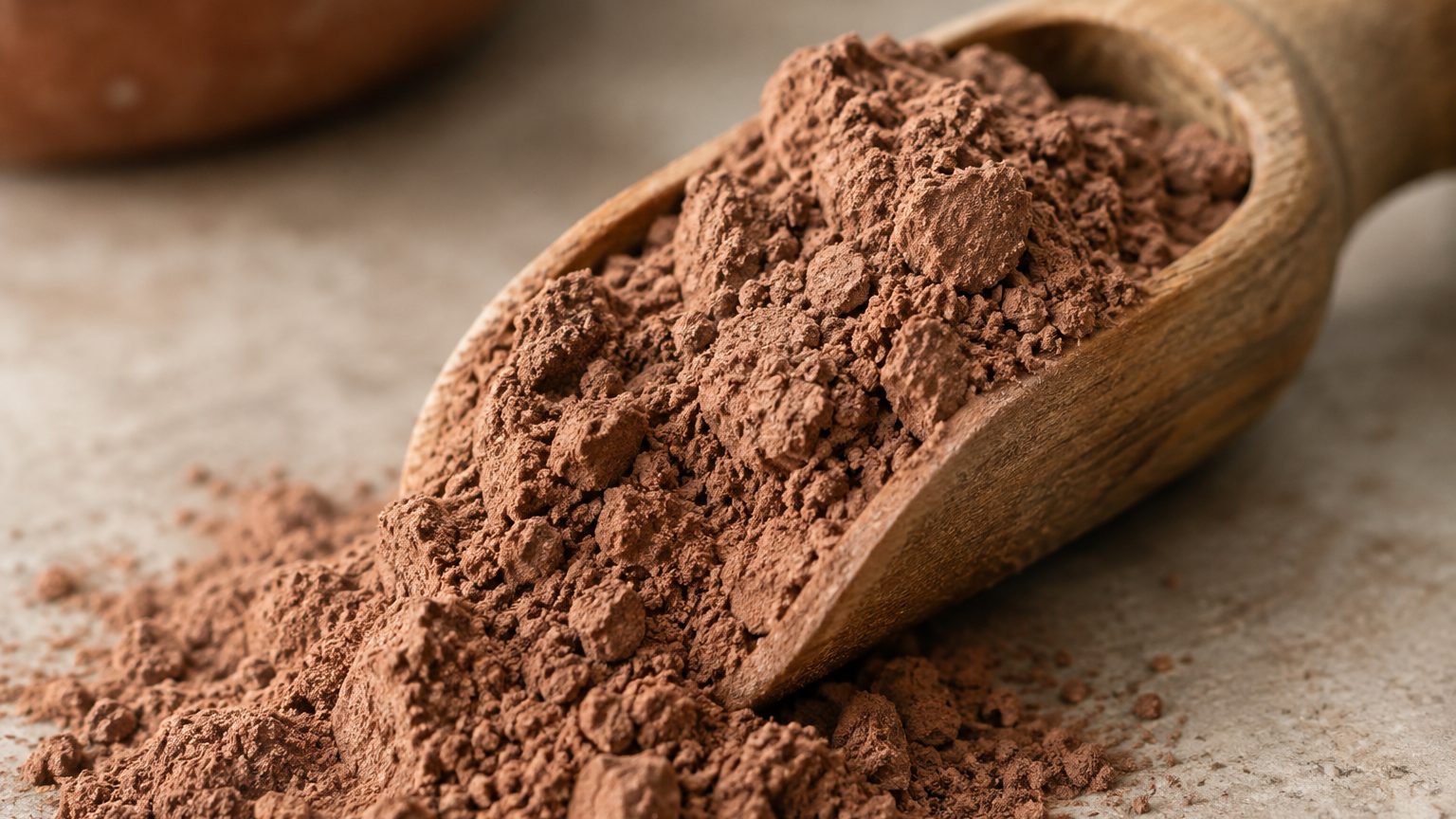
Grass fed whey protein isolate can provide high-quality protein with very little fat or lactose, but the grass-fed claim changes less nutritionally than many buyers expect. The best choice combines meaningful protein and leucine levels with transparent sourcing, appropriate testing, tolerable ingredients and a reasonable cost per serving.
Key Takeaways
- Grass-fed meaning: The claim describes the cows' diet, not a major nutritional advantage in a nearly fat-free whey isolate.
- Isolate difference: Whey isolate is at least 90% protein by dry weight, with most fat and lactose removed during processing.
- Protein quality: Look for about 2 to 3 grams of leucine per serving alongside all nine essential amino acids.
- Testing matters: Third-party testing is valuable, but you should still ask what the laboratory tested and whether results are available.
- Compare fairly: Calculate price for the same amount of protein rather than comparing container size or scoop count alone.
What Grass Fed Means
Grass fed whey protein starts with milk from cows whose diets meet a producer's grass-fed requirements. That may sound straightforward, but grass fed has no single, universal legal standard in the United States. Feeding rules, pasture access and whether supplemental feed is allowed can vary among producers and voluntary certification programs.
The American Grassfed Association, for example, offers a named voluntary certification with defined standards. A grass-fed statement can also come directly from a farm or supplier without that certification. Before paying more, look for a named standard, farm information or a clear explanation of what the company means by grass fed.
Grass feeding can change the fat profile of milk, including its proportions of omega-3 fatty acids and conjugated linoleic acid, usually shortened to CLA. However, whey isolate contains almost no fat. Much of that potential difference is removed during processing, so the finished isolate is unlikely to provide a meaningful fatty-acid advantage over conventional isolate.
That does not make the claim irrelevant. Some buyers choose grass fed whey protein because they care about pasture-based farming, animal welfare, feed practices or sourcing transparency. Hormone and antibiotic policies may also influence a buying decision, but grass fed alone does not establish those policies. Check each one separately rather than assuming they come with the claim.
In short, the grass fed vs regular whey decision is more about agricultural practices and traceability than dramatically different protein performance. The amino acid profile, protein per serving and testing documentation usually tell you more about how a powder fits your nutrition goals.
Isolate Versus Concentrate
Whey isolate and whey concentrate both come from milk, and both generally provide all nine essential amino acids, meaning the amino acids your body must obtain from food. The main distinction is how extensively the whey is filtered.
Whey protein isolate is at least 90% protein by dry weight. Processing removes most of the original lactose, fat and other non-protein material. Concentrate varies more widely in protein percentage and retains more lactose and fat, which can give it a creamier taste and usually a lower price.
Grass fed whey protein isolate is not automatically better than a grass-fed concentrate. If you want more protein for a given number of calories, limit lactose or prefer a leaner formula, isolate may be the practical choice. If you tolerate dairy well, prefer a richer texture and want to spend less, concentrate may work just as well for meeting daily protein needs. Our detailed whey protein isolate vs concentrate comparison explains the processing differences further.
Do not assume isolate is completely free from lactose unless the label specifically says so. Levels differ by formula, flavoring and manufacturing controls. LiveGood Whey Protein Isolate is listed as lactose free, but it still contains milk proteins and carries a contains milk statement.
The higher filtration requirements help explain why isolate often costs more. You are paying for a higher protein concentration and the removal of more fat and lactose, not for a fundamentally different kind of protein. This distinction matters when comparing whey isolate vs concentrate grass fed products at different prices.
Read the Whole Label
Start with protein per serving and serving weight. A large scoop can make a formula look generous even if much of that scoop comes from flavoring, carbohydrate or added fat. You can also compare protein per 100 calories. A serving with 20 grams of protein and 100 calories provides 20 grams of protein per 100 calories.
Next, check leucine. Leucine is an essential amino acid that helps signal muscle protein synthesis, the process your body uses to build and maintain muscle proteins. Research commonly uses servings providing roughly 2 to 3 grams of leucine. More is not automatically better, but a disclosed amount helps you compare protein quality rather than relying on front-label language.
The LiveGood label lists all nine essential amino acids and 2,157 mg of leucine per serving. One 26.21 g scoop provides 20 g protein, 100 calories, 2 g carbohydrate, 1 g sugar, 1 g fiber, 1 g fat and 230 mg sodium. These figures let you evaluate the powder against your overall diet and daily protein target.
Read the full ingredient list as well. This formula contains grass fed whey protein isolate, organic cacao powder, pink Himalayan salt, grass fed bovine colostrum, a digestive enzyme blend, organic stevia, organic vanilla flavor and organic monk fruit. Colostrum is the first milk produced after a cow gives birth. Its presence makes this more than a plain whey-only formula, but the label does not disclose its separate amount.
The enzyme blend contains amylase, lactase, lipase and protease, enzymes involved in breaking down carbohydrate, lactose, fat and protein. Their inclusion does not prove that every person will digest the powder comfortably. Sweeteners also matter because stevia and monk fruit have distinct tastes.
Finally, investigate testing. Protein powders can be evaluated for identity, protein content, microbes and contaminants such as heavy metals. Third-party tested is useful, but it does not explain the scope or results by itself. LiveGood lists this formula as third-party tested, non-GMO, gluten free, soy free, grass fed, pasture raised and sourced from US sustainable farms. Ask for current testing details if that information drives your purchase. The phrase clean whey protein has no standard definition, so documented facts matter more than the word clean.
Taste, Mixing and Digestion
Isolate usually mixes with a lighter texture than concentrate because it contains less fat and lactose. Flavoring changes that experience. Cacao, salt, stevia, monk fruit and vanilla can affect sweetness, aftertaste and how well the powder works in plain water compared with a smoothie.
For the LiveGood formula, follow the label direction to mix one scoop in water or your favorite smoothie. Water gives you the clearest sense of the powder's own taste and texture. A smoothie can add calories, protein, fiber or sweetness depending on the ingredients, so include those additions when assessing the complete drink.
Mixability depends on liquid volume, temperature and technique. Adding liquid before powder can keep dry powder from collecting at the bottom of a shaker. Shaking or blending thoroughly matters more than whether you use a particular type of cup.
Whey isolate has most lactose removed, which is one reason some people who limit lactose choose it. The LiveGood product is labeled lactose free and includes lactase, but it still contains milk and bovine colostrum. Lactose intolerance and milk allergy are not the same. Lactose is a milk sugar, while a milk allergy involves a reaction to milk proteins.
Your personal response matters more than general assumptions about whether whey isolate is easier to digest. Start only as directed on the label, and pay attention to persistent discomfort or other unexpected reactions. Stop using the product and speak with your doctor if you have concerning symptoms.
If you want a measured grass-fed option, Whey Protein Isolate provides 20 g protein and 2,157 mg leucine in one 26.21 g scoop. Mix one scoop in water or a smoothie as directed. Research often studies protein near exercise, including within 30 minutes afterward, but total daily intake matters more than a narrow window. Choose consistent pre- or post-workout timing that supports your routine.
Compare the Real Cost
The best grass fed whey isolate is not necessarily the least expensive container. Package size, scoop weight and serving count can hide substantial differences. Compare the cost of receiving the same amount of protein, such as 20 grams, rather than comparing the cost per scoop.
Use this calculation: container price divided by total grams of protein, then multiply by 20. Total protein equals protein per serving multiplied by the number of servings. Remember that shipping and taxes can change the final figure.
The LiveGood container has 30 servings with 20 g protein each, for 600 g of protein in total. At the listed member price of $39.95, the cost is about $1.33 per 20 g of protein. At the listed retail price of $49.95, it is about $1.67 per 20 g. Those calculations use the listed catalog prices and exclude shipping and tax.
Price is only one part of value. Compare leucine, total calories, sodium, sweeteners, allergens, serving count, testing and whether the grass-fed source is adequately explained. A cheaper powder that you dislike or do not tolerate is not a useful bargain. Conversely, a long list of fashionable additions does not necessarily justify a much higher price.
Also examine whether the scoop measurement corresponds to a weight. Powder can settle, and scoops are volume tools rather than precision scales. A stated serving weight, such as 26.21 g, gives you a more reliable basis for comparing formulas. This approach makes comparisons fair even when containers use different scoop sizes.
Who Should Check First
Whey comes from milk, so grass fed whey protein isolate is not appropriate for everyone. A lactose-free statement addresses milk sugar, not milk proteins. Anyone with a diagnosed milk allergy should avoid a contains milk product unless their doctor has specifically advised otherwise.
If you have a kidney or liver condition, ask your doctor how supplemental protein fits your individual nutrition plan. The issue is not that protein powder is universally harmful, but that an appropriate protein intake can depend on your condition, laboratory results and treatment plan. The same caution applies if you have another existing medical condition.
Talk with your doctor or pharmacist before use if you take prescription medicine. Pregnant or breastfeeding adults should also ask their doctor before adding a supplement. For children, consult a pediatrician rather than adapting adult label directions.
For other adults, begin with the larger question: do you need a supplement to reach your daily protein target? Food can provide protein along with vitamins, minerals and other nutrients. Whey is a convenient option when meals do not consistently cover your needs, especially around a busy schedule or resistance-training routine.
Then choose according to your priorities. Isolate makes sense when you want high protein relative to calories and minimal fat or lactose. Grass fed makes sense when farm practices and sourcing are important to you and the company substantiates its claim. Testing, a useful leucine amount and a tolerable ingredient list should remain central to your decision. Supplements support a consistent eating and training routine, but they do not replace one.
Frequently Asked Questions
Is grass-fed whey protein isolate healthy?
Grass-fed whey protein isolate can be a practical source of complete protein within a balanced diet. Grass feeding may change milk's fat profile, but isolate contains very little fat, so the finished powder's nutritional difference is usually small. Evaluate protein, leucine, calories, sweeteners, allergens and testing rather than relying on the grass-fed claim alone.
What is the best grass-fed whey protein isolate?
The best grass-fed whey protein isolate is one that fits your protein needs, budget, taste and dietary restrictions. Look for transparent sourcing, about 2 to 3 grams of leucine per serving, all nine essential amino acids, a clear ingredient list and meaningful third-party testing. Compare cost per equal amount of protein instead of cost per scoop.
What is the difference between grass-fed whey and grass-fed whey isolate?
Grass-fed whey is a broad description that may include concentrate or isolate, while grass-fed whey isolate is filtered to at least 90% protein by dry weight. Isolate contains less fat and lactose than concentrate and generally costs more. Both can provide high-quality protein, so your preferred texture, lactose limits and budget help determine the better fit.
Does grass-fed whey isolate contain lactose?
Grass-fed whey isolate normally contains much less lactose than whey concentrate, but it is not automatically lactose free. Check the individual product label and allergen statement. LiveGood Whey Protein Isolate is listed as lactose free, yet it contains milk proteins and bovine colostrum, so a lactose-free statement does not make it suitable for someone with a milk allergy.
When should I take whey protein isolate?
You can take whey protein isolate whenever it helps you meet your daily protein target consistently. Research often examines protein close to resistance exercise, including within about 30 minutes afterward, while some literature supports taking it before training. Total daily protein and regular resistance exercise generally matter more than following a narrow timing window.
Is third-party testing important for whey protein?
Yes, third-party testing can provide useful independent verification of a whey protein's identity, content or contaminants. However, the phrase alone does not reveal what was tested, which laboratory performed the work or whether every production batch was covered. Ask for current documentation and look for testing that includes microbes and contaminants such as heavy metals.