
Liver Supplements: What Is In Them
 Written by Nauder Khazan
Ask AI about this article and Liver Support





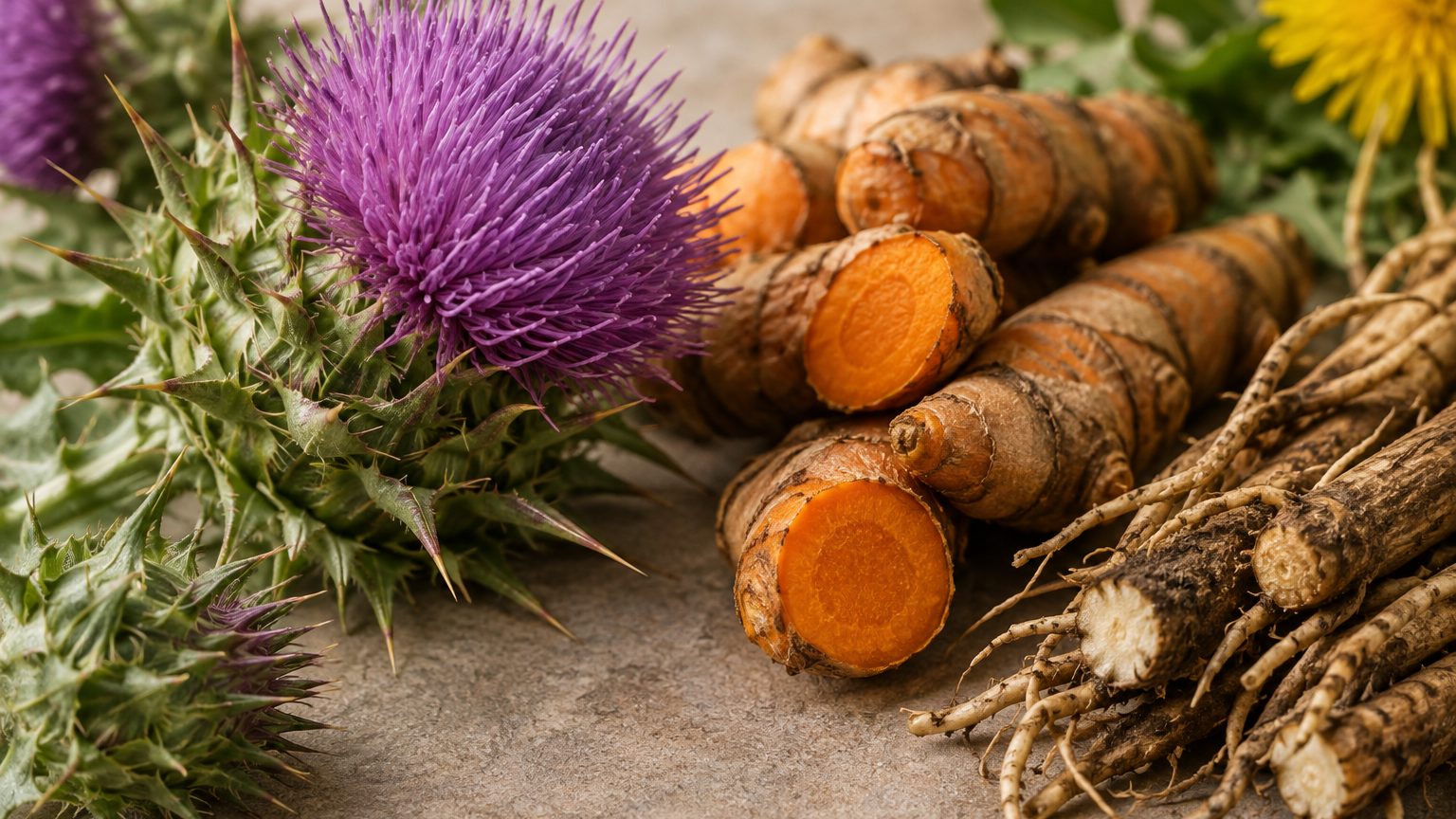
Liver supplements combine herbs, antioxidants, amino acid derivatives, bile compounds and minerals to support normal liver function. The best ones are built around well-researched ingredients such as milk thistle and NAC, disclose every amount, and skip the "detox" hype. Here is what goes into a good formula and how to read the label.
Key Takeaways
- Support, not a cleanse: Your liver clears waste on its own; a good supplement supplies nutrients and plant compounds that support that normal work.
- Two research leaders: Milk thistle and N-acetyl-L-cysteine, usually shortened to NAC, are the most studied liver support ingredients.
- Amounts matter: Look for standardized milk thistle and meaningful NAC amounts, not a long list of trace ingredients.
- Labels reveal quality: Look for standardized extracts, disclosed ingredient amounts and independent testing.
- Habits matter more: Alcohol intake, body weight, nutrition, medication safety and medical care have greater influence than supplements.
What Your Liver Actually Does
Your liver performs hundreds of jobs involving metabolism, hormone processing, nutrient storage, bile production and the removal of waste from your blood. It converts substances into forms your body can use or eliminate. This is an ongoing biological process, not a periodic cleanse that you can start with a capsule or drink.
That is why the phrase "liver detox" is misleading. A liver support supplement may supply nutrients or plant compounds involved in normal liver function, but it does not pull stored toxins from the organ. If liver function is impaired, the answer depends on the cause and requires medical evaluation rather than a commercial cleanse.
Alcohol use, excess body fat, viral infections and certain medications are among the major factors affecting liver health. That is why the most useful liver support formula is one that pairs well-studied ingredients with a healthy routine, rather than one that promises to undo your habits.
When you compare the best supplements for liver health, ask three questions: does each ingredient have credible human research, does the label provide a meaningful amount, and is every amount disclosed? For additional background on liver markers and terminology, see this overview of liver health and supplements.
Milk Thistle And NAC
Milk thistle seed contains silymarin, a group of plant compounds studied for antioxidant activity and for supporting normal liver cell function. It is the most widely researched liver support botanical. Several trials have reported favorable changes in liver enzyme markers, although results vary between studies and study populations.
Standardization matters because studies use extracts with a known silymarin content, commonly in the range of about 140 to 420 mg of silymarin per day. The Liver Support label lists 500 mg of milk thistle seed extract standardized to 80% silymarin, which equals 400 mg of silymarin per two-capsule serving, squarely within that researched range.
NAC is used by the body to make glutathione, an antioxidant involved in normal cellular protection. It also has a separate, established role in hospitals following acetaminophen overdose, which should not be confused with ordinary supplement use or attempted at home.
Because NAC supplies the building block cysteine, it supports the body's own glutathione production, which is central to normal liver antioxidant defenses. Research on NAC commonly uses 600 to 1,200 mg a day, and small trials have reported favorable changes in liver enzyme markers. The label provides 500 mg of NAC per serving, a substantial amount for a combination formula. If you take medication, especially acetaminophen regularly, discuss NAC and your medication use with your doctor rather than trying to manage the combination yourself.
TUDCA And Ox Bile
Tauroursodeoxycholic acid, usually shortened to TUDCA, is a bile acid. Bile helps your body digest and absorb fats. Research on TUDCA has focused largely on specific cholestatic conditions, in which normal bile flow is reduced, along with small studies measuring liver enzymes.
Clinical research on TUDCA has mostly used it as a stand-alone ingredient at higher amounts. In Liver Support, 50 mg of TUDCA works as one part of a broader formula, alongside ox bile, to support normal bile flow and fat digestion.
The formula also contains 50 mg of grass-fed ox bile powder standardized to 45% cholic acid. Ox bile supplies the same kind of bile components your body makes, which help emulsify dietary fats so they can be digested and absorbed.
TUDCA and ox bile may also be inappropriate in some situations involving the gallbladder, bile ducts or digestive system. If you have a diagnosed liver or gallbladder condition, persistent digestive symptoms or take prescription medication, ask your doctor before using either ingredient.
The Supporting Ingredients
Alpha lipoic acid, or ALA, is an antioxidant that works in both water- and fat-based parts of cells and helps recycle other antioxidants. It also participates in normal energy metabolism. The formula provides 100 mg, complementing the NAC and milk thistle.
Choline helps the liver package and export fat, and inadequate intake is linked to fat accumulation there. Most of your choline comes from food such as eggs, fish, poultry and soybeans, with a daily target of 425 mg for adult women and 550 mg for adult men; the formula adds 10 mg as a supporting nutrient.
Zinc and selenium act as cofactors, meaning they help enzymes complete normal chemical reactions, including antioxidant enzymes such as glutathione peroxidase, which depends on selenium. The label supplies 11 mg of zinc as Albion TRAACS bisglycinate, a well-absorbed chelated form, and 100 mcg of selenium as L-selenomethionine. If you take a multivitamin, total the zinc and selenium across both labels.
The formula also provides 25 mg of organic turmeric root extract standardized to 95% curcuminoids and 25 mg of organic dandelion root. Both have a long history in traditional digestive and liver formulas, and they round out the blend alongside its research-led core.
What The Evidence Adds Up To
Research on liver supplements mostly examines laboratory markers in specific groups, not whether generally healthy adults live longer or avoid future liver problems. A change in an enzyme is a marker-level result. It does not automatically mean that the liver has been repaired or that the same result will occur with a different formulation.
Milk thistle and NAC carry the most human research of any liver support ingredients, which is why a well-designed formula builds around them. Supporting ingredients such as TUDCA, ox bile, ALA, zinc and selenium add complementary roles in bile flow, fat digestion and antioxidant defenses.
That is why it pays to compare the label with the research ingredient by ingredient. Research on an ingredient shows what it can support; the label tells you whether the formula actually provides it in a meaningful, disclosed amount.
Liver health supplements may complement a consistent routine, but they are not substitutes for diagnosis, follow-up testing or changes to the factors driving abnormal results. Anyone with abnormal liver enzymes or a known condition should review the evidence with a doctor.
How To Read The Label
Start with the serving size and amounts rather than the front-label language. Liver Support contains two capsules per serving and 30 servings per bottle. Because every ingredient has a disclosed amount, you can compare the formula with research instead of guessing what is hidden in a proprietary blend.
Check these label details before choosing any liver support supplement:
- Look for a standardized percentage, such as the milk thistle extract standardized to 80% silymarin or turmeric standardized to 95% curcuminoids.
- Compare the core amounts with research, starting with silymarin (about 140 to 420 mg a day in studies) and NAC.
- Avoid assuming that more ingredients produce better support.
- Be skeptical of claims that a product cleanses, repairs or removes toxins from your liver.
- Check for independent quality testing and dietary restrictions relevant to you.
Liver Support checks those boxes: every amount is disclosed, the milk thistle is standardized to 80% silymarin, and the formula is third-party tested, gluten free, dairy free, soy free and non-GMO. If you use other supplements, compare labels for duplicate zinc, selenium and herbal extracts. You can also review general vitamin timing guidance, while following the directions on each individual product.
If you choose LiveGood Liver Support, follow its directions by taking two capsules daily with a glass of water. Take them with food because several included ingredients are better absorbed or tolerated that way, and use them earlier in the day if that makes the routine easier to maintain. With 400 mg of silymarin and 500 mg of NAC per serving, it is designed to support normal liver function, at $14.95 for members versus $29.95 retail.
Pair It With Healthy Habits
A liver supplement works best alongside the habits with the strongest evidence for liver health. Limiting alcohol, eating a balanced diet, maintaining a weight appropriate for you and staying physically active all influence metabolic health. If alcohol is a concern, speak honestly with your doctor because the appropriate advice depends on your intake, medications and current liver status.
Build meals around vegetables, fruit, whole grains, legumes, lean proteins and unsaturated fats. Fiber supports regular digestion and can make a balanced eating pattern easier to maintain. This guide explains how much fiber you need each day, including why increases should be gradual.
Sleep and medication safety also matter. Take prescription and over-the-counter medicines only as directed, and avoid combining products that contain the same active ingredient. Acetaminophen deserves particular care because it appears in many pain, cold and flu products.
Beef liver supplements are nutritionally different from botanical liver support formulas. They may provide iron, vitamin A, vitamin B12 and other nutrients from organ tissue, but they do not cleanse your liver. High vitamin A or iron intake can also be unsuitable for some people, so review your combined intake before treating an organ supplement as a general wellness product.
When Medical Advice Comes First
Talk to your doctor before using liver supplements if you have abnormal liver enzymes, a diagnosed liver or gallbladder condition, kidney disease, unexplained symptoms or regular alcohol use. You should also seek guidance if you take prescription medication, are pregnant or breastfeeding, or are considering a product for a child.
Do not use a supplement to investigate symptoms on your own. Yellow skin or eyes, dark urine, pale stool, abdominal swelling, persistent itching, unusual bruising or confusion can require prompt medical attention. General information about liver inflammation and warning signs can help you prepare questions, but it cannot replace evaluation or testing.
Some supplements have been associated with liver injury. Examples include high-dose green tea extract, kava and certain bodybuilding or weight-loss products, especially those containing undisclosed or poorly characterized ingredients. A natural source does not guarantee safety.
That is another reason to choose a transparent, third-party-tested formula with every ingredient and amount on the label. Bring the complete label to your doctor or pharmacist, along with your other supplements, medications and alcohol use, so they can confirm it fits your routine.
Frequently Asked Questions
Are liver supplements good for you?
A well-formulated liver supplement can support normal liver function as part of a healthy routine. Look for researched ingredients such as standardized milk thistle and NAC in disclosed amounts, and avoid products promising to cleanse or detox. If you have abnormal liver tests, use alcohol regularly, take medication or have an existing condition, ask your doctor first.
What are the best supplements for liver health?
Milk thistle and NAC are the most researched liver support ingredients, so the strongest formulas are built around them. Look for milk thistle standardized to around 80% silymarin, a meaningful NAC amount, fully disclosed ingredient amounts and third-party testing, and avoid formulas promising to cleanse, detoxify or repair your liver.
How can I strengthen my liver?
You can support liver health by limiting alcohol, maintaining a suitable weight, staying active and using medications exactly as directed. A balanced diet, adequate fiber and consistent sleep also support overall metabolic health. Supplements are secondary, and anyone with abnormal enzymes or a diagnosed condition should develop a plan with a doctor.
What are seven signs of liver damage?
Possible warning signs include yellow skin or eyes, dark urine, pale stool, abdominal swelling, persistent itching, unusual bruising and confusion. These symptoms are not specific enough to diagnose the cause yourself. Seek prompt medical care if they appear, especially if symptoms are sudden, severe or accompanied by pain, vomiting or extreme tiredness.
Can supplements help the liver heal from damage?
No supplement can be assumed to repair liver damage. The liver may recover in some circumstances once the underlying cause is identified and properly managed, but that depends on the type and extent of injury. Medical evaluation should come first, particularly with abnormal tests, medication concerns, viral infection or ongoing alcohol use.
Should drinkers take liver supplements?
A liver supplement does not cancel the effects of alcohol or make drinking safer. If you drink regularly or are concerned about your intake, discuss it with your doctor before using a supplement. Reducing or avoiding alcohol may matter far more than adding milk thistle, NAC, TUDCA or another liver support ingredient.