
Ryze Mushroom Coffee Review vs LiveGood
 Written by Nauder Khazan
Ask AI about this article and Healthy Organic Weight Management Coffee with Mushrooms





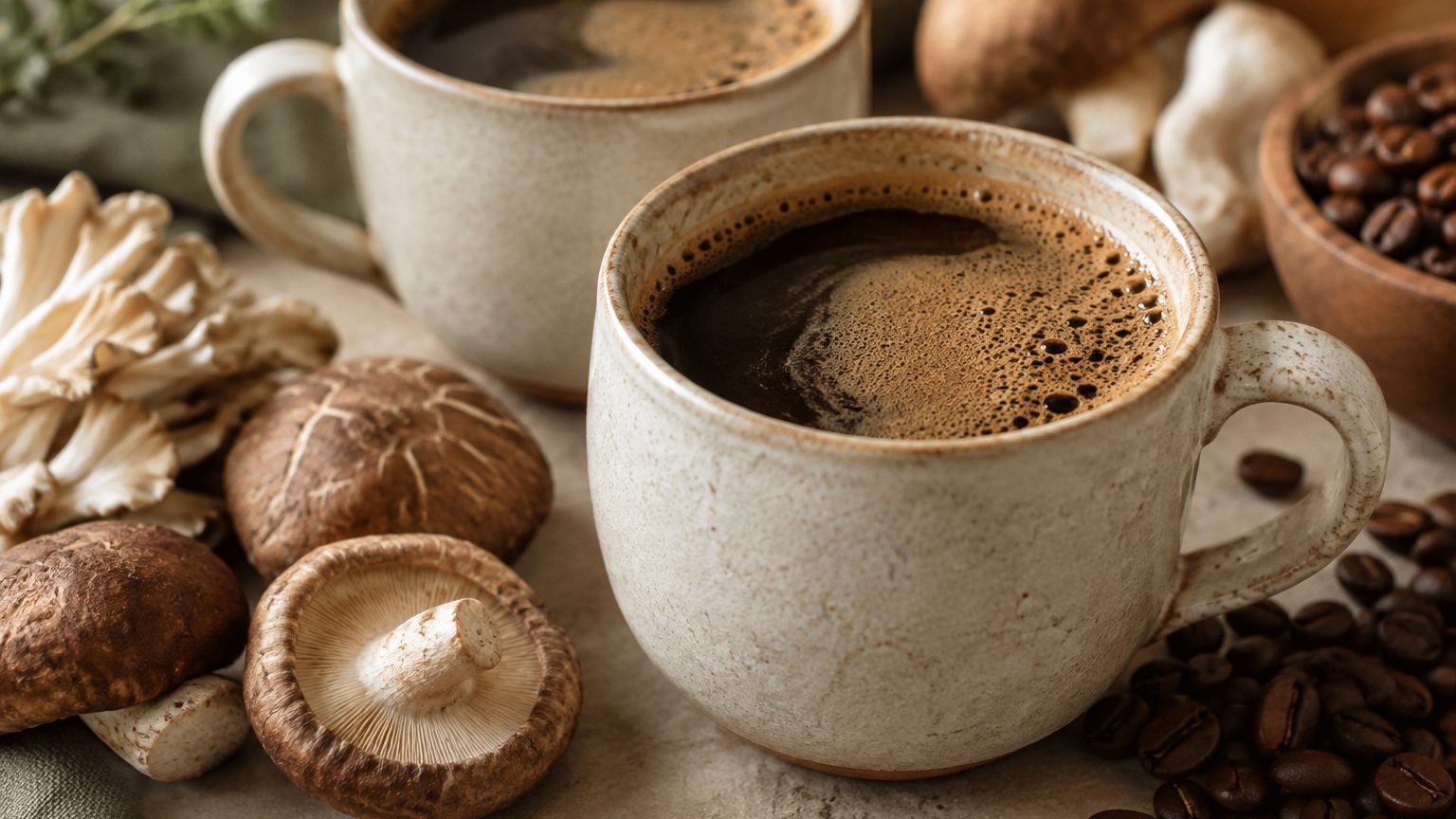
This Ryze mushroom coffee review finds that Ryze offers medium and dark roast options, while LiveGood provides more specific label details about caffeine, mushroom blend quantity and added ingredients. The better choice depends on whether you prioritize roast selection, transparent amounts, certifications or member pricing.
Key Takeaways
- Label transparency: LiveGood lists a 1,000 mg mushroom blend and about 100 mg of caffeine, while Ryze's product page does not show per-mushroom amounts or caffeine milligrams.
- Price difference: LiveGood costs about $0.67 per serving for members or $1.17 at retail, while Ryze lists at $1.20 per serving before variable sale pricing.
- Different formats: Ryze offers medium and dark roast choices, while LiveGood adds maca, green coffee extract, green tea extract and fiber.
- Taste is personal: Roast, flavoring, gums and preparation affect the cup, so neither label can tell you which product you will prefer.
- No quick fix: Mushroom coffee can support a daily routine, but the label alone cannot establish weight, focus or wellness outcomes for an individual.
How We Compared Them
This is a label-based Ryze mushroom coffee review, not a first-person taste test. We compared the companies' product information available on October 27, 2026, focusing on serving count, listed price, caffeine disclosure, mushroom quantities, additional ingredients and certifications.
That distinction matters because reviews often mix personal impressions with measurable facts. Statements such as "I felt more focused" may be sincere, but they do not establish what another person will experience. Flavor reports are also highly subjective, particularly for products prepared with different amounts of water, milk or sweetener.
Ryze sells a 30-serving bag listed at $36, although sale pricing can vary. Its product page offers medium and dark roast versions, describes the coffee as "loaded with adaptogenic mushrooms" that "support everyday energy, focus and immune health," and says it contains about half the caffeine of regular coffee. These are Ryze's descriptions, not independent findings, and the page does not provide caffeine milligrams or per-mushroom quantities.
LiveGood's label provides a serving weight, full ingredient quantities for its main blend components and an approximate caffeine amount. That makes a side-by-side comparison far easier than with a label that gives no quantities.
If you are new to this category, read what mushroom coffee is and what it contains before comparing brand claims. You can also use the criteria in our best mushroom coffee buying guide to assess extraction details, testing and serving information.
Ingredients Side by Side
One scoop of LiveGood Organic Coffee weighs 5.789 grams and provides 5 calories, 1 gram of carbohydrate and 2 grams of dietary fiber. Its active ingredient list contains 2,500 mg of organic Mexican spray-dried coffee, a 1,000 mg Peak O2 proprietary mushroom blend, 100 mg of organic maca, 60 mg of PurCaf organic green coffee extract and 60 mg of organic green tea extract standardized to 50% polyphenols.
The Peak O2 blend contains cordyceps militaris, reishi, king trumpet, shiitake, lion's mane and turkey tail cultured on organic whole oats. Because it is a proprietary blend, the label does not disclose how the 1,000 mg is divided among the six mushrooms. It also does not state an extraction ratio or a measured beta-glucan amount. Beta-glucans are naturally occurring fibers found in mushrooms, but simply listing mushroom weight does not reveal how much beta-glucan a serving provides.
Other LiveGood ingredients are organic acacia fiber, organic flavoring and organic guar gum. Acacia fiber and guar gum can contribute body and texture in an instant beverage.
The available Ryze product page confirms a mushroom coffee sold in medium and dark roast versions, but it does not show per-mushroom quantities. That page also does not establish Ryze's complete species list, extraction details or exact caffeine content, so those details should not be guessed. Check Ryze's current package label before buying if a particular mushroom, allergen or processing method matters to you.
| Label point | LiveGood | Ryze |
|---|---|---|
| Servings reviewed | 30 | 30 |
| Mushroom quantity | 1,000 mg proprietary blend | Per-mushroom amounts not shown on the reviewed page |
| Caffeine disclosure | About 100 mg per scoop | About half of regular coffee, no milligrams stated |
| Roast choices reviewed | Not specified | Medium and dark |
| Added ingredients disclosed | Maca, green coffee extract, green tea extract and fiber | Check Ryze's current label |
Four Sigmatic also appears on LiveGood's comparison chart, but it is left out of the table because a current label and price for a named product were not reviewed here.
Caffeine and Taste
LiveGood states that one scoop contains approximately 100 mg of caffeine. That is a useful number if you monitor total caffeine from coffee, tea, energy drinks, pre-workout products and other sources. LiveGood recommends avoiding caffeine within eight hours of bedtime.
Ryze says its mushroom coffee contains about half the caffeine of regular coffee, but that comparison does not give you an exact milligram amount. A regular cup can vary considerably by bean, serving size and brewing method. If you need a precise number because you are sensitive to caffeine, check Ryze's current label or ask the company rather than converting the claim into an estimate.
Caffeine can support alertness, but more is not always better. Too much may leave some people feeling restless, shaky or uncomfortable, and sensitivity varies. If you are pregnant or breastfeeding, take prescription medication, have an existing medical condition, or have kidney or liver concerns, ask your doctor whether a caffeinated mushroom beverage fits your routine.
Taste cannot be settled by an ingredient table. Ryze gives you medium and dark roast choices, which may help if you already know your roast preference. LiveGood uses organic flavoring, acacia fiber and guar gum, ingredients that may affect flavor and mouthfeel, but the label does not predict whether you will enjoy the cup.
For either product, water volume and temperature matter. Adding milk or sweetener can change the experience further, so online comments about a product being creamy, weak, earthy or bitter may not match how you prepare it.
Price Per Cup
LiveGood Organic Coffee contains 30 servings. At the $19.95 member price, the arithmetic is $19.95 divided by 30, or approximately $0.67 per serving. At the $34.95 retail price, it costs about $1.17 per serving.
Ryze is listed at $36 for 30 servings. Dividing $36 by 30 gives a list price of $1.20 per serving. Ryze sale pricing varies, so the actual checkout price may be lower at a given time. Shipping, taxes, subscriptions and any membership-related costs are not included in these per-serving calculations.
| Product and price | Servings | Approximate price per serving |
|---|---|---|
| LiveGood member price, $19.95 | 30 | $0.67 |
| LiveGood retail price, $34.95 | 30 | $1.17 |
| Ryze list price, $36 | 30 | $1.20 |
At the stated prices, LiveGood retail is only about three cents less per serving than Ryze's list price. The larger difference appears at LiveGood's member price, which is about 53 cents less per serving than Ryze's $1.20 list price. That comparison does not account for changing promotions or the broader cost of obtaining member pricing.
Price per scoop also does not measure ingredient value by itself. A useful mushroom coffee comparison should consider what the label discloses, caffeine level, preparation, certifications, taste preference and whether you will consistently use the product.
If you prefer a coffee with a stated caffeine amount and a clearly listed mushroom blend total, LiveGood Organic Coffee provides 30 servings and about 100 mg of caffeine per scoop. Mix one scoop in hot or cold water, preferably in the morning, and avoid caffeine within eight hours of bedtime. Whether you choose this or another blend, follow the label, track your total daily caffeine, and use it to support a consistent routine.
Extras and Certifications
LiveGood's formula includes ingredients beyond coffee and mushrooms. Organic maca is present at 100 mg per serving. Maca is a root traditionally used as a food and botanical ingredient, but the label amount should not be treated as proof of a particular result.
The formula also includes 60 mg of PurCaf organic green coffee extract and 60 mg of organic green tea extract standardized to 50% polyphenols. Polyphenols are naturally occurring plant compounds. At that standardization, the green tea extract supplies 30 mg of polyphenols by calculation, although the label does not break out specific polyphenols such as epigallocatechin gallate, commonly shortened to EGCG.
Organic acacia fiber and organic guar gum contribute to the formula, and the Nutrition Facts panel lists 2 grams of dietary fiber per scoop. Fiber can help support normal digestive function, but your overall intake from food and beverages matters more than a single serving. Increase dietary fiber thoughtfully if you are not accustomed to it, since tolerance differs.
LiveGood lists the coffee as USDA Organic, Cruelty Free, Gluten Free, GMP Certified, Keto Friendly, Non GMO, Nut Free, Soy Free, Third Party Tested and Vegan. GMP means Good Manufacturing Practices, standards used to support consistent manufacturing and quality controls. Third-party testing indicates that an outside party performs testing, but the phrase alone does not tell you which compounds were tested or provide the results.
Equivalent certifications were not provided for Ryze in the source material used here. That is not evidence that Ryze lacks them. It means you should check Ryze's current label and certification details if organic status, allergens, vegan suitability or independent testing affects your decision.
Which Coffee Should You Choose?
Ryze may be the better fit if choosing between medium and dark roast is a priority or if you prefer its current format and flavor. Its $36 list price works out to $1.20 per serving, but promotions can change the comparison. Before ordering, check the current Ryze label for its complete ingredient list, caffeine details, allergens and mushroom disclosures.
LiveGood may be the better fit if you want a stated 1,000 mg mushroom blend total, a disclosed caffeine estimate and added maca, green coffee extract, green tea extract and fiber. It also has an extensive list of stated certifications. Its member price is substantially lower per serving than Ryze's list price, while its $34.95 retail price is close to Ryze's $36 list price.
On disclosure, LiveGood goes further: it names all six species, states a full 1,000 mg mushroom blend and gives an approximate caffeine amount, while Ryze's reviewed product page shows neither mushroom quantities nor caffeine milligrams.
So, is Ryze mushroom coffee good? It can be a reasonable coffee alternative for someone who likes the available roast, tolerates the ingredients and finds the current price worthwhile. The evidence available here does not justify calling it universally good or bad, and company claims cannot predict your personal response.
Choose based on the label and your routine rather than promises of immediate transformation. Follow serving directions, account for all caffeine sources and give yourself time to assess taste and tolerance. Supplements and functional beverages can support consistent habits, but they do not replace balanced food, adequate sleep and appropriate medical care.
Frequently Asked Questions
Is RYZE mushroom coffee good or bad for you?
RYZE mushroom coffee is not inherently good or bad for every adult. Its suitability depends on your caffeine sensitivity, ingredient tolerance, diet and existing medical considerations. Ryze says it contains about half the caffeine of regular coffee, but the reviewed page does not state milligrams. Check the current label, and ask your doctor if you take prescriptions or have an existing condition.
What are the RYZE mushroom coffee ingredients?
Ryze's product page describes coffee with adaptogenic mushrooms but does not provide enough verified information here to reproduce its complete current ingredient list. It also does not show per-mushroom amounts. Check Ryze's package label for the species, other ingredients, allergen information and processing details rather than relying on an incomplete online summary.
How much caffeine is in RYZE mushroom coffee?
Ryze states that its mushroom coffee has about half the caffeine of regular coffee, but its reviewed product page does not give a milligram amount. Because regular coffee varies widely, that phrase cannot be converted reliably into an exact dose. Check Ryze's current package or contact the company if you need a specific number.
How does RYZE compare with LiveGood Organic Coffee?
LiveGood discloses more specific quantities in the facts reviewed here. It lists about 100 mg of caffeine, 2,500 mg of organic coffee and a 1,000 mg six-mushroom blend per scoop. Ryze offers medium and dark roast and lists at $36 for 30 servings, but its reviewed page does not provide caffeine milligrams or per-mushroom amounts.
Can mushroom coffee support weight management?
Mushroom coffee can fit into a weight management routine, but it does not guarantee weight loss. A low-calorie beverage may replace a higher-calorie drink, depending on what you add and how the rest of your diet looks. Research on individual ingredients should not be treated as evidence that a finished coffee will produce a specific change in weight.
What side effects can mushroom coffee cause?
Mushroom coffee may cause caffeine-related restlessness, shakiness or digestive discomfort in some people, while added fibers and botanical ingredients can also affect tolerance. Responses vary by serving size and total daily intake. Stop using a product if it does not agree with you, and consult your doctor about prescriptions, pregnancy, breastfeeding, medical conditions, or kidney or liver concerns.