
Best Mushroom Coffee: How to Choose
 Written by Ben Glinsky
Ask AI about this article and Healthy Organic Weight Management Coffee with Mushrooms





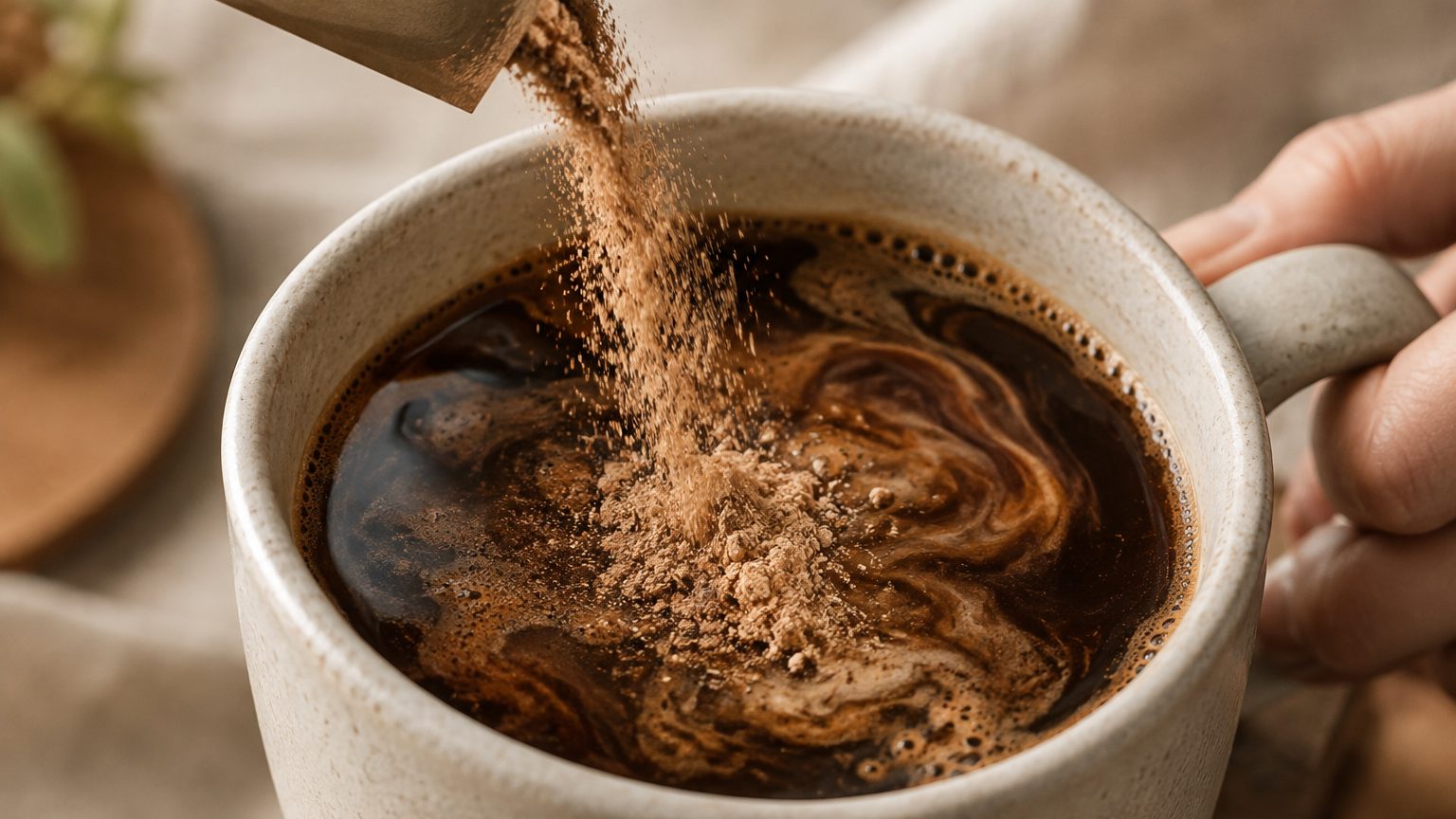
The best mushroom coffee is the one that clearly discloses its mushrooms, caffeine, added ingredients, testing, and true price per cup. Instead of trusting a ranked list, use the label to decide whether an instant, ground, or pod formula fits your goals and daily routine.
Key Takeaways
- Start with goals: Decide whether you care most about caffeine, ingredient transparency, convenience, taste, or price.
- Read beyond species: Check the mushroom source, total amount, and whether a proprietary blend hides per-species quantities.
- Confirm caffeine: Mushroom coffee is not automatically low in caffeine, so look for milligrams per serving.
- Compare full formulas: Fiber, extracts, creamers, flavors, and sweeteners can matter as much as the mushrooms.
- Calculate each cup: Divide the package price by the number of servings instead of comparing container prices.
Define Best For Your Goal
The best mushroom coffee is not necessarily the product with the longest species list. It is the one whose label, format, caffeine content, taste, and price match what you expect from your daily cup.
If you want less caffeine, start with the stated milligrams per serving. Adding mushrooms does not automatically reduce caffeine. A mushroom coffee can contain nearly as much caffeine as a regular cup, while another may use less coffee or rely partly on tea extracts. Serving size also matters, especially if you use more than the labeled amount.
For focus, do not choose solely because the front of the package says lion's mane coffee. Human research on lion's mane is still developing and uses specific preparations. A common name on a package does not tell you how much is present, whether it is an extract, or whether that preparation matches one studied in research.
A cleaner coffee is also a personal standard rather than a regulated category. You may prioritize organic ingredients, a short ingredient list, no sweeteners, or documented third-party testing. Check the actual certifications and label instead of relying on broad front-panel wording.
Finally, decide what convenience is worth. Instant powder travels easily and needs no equipment. Ground coffee may provide a more familiar brewing experience, while pods offer consistency but usually create more packaging waste. The most useful mushroom coffee comparison begins with these practical priorities, not a universal brand ranking. For background on how these products are formulated, see what mushroom coffee is and contains.
Compare Seven Label Details
Use the following seven checks to compare mushroom coffee brands on information that can actually affect your purchase.
-
Species identity: Look for named species and, ideally, Latin names such as Hericium erinaceus for lion's mane. Latin names reduce ambiguity because common names can vary.
-
Fungal material: The fruiting body is the mushroom structure you would recognize, while mycelium is the threadlike fungal network. Mycelium grown on grain may include residual grain. Neither source is automatically superior, but the label should tell you what was used.
-
Amount per serving: Find the total mushroom quantity and determine whether each species has its own amount. A proprietary blend gives the combined weight while withholding the quantity of each component. More milligrams also do not automatically mean a better extract.
-
Caffeine per cup: Look for a specific number rather than terms such as smooth energy. Mushroom coffee caffeine content can come from coffee, green coffee extract, tea extract, or a combination. If you use two servings, your caffeine intake doubles.
-
Additional ingredients: Check for maca, tea extracts, fiber, flavors, creamers, sugar, and non-sugar sweeteners. These additions can change taste, texture, caffeine, and digestive tolerance. If a formula includes tea-derived compounds, this overview of L-theanine and caffeine explains why the complete formula matters.
-
Verification: Organic certification addresses agricultural standards, while third-party testing provides a separate layer of product verification. One does not automatically establish the other, so look for the exact claims a brand makes.
-
Price per cup: Divide the price you will actually pay by labeled servings. Also check whether one serving produces the strength you expect, since using extra powder raises the real cost.
Choose the Right Format
Instant mushroom coffee dissolves directly in hot or cold water. It is the simplest choice for travel, offices, or mornings when you do not want brewing equipment. Because water is removed during production, instant coffee also makes it easy for a manufacturer to combine coffee with powdered mushroom ingredients, extracts, fiber, and flavors.
Ground mushroom coffee works more like conventional coffee. Depending on the grind and directions, you may use a drip machine, pour-over setup, or French press. It can provide a more familiar aroma and body, but the mushroom ingredients must remain evenly distributed in the grounds. Follow the package directions rather than assuming your usual coffee-to-water ratio applies.
Pods prioritize speed and portion consistency. Their drawbacks include machine compatibility, packaging waste, and less flexibility to adjust serving strength. You should still inspect the box for mushroom amounts and caffeine because a pod format does not guarantee either is disclosed.
Format can also affect the comparison price. A jar of instant mushroom coffee may appear expensive but provide 30 measured servings. A bag of grounds may list a larger weight while producing fewer cups at your preferred strength. Compare labeled servings first, then consider whether you are likely to use more than one serving.
None of these formats is inherently the best. Choose instant for portability, grounds for a traditional brewing ritual, or pods for repeatable convenience. Ingredient transparency remains more important than the delivery format.
Make the Taste Work
Mushroom coffee generally tastes more like coffee than like culinary mushrooms, but the exact flavor depends on the coffee, mushroom material, extracts, and added flavors. Some blends taste earthy or slightly bitter. Fiber and gums can produce a fuller body or leave sediment if the powder is not mixed thoroughly.
Start by preparing the labeled serving exactly as directed. For an instant product, dissolve it completely and adjust the water temperature or amount only after you know its baseline strength. Hot water emphasizes aroma and bitterness, while cold water can make some blends taste milder. A handheld frother can help disperse powders that otherwise clump.
If you add milk or creamer, account for its sugar, fat, flavors, and sweeteners when comparing your finished drink. This guide to choosing a healthy coffee creamer explains what to check. Cinnamon or a small amount of cocoa can complement earthy notes, but additions should not be used to hide a stale or unpleasant product.
Taste reviews have limits. Preparation method, water quantity, temperature, and personal preference can change the experience substantially. Reviews are most useful when they describe roast level, sweetness, bitterness, texture, and aftertaste. A claim that a product simply tastes best gives you little transferable information.
Read LiveGood's Label
LiveGood Organic Coffee is an instant formula with a labeled serving of one 5.789-gram scoop and 30 servings per container. Each scoop provides 5 calories, 1 gram of carbohydrate, and 2 grams of dietary fiber.
The formula contains 2,500 milligrams of organic Mexican spray-dried coffee. Its 1,000-milligram Peak O2 proprietary mushroom blend contains cordyceps militaris, reishi, king trumpet, shiitake, lion's mane, and turkey tail cultured on organic whole oats. The label names all six mushrooms and gives the total blend weight, a full gram of mushrooms per cup, alongside a stated caffeine amount.
It also contains 100 milligrams of organic maca, 60 milligrams of PurCaf organic green coffee extract, and 60 milligrams of organic green tea extract standardized to 50% polyphenols. Other ingredients are organic acacia fiber, organic flavoring, and organic guar gum. These details make clear that this is more than coffee mixed with mushrooms, which matters if you want a minimal formula.
The product is USDA Organic and carries a Third Party Tested claim. It is also listed as Cruelty Free, Gluten Free, Keto Friendly, Non GMO, Nut Free, Soy Free, and Vegan. LiveGood states that one scoop contains approximately 100 milligrams of caffeine, so it is not a caffeine-free coffee alternative.
At $19.95 for members, 30 servings cost about $0.67 per cup. The $34.95 retail price works out to about $1.17 per labeled serving. That difference shows why you should calculate cost using the price available to you rather than the lowest advertised price.
If the label fits your priorities, LiveGood Organic Coffee offers an instant, USDA Organic option with coffee, a six-mushroom blend, maca, green coffee extract, green tea extract, and fiber. Mix one scoop in hot or cold water, preferably in the morning, and keep it at least eight hours from bedtime because it provides about 100 milligrams of caffeine. Use it as part of a consistent routine, not as a substitute for sleep, food, or hydration.
Know When to Skip It
Mushroom coffee is not appropriate for everyone. Avoid a formula containing a mushroom or other ingredient to which you have a known allergy. A multi-ingredient blend may also make it harder to identify the cause if you react poorly to a new product.
Caffeine sensitivity is another practical concern. Feeling jittery, restless, nauseated, or unusually alert can reflect the caffeine amount, especially if you also consume tea, energy drinks, pre-workout products, or regular coffee. Check your total daily intake rather than evaluating one drink in isolation. LiveGood recommends avoiding its approximately 100-milligram serving within eight hours of bedtime.
Talk with your doctor before using mushroom coffee if you take prescription medications, including blood thinners, or have an existing medical condition. The same advice applies if you have kidney or liver conditions. A clinician can review the entire formula, since coffee, mushrooms, green tea extract, maca, fiber, and other ingredients may each affect whether a product fits your situation.
If you are pregnant or breastfeeding, ask your doctor before using a multi-ingredient mushroom coffee. Children should only use caffeinated products or mushroom supplements under the guidance of a qualified pediatric clinician. Follow the label serving directions rather than increasing the amount based on another person's experience.
Stop using a product and seek appropriate medical care if you develop a serious or persistent reaction. A buying guide can help you compare labels, but it cannot determine whether a particular formula is suitable for your health history.
Frequently Asked Questions
What should I look for in the best mushroom coffee?
Look for named mushroom species, the type of fungal material used, quantities per serving, caffeine content, added ingredients, relevant certifications, and price per cup. A transparent label is more useful than a long species list. Also choose a format and flavor profile you can realistically prepare and enjoy consistently.
How much caffeine is in mushroom coffee?
Caffeine content varies by formula and serving size. Mushroom coffee is not automatically low in caffeine because it may contain coffee, green coffee extract, tea extract, or several caffeine sources. Check the stated milligrams per serving and include other caffeinated drinks when estimating your daily intake.
What does mushroom coffee taste like?
Mushroom coffee usually tastes primarily like coffee, although some formulas have earthy, bitter, or roasted notes. Instant blends may also have a thicker texture because of fiber or gums. Roast level, flavoring, sweeteners, water temperature, and preparation method can all influence the finished taste.
Why do I feel weird after drinking mushroom coffee?
Caffeine, fiber, sweeteners, extracts, or mushroom ingredients could contribute to an unfamiliar reaction. Check the serving size and your total caffeine intake, and stop using the product if symptoms persist. Seek medical care for a serious reaction, and consult your doctor if you take prescriptions or have an existing medical condition.
What does the Mayo Clinic say about mushroom coffee?
There is no single Mayo Clinic verdict establishing mushroom coffee as better than regular coffee. Broad wellness claims should be treated cautiously because formulas differ and research on individual mushroom preparations does not automatically apply to finished coffee blends. Use the ingredient panel, caffeine disclosure, and advice from your clinician to make a personal decision.
Are fruiting body mushrooms better than mycelium?
Fruiting bodies are not automatically better than mycelium in every formula. They are different fungal materials, and quality also depends on identity, growing method, extraction, amount, and testing. Mycelium cultured on grain may include residual grain, so a transparent label should identify the material and growing substrate rather than leaving you to guess.