
Organic Instant Coffee: What to Look For
 Written by Nauder Khazan
Ask AI about this article and Healthy Organic Weight Management Coffee with Mushrooms





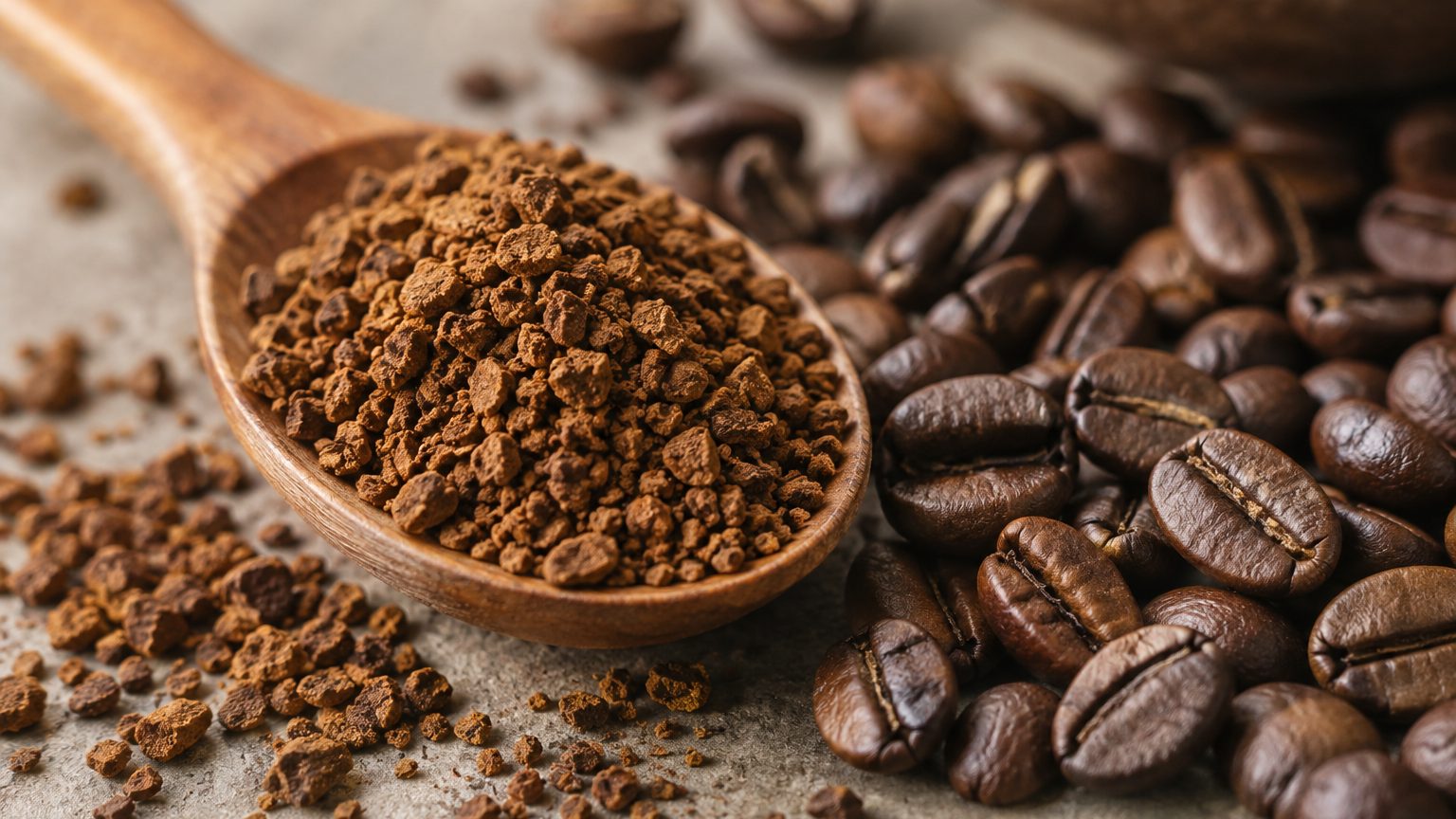
The best organic instant coffee has a verified organic seal, a transparent ingredient list, useful caffeine information and a flavor profile you enjoy. Drying method, additives and price per cup also matter. If you are considering a functional blend, check the amount of coffee and whether added ingredients disclose meaningful quantities.
Key Takeaways
- Check certification: A USDA Organic seal addresses growing and processing standards, but it does not guarantee better flavor or less caffeine.
- Compare the formula: Determine whether you are buying 100 percent coffee or a blend containing mushrooms, extracts, fiber or flavoring.
- Review caffeine: Plain instant coffee often provides about 60 to 80 mg per cup, although products and serving sizes vary.
- Understand drying: Freeze drying generally preserves more aroma, while spray drying offers an efficient way to create a readily soluble powder.
- Consider acrylamide: Instant coffee contains more acrylamide per gram than ground coffee, but coffee usually contributes a relatively small share of total dietary exposure.
- Calculate value: Divide the package price by its number of servings rather than comparing package prices alone.
How Instant Coffee Is Made
Instant coffee is brewed coffee from which nearly all the water has been removed. Manufacturers roast and grind coffee beans, brew them at scale and concentrate the resulting liquid. They then dry that concentrate into granules or powder that dissolves when you add water.
This means instant coffee is not simply finely ground coffee beans. Grounds remain insoluble and require filtration, while instant coffee has already been brewed. That distinction explains why it dissolves quickly in hot or cold water.
The two main production methods are spray drying and freeze drying. In spray drying, a concentrated coffee liquid is sprayed as tiny droplets into a stream of hot air. The water evaporates rapidly, leaving a fine, soluble powder. Spray drying is efficient and often produces a consistent product, but some volatile aroma compounds can be lost during exposure to heat.
Freeze drying begins by freezing concentrated coffee. The frozen material is broken into pieces and placed under a vacuum, allowing the ice to change directly into vapor. This process generally retains more of coffee's aroma and often creates larger granules, but it is slower and can cost more.
The freeze dried vs spray dried coffee decision is therefore mostly about aroma, texture, manufacturing cost and personal preference. Freeze dried is not automatically healthier, and spray dried is not automatically poor quality. Bean quality, roast, storage and the full ingredient list can matter just as much as the drying method.
Is Instant Coffee Bad for You?
Instant coffee is not inherently bad for you, but its caffeine, acrylamide content and added ingredients deserve attention. Plain instant coffee still contains naturally occurring coffee compounds, including polyphenols, which are plant compounds with antioxidant activity. Processing changes their amounts, so instant and traditionally brewed coffee are not chemically identical.
A typical cup of plain instant coffee contains roughly 60 to 80 mg of caffeine, compared with about 80 to 100 mg in a typical cup of brewed coffee. Those figures are broad estimates. Bean type, serving size and product formulation can move the actual amount well outside those ranges.
Caffeine can support alertness and focus, but more is not always better. Too much may cause restlessness, a racing sensation, digestive discomfort or disrupted sleep in sensitive people. Count caffeine from coffee, tea, energy drinks and supplements together. If you take prescriptions, are pregnant or breastfeeding, or have an existing medical condition, ask your doctor how caffeine fits your situation. You can also compare natural caffeine alternatives or read why some formulas combine L-theanine and caffeine.
Acrylamide is a compound that forms naturally during high-temperature cooking, including coffee roasting. Research measurements commonly find that instant coffee has about twice as much acrylamide per gram as ground roasted coffee. However, serving amounts differ, and coffee generally represents a relatively small share of total dietary acrylamide exposure. Organic certification does not remove acrylamide because it forms during roasting rather than coming from conventional agricultural chemicals.
A healthy instant coffee choice is therefore less about finding a supposedly perfect powder and more about moderating caffeine, reading the formula and considering your whole diet.
What Organic Certification Means
Organic certification describes how agricultural ingredients are grown, handled and processed. In the United States, the USDA National Organic Program establishes the rules behind the USDA Organic seal and requires certification by an accredited organization.
For a product labeled "organic," at least 95 percent of its eligible ingredients must be certified organic, excluding water and salt. The remaining ingredients must meet applicable USDA requirements. A product labeled "100 percent organic" follows a stricter composition standard. Individual organic ingredients may also be identified in an ingredient list even if the complete product does not qualify for the seal.
Organic standards restrict the use of most synthetic pesticides and fertilizers and prohibit genetically modified organisms in certified production. They also include recordkeeping, separation and processing requirements. Certification does not mean that no pesticide substances were used, nor does it guarantee zero residues.
The seal also does not tell you whether coffee is low acid, high in antioxidants, low in caffeine or superior in flavor. Organic beans can be light or dark roasted, and the finished coffee can be spray dried or freeze dried. Caffeine remains naturally present unless the coffee has been decaffeinated.
Origin can add useful context, but country names alone are not quality grades. Climate, altitude, coffee variety, harvest practices, roast and processing all affect the cup. For blends, check whether the company identifies the coffee's source and distinguishes coffee from added extracts or flavors.
Organic is therefore a meaningful production standard, not a complete health or quality score. Use it as one part of your buying decision rather than treating it as proof that one coffee is best for everyone.
Use This Label Checklist
A clear label helps you compare organic instant coffee without relying on front-of-package language. Work through these details before deciding which product offers the right combination of simplicity, function and value.
-
Coffee or blend: Confirm whether the product is 100 percent instant coffee or a blend. Functional coffees may include mushrooms, tea extracts, maca, fiber, sweeteners, creamers or flavors. These ingredients change the taste, caffeine content and amount of actual coffee in each serving.
-
Certified organic status: Look for the USDA Organic seal or another certification relevant to where you live. Do not assume that words such as "natural," "clean" or "made with organic ingredients" mean the whole product is certified organic.
-
Coffee origin: A named country or region can help you understand sourcing, although it does not guarantee quality. If origin matters to you, check whether the statement applies to the coffee itself or only to selected ingredients.
-
Drying method: Freeze dried products may retain more aroma, while spray dried products tend to dissolve easily and can be more economical. If the label does not disclose the method, contact the manufacturer rather than assuming from the powder's appearance.
-
Additives: Review sweeteners, creamers, flavors, gums and fibers. These are not automatically undesirable, but you should know why they are present. If you customize plain coffee, a separate healthy coffee creamer guide can help you compare options.
-
Caffeine per serving: Look for a stated amount and verify the serving size. A scoop that contains coffee plus green coffee or tea extract may provide more caffeine than ordinary instant coffee.
-
Price per cup: Divide the price by the labeled servings. Also consider how closely your actual scoop matches the label serving, since using extra powder increases both cost and caffeine.
-
Freshness and storage: Choose packaging that closes securely. Heat, humidity and repeated air exposure can weaken aroma and cause powder to clump, even though the coffee still dissolves.
Understanding Functional Coffee Blends
Functional instant coffees combine coffee with ingredients intended to support a particular daily routine. Common additions include mushroom ingredients, maca, green tea extract, green coffee extract and soluble fibers. These products should be evaluated as complete blends, not as plain instant coffee with a decorative ingredient on the label.
Start by checking whether quantities are disclosed. A proprietary blend may state the total weight while withholding the amount of each component. That leaves you without a way to know how much of any individual mushroom or botanical the serving supplies. It does not automatically make the product unsuitable, but it limits direct comparisons with ingredient research.
LiveGood Organic Coffee provides 5 calories, 1 g carbohydrate and 2 g dietary fiber per 5.789 g scoop. Its formula lists 2,500 mg of organic Mexican spray-dried coffee, a 1,000 mg Peak O2 proprietary mushroom blend, 100 mg organic maca, 60 mg PurCaf organic green coffee extract and 60 mg organic green tea extract standardized to 50 percent polyphenols. Other ingredients are organic acacia fiber, organic flavoring and organic guar gum.
The mushroom blend contains cordyceps militaris, reishi, king trumpet, shiitake, lion's mane and turkey tail cultured on organic whole oats. That gives you a full gram of mushrooms from six named species in every cup, along with maca, green coffee extract and green tea extract. For a closer explanation of these additions, see what is in mushroom coffee.
The product is USDA Organic and third-party tested. It contains approximately 100 mg of caffeine per scoop, which is higher than the broad 60 to 80 mg estimate for many plain instant coffees. The package contains 30 servings and costs $19.95 for members or $34.95 retail, approximately $0.67 or $1.17 per labeled serving.
For an organic functional blend, Organic Coffee can support a convenient morning routine. Mix one labeled scoop into hot or cold water, and adjust the water rather than adding extra powder if you want a milder cup. Because each scoop contains approximately 100 mg of caffeine, take it earlier in the day and avoid caffeine within eight hours of bedtime. Follow the label directions and include its caffeine in your daily total.
Make Instant Coffee Taste Better
Good preparation can improve organic instant coffee without increasing the serving size. Start with the label's recommended amount, then change the amount of water to suit your preferred strength. Adding more powder also adds more caffeine and any included extracts, so water is the better first adjustment.
Very hot water can emphasize bitterness and reduce delicate aroma. Let freshly boiled water rest briefly before pouring, especially with darker or strongly roasted coffee. You do not need a thermometer, but water just below a full boil is a practical starting point. Stir thoroughly so that coffee, fiber and other powdered ingredients disperse evenly.
For a smoother cup, dissolve the powder in a small amount of warm water first. Add the remaining hot water after it forms a uniform concentrate. This method can reduce dry pockets in blends containing gums, mushroom powders or soluble fiber.
You can also prepare instant coffee cold. Mix the powder with a small splash of room-temperature water, stir until dissolved and then add cold water and ice. This is cold-prepared instant coffee, not traditional cold brew, which requires ground coffee to steep for several hours. The distinction matters because instant coffee is already brewed before drying.
Milk or an unsweetened plant beverage can soften bitterness, while cinnamon or a small amount of cocoa can change the flavor without requiring another scoop. If the product contains flavoring or functional ingredients, taste it plain first so you know what actually needs adjusting.
Finally, close the package tightly and store it in a cool, dry place. Do not place a wet scoop inside the container. Moisture encourages clumping and can dull the aroma long before you finish all the servings.
Frequently Asked Questions
What is the best organic instant coffee?
The best organic instant coffee is the one that fits your preferred flavor, caffeine level, ingredients and budget while carrying a credible organic certification. Look beyond brand rankings and compare the drying method, coffee origin, serving size, additives and price per cup. For functional blends, favor clear quantities and check whether any proprietary blend limits ingredient-level comparisons.
Can you get organic instant coffee?
Yes, certified organic instant coffee is widely available in both plain and functional formulas. It can be freeze dried or spray dried because organic status concerns approved growing, handling and processing standards, not one required drying method. Check for the USDA Organic seal in the United States rather than relying only on words such as natural or clean.
Is organic coffee actually better for you?
Organic coffee is not automatically more nutritious or lower in caffeine than conventional coffee. Certification provides useful information about agricultural and processing practices, including restrictions on most synthetic pesticides and genetically modified organisms. It does not guarantee better flavor, lower acidity, fewer calories or a specific antioxidant level, so you should still evaluate the complete label.
What does CCOF mean?
CCOF stands for California Certified Organic Farmers. It is an organization that provides organic certification and related services, and it is accredited to certify operations under USDA organic standards. A CCOF certification mark identifies the certifying organization, while the USDA Organic seal communicates that the product meets the applicable federal organic requirements.
How much caffeine is in instant coffee?
Plain instant coffee commonly contains about 60 to 80 mg of caffeine per cup, but the actual amount varies by product and serving size. Functional blends may also contain green coffee or tea extracts that increase the total. Check the label whenever possible, count other daily caffeine sources and follow your doctor's guidance if you have individual concerns.
Is freeze dried coffee better than spray dried?
Freeze dried coffee often preserves more aroma, but it is not automatically healthier or better for every buyer. Spray drying uses hot air and efficiently creates a fine, soluble powder, while freeze drying removes ice under a vacuum and usually produces larger granules. Bean quality, roast, storage, formula and your flavor preference may matter more than the drying method alone.