
TUDCA Benefits: What This Bile Acid Does
 Written by Ben Glinsky
Ask AI about this article and Liver Support





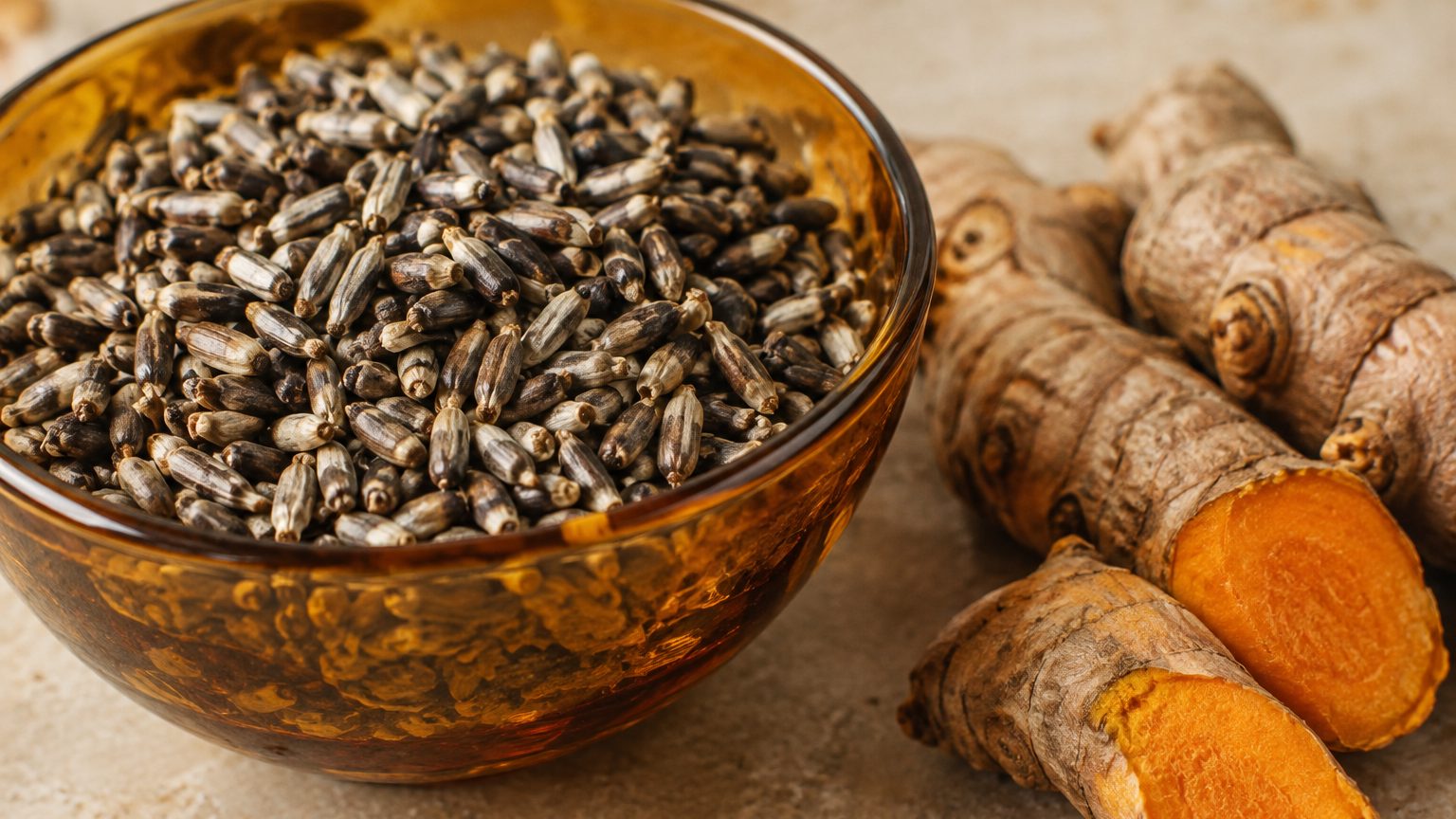
TUDCA benefits center on supporting normal bile flow, fat digestion, and cellular resilience, although most research comes from laboratory and animal studies. A small number of human trials offer useful clues, but they do not establish TUDCA as a treatment or liver repair solution. Here is what TUDCA does, how it differs from UDCA and milk thistle, and what to know before using it.
Key Takeaways
- Bile acid role: TUDCA is a water-soluble bile acid involved in bile circulation and fat digestion.
- Early evidence: Research suggests effects on bile flow and cellular stress, but much of the evidence is preclinical.
- Different compounds: TUDCA is UDCA joined to taurine, while prescription UDCA is a distinct drug form.
- Complementary ingredients: TUDCA and milk thistle work through different biological pathways and can share one formula.
- Digestive effects: Loose stools and other digestive discomfort are the most commonly reported TUDCA side effects.
- Medical guidance: Ask your doctor first if you use medication or have a liver, gallbladder, bile duct, kidney, or other medical condition.
What TUDCA Is
TUDCA stands for tauroursodeoxycholic acid. It is a hydrophilic, or water-compatible, bile acid made when ursodeoxycholic acid, usually shortened to UDCA, joins with the amino acid taurine. Your body naturally makes small amounts through a process involving the gut, liver, and circulating bile acid pool.
Bile acids begin as cholesterol-derived compounds in the liver. Gut microbes can modify them, and the liver can attach molecules such as taurine before sending them back into bile. This recycling route is called enterohepatic circulation, meaning bile acids move between the liver and intestines rather than being used only once.
TUDCA and UDCA are related but not identical. TUDCA is the taurine-conjugated form of UDCA. UDCA, also called ursodiol, is available as a prescription drug for specific liver and bile-related conditions. That medical use should not be transferred to over-the-counter TUDCA supplements, which have different regulatory status, labels, and intended uses.
The name also answers part of the question, "What is TUDCA made from?" At the molecular level, it consists of UDCA bonded to taurine. The commercial manufacturing source can vary, so the ingredient name alone does not establish how a particular supplement was produced.
How Bile Acids Work
Bile acids help your digestive system handle dietary fat. The liver makes bile, the gallbladder stores and concentrates it, and eating triggers its release into the small intestine. There, bile acids break large fat droplets into smaller structures that digestive enzymes can reach more easily.
This process also helps your body absorb fat-soluble vitamins A, D, E, and K. Most bile acids are then reabsorbed near the end of the small intestine and returned to the liver. This efficient recycling explains why changes in the bile acid pool can affect both digestion and normal liver function.
Bile acids are more than digestive detergents. They also act as signaling molecules through receptors such as farnesoid X receptor, or FXR, which helps coordinate bile acid production and aspects of nutrient metabolism. These signaling effects are one reason TUDCA attracts research interest, but receptor activity in a laboratory does not automatically translate into a noticeable supplement benefit.
TUDCA is relatively water-compatible compared with more hydrophobic, or water-repelling, bile acids. Researchers are studying whether this characteristic helps support normal bile movement and makes the cellular bile acid environment less stressful. A useful overview of bile acid physiology from NCBI explains the broader digestive and recycling process.
What Research Shows
Research on TUDCA suggests three main areas of interest: bile flow, cell membrane stability, and endoplasmic reticulum stress. The endoplasmic reticulum is a structure inside cells that folds and processes proteins. When proteins do not fold correctly, cells activate a stress response to restore balance.
In cell and animal studies, TUDCA has influenced markers involved in this stress response. Researchers sometimes describe it as a chemical chaperone, meaning a compound that may help proteins fold and move through cells correctly. This is a mechanistic finding, not proof that a TUDCA supplement produces a specific wellness outcome in people.
Human evidence remains limited. One small clinical study examined TUDCA for several weeks and measured insulin signaling in liver and muscle tissue. It found changes in some metabolic measurements, but it involved a specific research population and was not designed to prove general liver support benefits. Reviews of TUDCA biology and cellular stress also emphasize that much of the evidence comes from experimental models.
These distinctions matter because cell studies can use concentrations that differ from normal oral supplementation. Animal studies may also use different amounts, treatment periods, or delivery routes. Human trials provide more direct evidence, but the small number of studies, differing methods, and clinical settings do not yet support firm conclusions about broad TUDCA benefits.
TUDCA can reasonably be viewed as a bile-related ingredient that supports normal liver function within a daily routine. It should not be described as repairing the liver or as a substitute for evaluation of symptoms or abnormal laboratory results.
TUDCA Versus Milk Thistle
TUDCA versus milk thistle is not a simple better-or-worse comparison. The two ingredients come from different sources and support normal liver function through different mechanisms. Milk thistle is a plant, while TUDCA is a bile acid.
Milk thistle extract contains silymarin, a group of plant compounds called flavonolignans. Research has focused largely on antioxidant activity and normal liver cell function. The National Center for Complementary and Integrative Health notes that human research has produced conflicting or limited conclusions, so broad medical claims are not supported.
| Feature | TUDCA | Milk thistle |
|---|---|---|
| What it is | UDCA joined to taurine | Botanical extract containing silymarin |
| Primary research focus | Bile biology, cell membranes, and cellular stress | Antioxidant pathways and normal liver cell function |
| Research status | Mostly cell and animal research, with limited human trials | Numerous studies, but mixed human findings |
| Typical supplement use | Bile-related and liver support formulas | Standalone products and broader liver formulas |
TUDCA may make more sense when your interest centers on bile acid biology. Milk thistle may appeal if you want a botanical antioxidant component. A combined formula can include both without treating them as interchangeable.
Neither ingredient replaces a balanced diet, regular movement, sleep, or medical care. If you are considering either because of a diagnosed condition, alcohol use, medication, symptoms, or test results, discuss that purpose with your doctor rather than choosing based on supplement comparisons alone.
Why Formulas Pair Them
A multi-ingredient formula can approach normal liver support from several directions. TUDCA contributes a water-compatible bile acid, ox bile provides additional bile-related compounds, and milk thistle supplies standardized silymarin. Other ingredients can provide antioxidant nutrients or support normal nutrient metabolism.
LiveGood Liver Support uses a fully disclosed formula with 10 active ingredients per two-capsule serving. It contains N-acetyl-L-cysteine 500 mg, milk thistle seed extract 500 mg standardized to 80% silymarin, alpha lipoic acid 100 mg, TUDCA 50 mg, and grass-fed ox bile powder 50 mg standardized to 45% cholic acid.
The formula also provides organic turmeric root extract 25 mg standardized to 95% curcuminoids, organic dandelion root 25 mg, choline 10 mg, zinc 11 mg as Albion TRAACS bisglycinate, and selenium 100 mcg as L-selenomethionine. You can read more about the role of alpha lipoic acid and compare the broader categories found in liver supplements.
LiveGood lists it as third-party tested, heavy metal tested, micro tested, GMP Certified, gluten free, dairy free, soy free, non-GMO, and made in an FDA registered facility. Each bottle contains 30 servings. The member price is $14.95, about $0.50 per serving, compared with the $29.95 retail price, about $1.00 per serving.
There is no universally established TUDCA dosage for general wellness. Research amounts vary by study and should not be treated as personal instructions. For this complete formula, the label directs you to take two capsules daily with a glass of water, preferably with food and earlier in the day.
If you prefer a fully disclosed blend rather than assembling separate ingredients, LiveGood Liver Support combines TUDCA, standardized milk thistle, ox bile, NAC, alpha lipoic acid, and supporting nutrients in one daily serving. Take two capsules with a glass of water, with food and earlier in the day as directed. Whichever supplement you choose, follow its label and keep balanced eating, movement, hydration, and sleep at the center of your routine.
Side Effects and Precautions
TUDCA side effects appear to be primarily digestive. Loose stools are the most commonly discussed effect, while some people may experience abdominal discomfort, nausea, or changes in bowel habits. Because bile acids affect fat digestion and movement within the intestines, digestive responses are biologically plausible.
Long-term safety evidence for unsupervised TUDCA supplementation is not as extensive as the research available for many vitamins and minerals. Supplement quality, serving size, combined ingredients, and personal health factors can all influence how you respond. More is not necessarily better, and clinical research amounts are not directions for self-use.
Ask your doctor before using TUDCA if you have a gallbladder condition, bile duct problem, liver condition, kidney condition, or another existing medical condition. Pregnancy and breastfeeding also require medical guidance because adequate safety data are not available. Children should receive supplements only under the direction of their pediatric clinician.
TUDCA interaction research is incomplete. If you take prescription medication, especially medication related to liver function, bile acids, blood sugar, or cholesterol, ask your doctor or pharmacist to review the full supplement label. The same guidance applies if you use several supplements together, since overlapping digestive effects or ingredients can be easy to miss.
Seek medical care for persistent digestive symptoms, yellowing of the skin or eyes, dark urine, severe abdominal pain, or unexplained changes in liver tests. A supplement can support normal function, but it cannot identify why a symptom or laboratory result has changed.
Frequently Asked Questions
When is the best time to take TUDCA?
Take TUDCA according to the specific product label, often with food to fit bile-related ingredients into a meal routine. LiveGood Liver Support directs you to take two capsules with a glass of water daily, preferably with food and earlier in the day. Consistent use matters more than choosing an exact hour.
Is TUDCA better than milk thistle?
TUDCA is not universally better than milk thistle because they serve different roles. TUDCA is a bile acid studied for bile biology and cellular stress, while milk thistle provides silymarin compounds studied for antioxidant activity and normal liver cell function. Some formulas combine them to provide complementary support.
Does TUDCA interact with any medications?
TUDCA may interact with medications, but comprehensive interaction data are not available. Ask your doctor or pharmacist before use if you take any prescription medication, particularly products related to liver function, bile acids, blood sugar, or cholesterol. Give them the complete supplement label so they can evaluate every ingredient.
What is the difference between TUDCA and UDCA?
TUDCA is UDCA chemically joined to the amino acid taurine. UDCA, also known as ursodiol, is used as a prescription drug for specific liver and bile-related conditions, while TUDCA is commonly sold as a dietary supplement. Their close chemical relationship does not make their labels, uses, or evidence interchangeable.
What are the benefits of liver support supplements?
Liver support supplements may provide nutrients and researched compounds that support normal liver function, antioxidant defenses, bile-related processes, or nutrient metabolism. Benefits depend on the ingredients, amounts, quality, and your individual needs. They do not cleanse or repair the liver and should not replace medical evaluation, balanced nutrition, sleep, or regular activity.
What is TUDCA made from?
TUDCA is a bile acid molecule made from ursodeoxycholic acid, or UDCA, joined to taurine. Your body naturally produces small amounts through processes involving intestinal microbes and the liver. Commercial manufacturing methods and ingredient sources can vary, so consult the manufacturer if source details matter to you.