
Dandelion Root Tea Benefits Explained
 Written by Nauder Khazan
Ask AI about this article and Liver Support





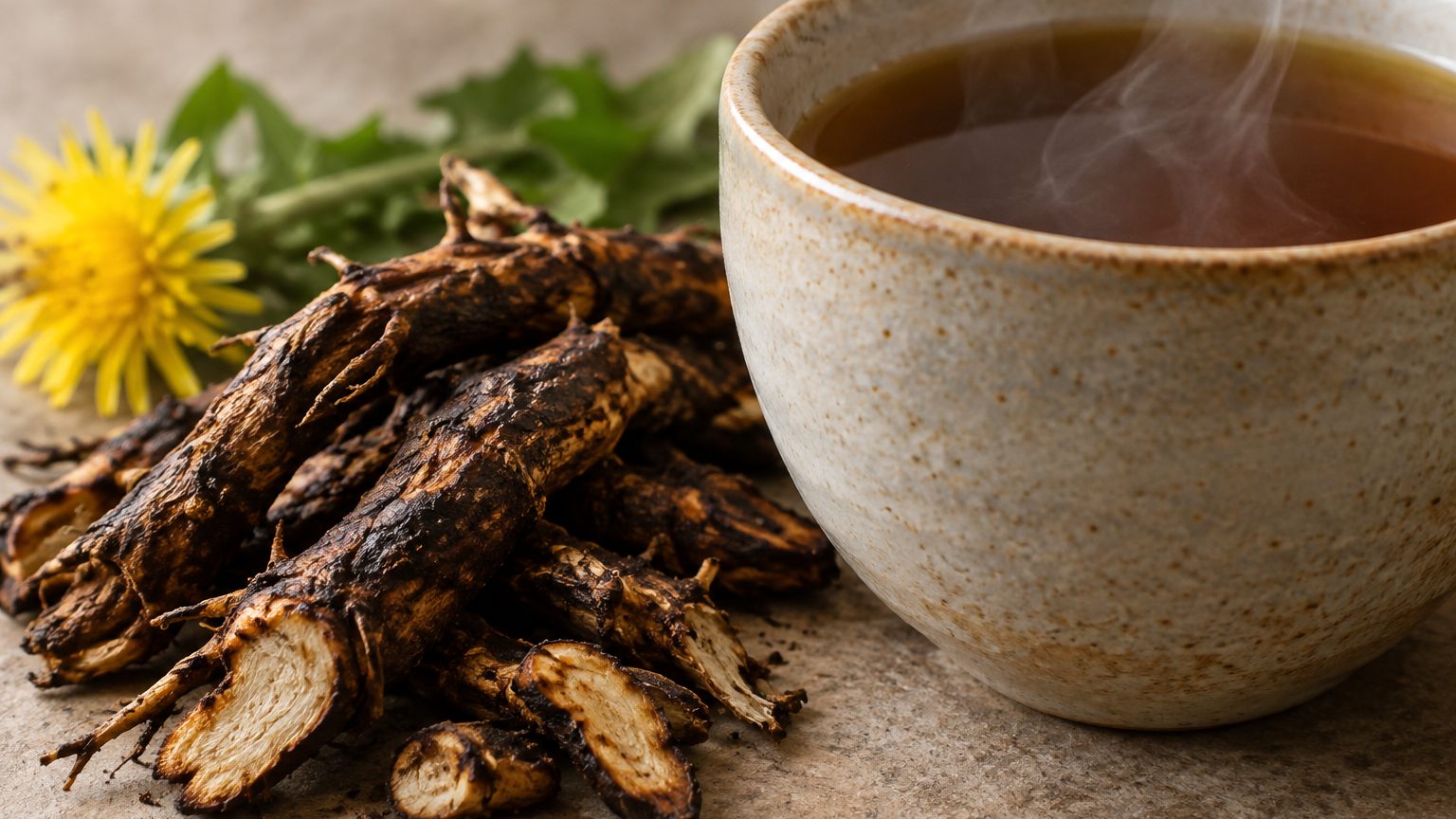
Potential dandelion root tea benefits include gentle digestive support and exposure to naturally occurring bitter compounds, inulin, and polyphenols. However, most research comes from laboratory and animal studies, and human trials have not shown that dandelion root tea improves liver outcomes. Roasted root offers similar plant compounds with a darker, coffee-like flavor.
Key Takeaways
- Digestive tradition: Dandelion root has a long history of use as a bitter herb taken around meals.
- Limited human evidence: Most findings on bile flow and antioxidant activity come from laboratory or animal research.
- No proven liver outcome: Human trials have not shown that dandelion root tea changes liver function or liver health outcomes.
- Raw versus roasted: Raw root tastes earthy and bitter, while roasted dandelion root develops a deeper, coffee-like flavor.
- Medication checks matter: Ask your doctor before use if you take diuretics, lithium, potassium-sparing medication, or blood thinners.
What Dandelion Root Tea Is
Dandelion root tea is an herbal infusion or decoction made from the dried root of Taraxacum officinale, the common dandelion. A decoction means the tougher plant material is gently simmered rather than simply covered with hot water. This longer preparation helps extract compounds from dense roots.
The root and leaf are not interchangeable in research. Dandelion leaves are commonly eaten as greens and have traditionally been associated with increased urination. The root is more often used as a bitter digestive herb or roasted as a caffeine-free coffee substitute. A study involving urine output used dandelion leaf extract, not root tea, so its findings should not be applied directly to dandelion root.
Raw dried root produces a light brown tea with an earthy, distinctly bitter flavor. Roasted dandelion root is heated until it becomes darker and more aromatic. Roasting creates toasted, nutty notes that can resemble coffee, although the drink contains no caffeine unless it is blended with coffee or another caffeinated ingredient.
Roasting also changes the plant's chemical profile. Heat may reduce some compounds while creating new flavor compounds through browning reactions. That means raw and roasted preparations should not be treated as chemically identical, even though both come from the same plant. Choose raw root for a sharper herbal taste or roasted root for a smoother, coffee-like drink.
Compounds Found In Dandelion Root
Dandelion root contains several groups of naturally occurring plant compounds. Their concentrations vary with the growing conditions, harvest season, processing method, and brewing time, so a cup of tea does not provide a standardized amount.
One component is inulin, a type of prebiotic fiber. A prebiotic is a substance used as food by certain microorganisms in your digestive tract. Dandelion is one botanical source of inulin, although a filtered cup of tea may provide less fiber than eating the root or using a measured fiber product. You can read more about how inulin supports the digestive environment.
The root also contains sesquiterpene lactones, which contribute much of its bitter taste. Bitter compounds interact with taste receptors in your mouth and digestive tract. This sensory response helps explain dandelion root's traditional role as a bitter herb served before or with food, but controlled human trials have not established a specific digestive outcome from the tea.
Polyphenols are another group found in dandelion. These plant compounds can display antioxidant activity in laboratory tests, meaning they interact with unstable molecules under experimental conditions. Laboratory antioxidant activity does not automatically translate into a measurable benefit after you drink the tea because absorption, metabolism, and concentration all matter.
Dandelion also contains small amounts of minerals, but tea should not be treated as a reliable mineral supplement. Water temperature, root quantity, steeping time, and filtration make the final amount difficult to predict.
What Research Actually Suggests
The strongest case for dandelion root tea is its traditional use as a bitter digestive beverage, not a proven clinical effect. Bitterness can prompt normal sensory and digestive responses, but researchers have not completed robust human trials showing that dandelion root tea consistently changes digestion, bowel regularity, or nutrient absorption.
Preclinical research, which includes laboratory and animal studies completed before human clinical testing, has examined dandelion extracts for bile flow and antioxidant activity. Bile is a digestive fluid produced by the liver and used in the small intestine to help process dietary fats. Some experiments suggest dandelion compounds may influence bile-related processes, but those findings do not show that a brewed cup produces the same response in people.
The same limitation applies to claims about dandelion root for liver support. A scientific review of dandelion research describes interesting biological activity while emphasizing the need for better clinical evidence. No human trial has shown that dandelion root tea improves liver outcomes. It should not be described as cleansing or detoxifying the liver.
One small human pilot study reported changes in urination after participants took an extract made from fresh dandelion leaf. The study examined leaf extract rather than root tea, included a small number of participants, and followed them for a short period. It cannot establish that dandelion root tea has the same effect.
Laboratory and animal research has also explored cholesterol and metabolic markers, but convincing human evidence is lacking. These early findings can help researchers decide what to study next, but they do not establish dandelion tea as a way to manage cholesterol, blood sugar, body weight, or a health condition.
For a broader look at ingredients commonly combined for normal liver function, see what liver supplements contain.
How To Make Dandelion Tea
To make dandelion root tea, place 1 to 2 teaspoons of dried root in a small saucepan with about 8 ounces of water. Bring it to a gentle simmer and leave it for 10 to 15 minutes. Strain the root before drinking. A longer simmer or a larger quantity of root creates a stronger and more bitter brew.
You can use raw or roasted dandelion root. Raw root produces a lighter, grassier drink with pronounced bitterness. Roasted dandelion root makes a darker tea with toasted and slightly nutty notes. It works well when you want a caffeine-free hot beverage with some of coffee's roasted character.
There is no clinically established best dose or schedule for dandelion root tea. Traditional preparations and commercial tea directions vary, so follow the package instructions when using a prepared product. If you are trying it for the first time, pay attention to digestive comfort and avoid assuming that a stronger brew will provide greater benefits.
People often drink bitter herbal teas shortly before or with a meal because that timing fits their traditional digestive use. However, research has not identified a best time of day. If the tea seems to increase urination or interrupts sleep, drinking it earlier may be more practical.
Consistency gives you a clearer sense of how the beverage fits your routine, but it does not turn preliminary research into a proven effect. Think of dandelion tea primarily as an herbal drink that may complement balanced meals, adequate fiber, hydration, movement, sleep, and responsible alcohol use.
Dandelion Root And Milk Thistle
Dandelion root and milk thistle frequently appear together in liver support formulas because they have different traditional and nutritional roles. Dandelion contributes bitter compounds, inulin, and polyphenols. Milk thistle provides silymarin, the name for a group of flavonolignans naturally concentrated in milk thistle seed.
Research on each ingredient should be considered separately. Pairing them does not prove that the combination changes a liver outcome, and human evidence for dandelion root remains limited. A well-designed supplement can still offer a convenient way to include clearly identified ingredients in a consistent daily routine.
LiveGood Liver Support provides a fully disclosed formula with 30 two-capsule servings. Each serving contains 500 mg N-acetyl-L-cysteine, commonly called NAC; 500 mg milk thistle seed extract standardized to 80% silymarin; 100 mg alpha lipoic acid; and 50 mg tauroursodeoxycholic acid, usually shortened to TUDCA. You can also explore what research suggests about TUDCA.
The formula also includes 50 mg grass-fed ox bile powder standardized to 45% cholic acid, 25 mg organic turmeric root extract standardized to 95% curcuminoids, 25 mg organic dandelion root, 10 mg choline, 11 mg zinc as Albion TRAACS bisglycinate, and 100 mcg selenium as L-selenomethionine. Dandelion root contributes its traditional bitter botanical role within this broader formula, which is designed to support normal liver function.
At 30 servings per container, the member price of $14.95 is about $0.50 per serving, compared with about $1.00 per serving at the $29.95 retail price. The product is gluten free, dairy free, soy free, non-GMO, GMP Certified, Third Party Tested, Heavy Metal Tested, and Micro Tested.
If you prefer a measured, fully disclosed formula, LiveGood Liver Support combines organic dandelion root with milk thistle, NAC, TUDCA, and other nutrients to support normal liver function. Follow the label by taking two capsules daily with a glass of water, preferably with food and earlier in the day. If tea is your choice, simmer dried root for 10 to 15 minutes and keep your routine consistent rather than expecting an immediate effect.
Side Effects And Safety Checks
Possible dandelion tea side effects include stomach discomfort, heartburn, loose stools, or increased urination. These effects are not inevitable, but bitter herbs and inulin-containing plants may be uncomfortable for some people, especially when consumed in concentrated preparations.
Dandelion belongs to the Asteraceae family, which also includes ragweed, daisies, chrysanthemums, and marigolds. If you have reacted to plants in this family, ask your doctor before trying dandelion. Stop using it and seek medical guidance if you develop signs of an allergic reaction.
Talk with your doctor before using dandelion root if you have gallbladder, bile duct, kidney, liver, or other existing medical conditions. Changes involving bile or urination could be relevant to these conditions, even though the effects of root tea have not been well established in human studies. Questions involving alcohol and liver health also belong with your doctor rather than an herbal tea recommendation.
Medication checks are especially important. Dandelion may be relevant to diuretics, lithium, potassium-sparing medications, and blood thinners. Evidence about the size and likelihood of these interactions is limited, but limited evidence does not make an interaction impossible. Your doctor or pharmacist can assess the specific medication, dose, and health context.
Ask your doctor before using dandelion during pregnancy or breastfeeding. The same applies to children because adult traditions and studies do not establish appropriate use for younger age groups. If you are concerned about oxalates or kidney stones, consult your doctor rather than relying on broad online lists. Oxalate levels can vary by plant part and preparation, and reliable data for a typical cup of dandelion root tea are limited.
Dandelion root tea can be a pleasant bitter or roasted beverage, but it should complement rather than replace everyday habits or medical care. Its traditional uses are established more clearly than its clinical outcomes.
Frequently Asked Questions
What are the benefits of drinking dandelion root tea?
Dandelion root tea may provide gentle digestive support as a traditional bitter beverage. It also contains inulin, polyphenols, and sesquiterpene lactones. Most research on bile flow and antioxidant activity comes from laboratory or animal studies, however, and human trials have not confirmed specific digestive or liver outcomes from drinking the tea.
What is the best time to drink dandelion root tea?
There is no research-established best time to drink dandelion root tea. People traditionally use bitter herbal drinks before or with meals, while drinking it earlier in the day may be more practical if it seems to increase urination. Your routine and tolerance matter more than a precise time.
What are the potential side effects of dandelion root tea?
Dandelion root tea may cause stomach discomfort, heartburn, loose stools, increased urination, or an allergic reaction. Check with your doctor first if you have a ragweed-family allergy, gallbladder or kidney concerns, are pregnant or breastfeeding, or take diuretics, lithium, potassium-sparing medication, or blood thinners.
Does dandelion root tea support the liver?
Dandelion root has a traditional connection to liver-focused herbal practices, but human trials have not shown that its tea improves liver outcomes. Laboratory and animal studies have explored bile flow and antioxidant activity, which can guide future research but cannot establish the same effects in people. Discuss liver conditions, medications, and alcohol concerns with your doctor.
Is dandelion root tea good for cholesterol?
Dandelion root tea has not been shown in strong human trials to manage cholesterol. Some laboratory and animal studies have examined dandelion extracts and metabolic markers, but an extract used under experimental conditions is not equivalent to a cup of tea. Use established nutrition and medical guidance for cholesterol concerns.