
Ox Bile Supplement: What It Does
 Written by Nauder Khazan
Ask AI about this article and Liver Support





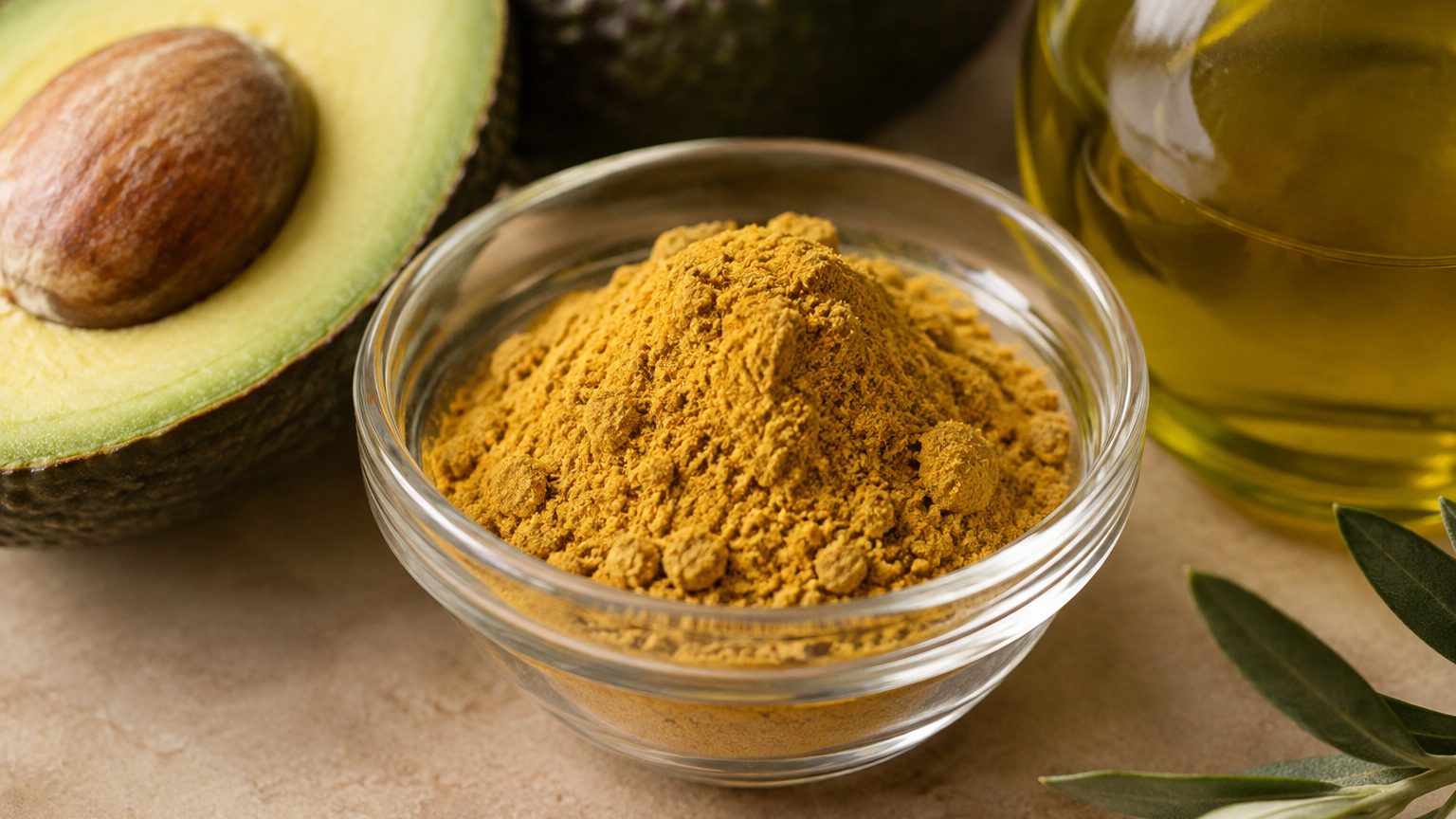
An ox bile supplement provides bile acids that can support the digestion of dietary fat and absorption of fat-soluble nutrients. Although the digestive mechanism is well understood, direct clinical research on supplemental ox bile remains limited, so your individual needs and medical history matter.
Key Takeaways
- Digestive role: Bile breaks large fat droplets into smaller ones that digestive enzymes can process more efficiently.
- Supplement source: Ox bile is dried bovine bile, commonly sold as a bile salts supplement.
- Meal timing: Ox bile is usually taken as directed with a meal containing fat rather than on an empty stomach.
- Surgery considerations: After gallbladder removal, your liver still produces bile, but you should discuss supplemental bile salts with your doctor.
- Evidence limits: The biological rationale is clear, but direct human research on ox bile supplement outcomes is thin.
- Possible effects: Loose stools and abdominal cramping can occur, especially with higher amounts.
What Bile Does
Bile is a yellow-green digestive fluid made continuously by your liver. It contains water, cholesterol, phospholipids, pigments and bile acids. If you have a gallbladder, that small organ stores and concentrates bile between meals, then releases it into your small intestine when food arrives.
One of bile's main digestive jobs is emulsification. This means breaking large droplets of dietary fat into many smaller droplets. The process increases the surface area available to lipase, the digestive enzyme that separates fat into components your intestinal cells can absorb.
Bile also helps your body absorb the fat-soluble vitamins A, D, E and K. These vitamins need to combine with dietary fat and bile components before they can move efficiently through the watery environment of the intestine. The National Library of Medicine's overview of bile physiology explains this digestive and nutrient-processing role in more detail.
After helping with digestion, most bile acids are reabsorbed near the end of the small intestine and returned to the liver. This recycling route is called enterohepatic circulation. Your body reuses the same bile acids many times rather than making an entirely new supply for every meal.
This physiology explains the interest in ox bile for fat digestion. However, understanding what natural bile does does not establish that everyone will benefit from supplemental bile. Persistent discomfort after fatty foods can have several causes, so it should not automatically be interpreted as evidence that you need more bile.
What an Ox Bile Supplement Is
An ox bile supplement contains dried bile obtained from cattle. These products are often described as bile salts supplements, although the terms are not identical in biochemistry. Bile acids are cholesterol-derived compounds made by the liver. Once they are joined to amino acids and become electrically charged in the intestine, they function mainly as bile salts.
Cholic acid is one of the primary bile acids produced by mammals. If a label says that ox bile powder is standardized to a percentage of cholic acid, it means the ingredient is manufactured to provide a consistent stated proportion of that compound. For example, ox bile standardized to 45% cholic acid has a defined cholic acid content rather than an unspecified powder composition.
Ox bile is not the same as a digestive enzyme. Enzymes chemically break food molecules apart, while bile acids organize fat into small structures that enzymes can reach more readily. Some digestive formulas combine the two because their roles are complementary, but they remain distinct ingredients.
Ox bile also differs from tauroursodeoxycholic acid, commonly shortened to TUDCA. TUDCA is an individual, relatively water-preferring bile acid, while ox bile powder contains a broader mixture of bile components. You can read more about that distinction in this overview of TUDCA benefits.
Label detail matters because products can vary in source, quantity and standardization. Look for the amount per serving, serving size, source and any stated cholic acid percentage. Full disclosure allows you and your healthcare professional to evaluate the ingredient without guessing what a proprietary blend contains.
Why People Consider Ox Bile
People most often look into ox bile when they want digestive support for meals that contain fat. Interest may be higher among people following a high-fat eating pattern, adults who notice meal-related digestive changes, and people who have had gallbladder surgery. These situations do not prove that a supplement is necessary, but they explain the common questions about ox bile benefits.
Ox bile after gallbladder removal requires particular context. Removing the gallbladder does not stop your liver from making bile. Instead of being stored and released in a concentrated pulse with a meal, bile flows more continuously from the liver through the bile ducts and into the small intestine.
Many people digest food without supplemental bile after surgery. Others experience changes in stool patterns or comfort around certain meals and become interested in bile salts. Because symptoms after surgery may have different causes, the decision belongs in a conversation with your surgeon or doctor rather than a trial-and-error assumption.
Older adults also sometimes investigate ox bile because digestion can change with age. Age alone, however, does not show that bile production is inadequate. Medications, meal size, fat intake and gastrointestinal conditions can all influence how a person responds to food.
The strongest case for ox bile is mechanistic: bile acids have a recognized role in emulsifying fat and supporting the absorption of fat-soluble nutrients. Direct controlled clinical trials testing common over-the-counter ox bile products are limited. That means broad claims about energy, nutrient status or post-meal comfort go beyond what current human evidence can firmly establish.
Ox bile is also only one category within gut health supplements. Fiber, probiotics, enzymes and bile salts act in different ways, so one should not be treated as a substitute for another.
How to Take Ox Bile
If you use ox bile, follow the directions on that specific product rather than copying an amount from another label. Formulas can contain different concentrations, serving sizes and combinations of digestive ingredients.
Ox bile is usually taken with a meal that contains some dietary fat. This timing matches the point at which bile normally participates in digestion. Taking it after you have completely finished digesting a meal is less aligned with that role, while taking it on an empty stomach may increase the chance of digestive discomfort for some people.
There is no single high-fat threshold that determines whether you need supplemental bile. A meal can contain fat from foods such as eggs, fish, avocado, nuts, seeds, dairy products or cooking oils. More is not automatically better, and the amount of fat in a meal should fit your overall dietary needs.
If the ox bile appears within a broader liver support formula, use the directions for the complete formula. Do not add extra servings simply because the ox bile amount looks different from that of a stand-alone product. Ingredient concentrations and intended uses vary considerably between formulations.
If you have had gallbladder removal, ask your doctor when and whether to take ox bile. The same advice applies if meal-related symptoms are persistent, worsening or new. Your doctor can consider whether your symptoms fit the expected digestive changes after surgery or require further evaluation.
Supplements work best within a consistent routine that includes balanced meals, adequate fluid intake and attention to your individual tolerance. They do not replace appropriate medical assessment or a diet suited to your needs.
Ox Bile in Liver Support
LiveGood Liver Support includes 50 mg of grass-fed ox bile powder standardized to 45% cholic acid per two-capsule serving. The complete label discloses every ingredient amount, with no hidden proprietary blend, making it clear how ox bile fits within the wider formula.
The serving also contains 50 mg of TUDCA. These ingredients are related but not interchangeable: ox bile supplies a mixture of bile components, while TUDCA is a specific bile acid. Their inclusion gives the formula two complementary bile-related ingredients within a product designed to support normal liver function.
Other ingredients are N-acetyl-L-cysteine, or NAC, at 500 mg; milk thistle seed extract at 500 mg, standardized to 80% silymarin; alpha lipoic acid at 100 mg; and organic turmeric root extract at 25 mg, standardized to 95% curcuminoids. The formula also provides 25 mg of organic dandelion root, 10 mg of choline, 11 mg of zinc as Albion TRAACS bisglycinate, and 100 mcg of selenium as L-selenomethionine.
This combination places ox bile within a comprehensive daily formula rather than presenting it as the only contributor. For more context on how milk thistle, NAC, bile acids and similar nutrients are commonly formulated, see liver supplements and their ingredients.
The product is third-party tested, GMP Certified, non-GMO, and free from gluten, dairy and soy. Each bottle contains 30 servings. At $14.95 for members or $29.95 retail, the cost is approximately $0.50 or $1.00 per daily serving, respectively.
For a fully disclosed daily formula, take LiveGood Liver Support according to its label: two capsules with a glass of water, preferably with food and earlier in the day. This timing suits ingredients such as milk thistle, turmeric, NAC and TUDCA while keeping the ox bile alongside a meal. The formula supports normal liver function and costs $14.95 for members or $29.95 retail for 30 servings.
Side Effects and Precautions
The most commonly discussed ox bile side effects are loose stools, diarrhea and abdominal cramping. Because bile acids influence both fat processing and movement within the intestine, taking more than your digestive system tolerates may make stools more urgent or watery.
Stop using the supplement and contact a healthcare professional if you develop persistent or severe symptoms. Pain, vomiting, fever, jaundice, dark urine or pale stools should not be managed by adjusting a supplement on your own. These signs require timely medical evaluation.
Ask your doctor before using ox bile if you have gallstones, a known or suspected bile duct obstruction, an inflammatory bowel condition or an ulcer. You should also seek individualized guidance if you have any existing liver, kidney, gallbladder or gastrointestinal condition.
Medication interactions deserve particular attention. Bile acid sequestrants are cholesterol medications that bind bile acids in the intestine. Because supplemental ox bile may work against the intended binding process or complicate medication timing, discuss the combination with your prescribing doctor or pharmacist. The same rule applies to other prescription medications rather than assuming no interaction exists.
If you are pregnant or breastfeeding, ask your doctor before using ox bile or a multi-ingredient liver formula. Children should receive supplements only under the direction of an appropriate healthcare professional.
Finally, digestive symptoms do not identify their own cause. Reflux, cramping, diarrhea or discomfort after fatty meals can reflect many different processes. A supplement may support a normal digestive function, but it cannot diagnose the reason for a symptom. Careful meal tracking can give your doctor useful context, particularly if you record timing, food composition, symptoms and any supplements or medications used.
Frequently Asked Questions
What does an ox bile supplement do?
An ox bile supplement provides bile acids that support the normal emulsification and digestion of dietary fat. Bile also helps your body absorb the fat-soluble vitamins A, D, E and K. This mechanism is well established, but direct clinical research showing who benefits from over-the-counter ox bile supplements remains limited.
When should you take ox bile?
Ox bile is generally taken as directed with a meal containing dietary fat. This timing aligns with bile's natural role in the small intestine and may be easier to tolerate than taking it on an empty stomach. Follow the product label, and do not increase the serving simply because a meal contains more fat.
How do you take ox bile after gallbladder removal?
You should discuss ox bile after gallbladder removal with your surgeon or doctor before taking it. Your liver still produces bile after surgery, but bile enters the intestine more continuously instead of being stored and released by the gallbladder. If your doctor approves a supplement, follow its label and any individualized timing instructions.
Is ox bile safe to use?
Ox bile may be tolerated by some adults when used according to the label, but it is not appropriate for everyone. Ask your doctor first if you have gallstones, bile duct obstruction, ulcers, an inflammatory bowel condition, or liver or kidney concerns. Pregnancy, breastfeeding and prescription medication use also require professional guidance.
What are common ox bile side effects?
Commonly reported ox bile side effects include loose stools, diarrhea and abdominal cramping, particularly at higher amounts. Stop using it and contact a healthcare professional if symptoms persist or become severe. Pain, fever, vomiting, jaundice, dark urine or pale stools require medical evaluation rather than supplement adjustment.
How can you tell bile reflux from acid reflux?
You generally cannot distinguish bile reflux from acid reflux based on symptoms alone. Both may cause upper abdominal discomfort, nausea or a burning sensation, and they can occur together. A doctor may use your history and appropriate testing to identify the cause, so persistent or worsening reflux symptoms should be professionally evaluated.