
Anti Inflammatory Supplements: What Research Supports
 Written by Ben Glinsky
Ask AI about this article and Factor4 - Advanced Inflammation Management





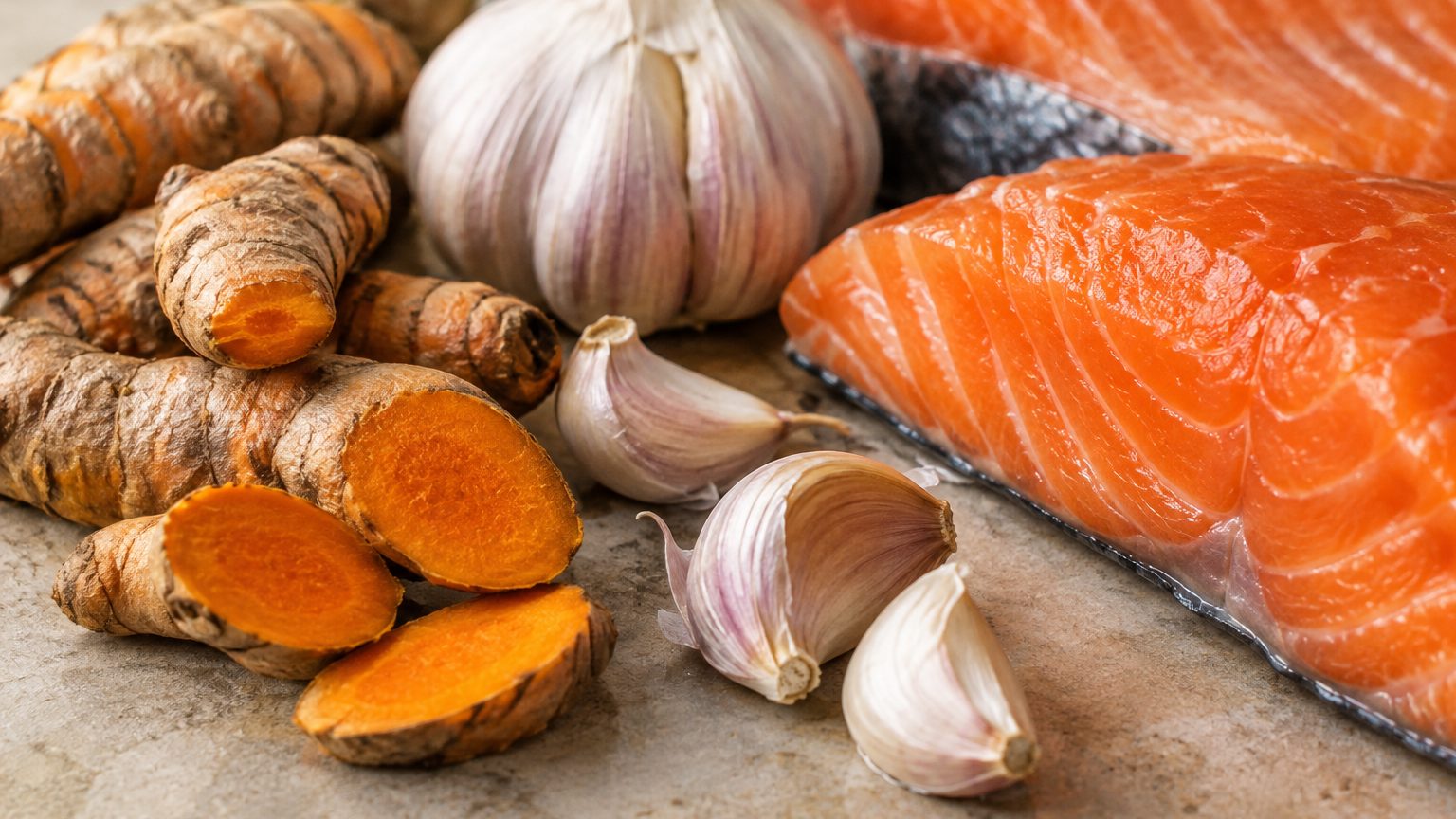
The anti inflammatory supplements with the most useful human research include omega-3 EPA and DHA, curcumin, CoQ10 and certain garlic extracts, but the evidence and effective trial amounts differ. Omega-3s have the most consistent data, while curcumin results depend heavily on the extract and absorption. Supplements can support a healthy inflammatory response, but diet, sleep and movement have broader evidence.
Key Takeaways
- Best-supported option: Omega-3 EPA and DHA have the most consistent human evidence for supporting healthy inflammatory markers.
- Form matters: Curcumin extracts are not equivalent to turmeric spice, and their absorption varies considerably.
- Doses differ: Combination formulas often contain less of each ingredient than researchers use in single-ingredient trials.
- Evidence is mixed: CoQ10, garlic, ginger and other ingredients show promise, but their results are less consistent.
- Habits come first: Fiber-rich foods, oily fish, olive oil, movement and adequate sleep matter more than any supplement.
- Safety deserves attention: Medications, surgery, pregnancy, health conditions and allergies can change which supplements are appropriate.
What Inflammation Means
Inflammation is part of your body's normal protective response. Acute inflammation is short term and helps your body respond to an injury or another immediate challenge. Warmth, swelling and temporary soreness around a minor injury are familiar examples of this process.
Chronic inflammation is different. It involves inflammatory signaling that remains active longer than needed, sometimes without obvious outward signs. Researchers often assess this activity through markers such as C-reactive protein, or CRP, and interleukin-6, or IL-6. These blood markers provide clues about inflammatory activity, but they do not diagnose its cause by themselves.
The phrase anti inflammatory supplements is therefore an imperfect shorthand. A supplement does not simply switch inflammation off, nor would you want it to block a response your body sometimes needs. The more accurate goal is to support a healthy inflammatory response and normal resolution, the process through which inflammatory activity returns to baseline.
Research usually measures changes in markers rather than proving that an ingredient produces a meaningful long-term health outcome. Results can also depend on your starting diet, nutrient status, age, body composition and health. That is why there is no universally best anti inflammatory supplement for every person. Persistent symptoms or abnormal laboratory results need evaluation by a qualified healthcare professional, not self-treatment with supplements.
Omega-3 Has Strongest Evidence
Among commonly marketed supplements for inflammation, the omega-3 fatty acids EPA and DHA have the most consistent human research. They are found naturally in oily fish and can also be supplied through fish oil or algae oil.
EPA and DHA become part of cell membranes and help form specialized pro-resolving mediators, compounds involved in returning an inflammatory response to its normal resting state. Meta-analyses, which combine results from multiple studies, have reported changes in CRP, IL-6 and other markers. Findings tend to be stronger in people who begin with low omega-3 intake or higher baseline marker levels.
Research commonly uses about 1 to 3 grams of combined EPA and DHA per day. This is research context, not a personal dosing recommendation. The relevant number is combined EPA and DHA, not total fish oil. A capsule labeled 1,000 mg fish oil may contain substantially less than 1,000 mg of EPA and DHA, so you need to read the Supplement Facts panel.
Benefits in trials generally develop over weeks or months, not after a single serving. Studies also vary in duration, EPA-to-DHA ratio, participant health and background diet, so omega 3 inflammation findings are not identical across every population.
For a closer look at the evidence and label math, see fish oil and inflammation. Choose products with clearly stated EPA and DHA amounts, follow the label and discuss higher intakes with your doctor, especially if you use medication that affects blood clotting.
Curcumin Depends On Formulation
Curcumin is one of several curcuminoids, the naturally occurring pigments found in turmeric. A turmeric curcumin supplement may contain powdered turmeric, a concentrated extract or a standardized amount of curcuminoids. These forms are not interchangeable.
Human trials of standardized curcumin extracts often use approximately 500 to 2,000 mg per day. Some report changes in CRP and other inflammatory markers, but study quality and results vary. A 10:1 turmeric extract also cannot automatically be compared with a curcumin trial unless the label states how much curcumin or total curcuminoids it provides.
Absorption presents another complication. Curcumin on its own is poorly absorbed and is rapidly processed by the body. Piperine, a compound in black pepper, can increase absorption, while taking curcumin with dietary fat may also help. Other products use phospholipids or proprietary delivery systems, making direct dose comparisons difficult.
Research on curcumin suggests that certain well-defined extracts may support a healthy inflammatory response. It does not prove that every turmeric powder or supplement will produce the same result. Culinary turmeric remains a flavorful food ingredient, but the amount used in cooking is usually much lower than the concentrated amounts studied in trials.
Read more about the difference between turmeric, curcumin and standardized extracts in this turmeric research review. People with gallbladder concerns, upcoming surgery or medications that affect clotting should speak with their doctor before using concentrated turmeric or curcumin.
CoQ10 Evidence Is Modest
Coenzyme Q10, usually shortened to CoQ10, is a compound your body uses in energy production. It helps mitochondria, the energy-producing structures inside cells, generate adenosine triphosphate, usually shortened to ATP. CoQ10 also participates in antioxidant defense.
Meta-analyses of CoQ10 trials have reported modest decreases in CRP, often in studies using approximately 100 to 200 mg per day. Results for IL-6, tumor necrosis factor-alpha, or TNF-alpha, and other markers are less consistent. Trials differ in length, participant characteristics and formulation, which limits broad conclusions.
CoQ10 is available mainly as ubiquinone or ubiquinol. Ubiquinol is often marketed as the better-absorbed form, but formulation quality, the meal taken with it and individual differences also affect absorption. Because CoQ10 is fat-soluble, studies often provide it with food containing fat.
The coq10 inflammation evidence is encouraging enough to justify further research, but it is not as consistent as the evidence for EPA and DHA. A change in one laboratory marker also does not establish that CoQ10 will deliver a specific health outcome.
You can explore the study designs and limitations in this review of CoQ10 and inflammatory markers. If you take warfarin or other prescription medication, ask your doctor or pharmacist about possible interactions before adding CoQ10.
Garlic, Ginger And Others
Garlic and ginger are frequently included on lists of natural anti inflammatory supplements, but the exact preparation matters. Aged garlic extract has been studied more often than ordinary garlic powder. Small trials have reported changes in CRP, TNF-alpha and related markers, although the evidence base is much smaller than it is for omega-3s.
Research on concentrated ginger extracts also suggests possible effects on inflammatory markers and exercise-related comfort. However, studies use different extract strengths and amounts. A capsule containing a proprietary ginger blend cannot be assumed to match a standardized extract used in a published trial.
Boswellia extracts have research related primarily to joint comfort and mobility. Standardization is important because boswellic acid content varies. Black seed oil has emerging evidence, but trials remain relatively small and use different preparations. Glucosamine and chondroitin are better viewed as joint-support ingredients than as general inflammatory-response supplements.
Vitamin D deserves separate consideration. Correcting a documented deficiency supports normal immune and musculoskeletal function, but taking more vitamin D when your level is already sufficient does not consistently improve inflammatory markers. Vitamin D also accumulates in the body, so more is not automatically better.
Natural does not mean risk-free or proven. Plant extracts can interact with medication, affect clotting or cause digestive discomfort. Claims about the strongest natural anti inflammatory ingredient usually ignore differences in extracts, doses, populations and outcomes. Compare the specific ingredient form and amount with the research instead of relying on a front-label claim.
Single Ingredients Versus Combinations
A single-ingredient supplement makes it easier to match the form and amount used in research. It also helps you identify which ingredient causes a benefit or unwanted effect. The trade-off is that using several separate products can increase cost and complexity.
Combination formulas are more convenient and can support several related nutritional pathways in one daily routine. The best ones lead with a meaningful amount of the ingredient that has the strongest evidence, which for inflammatory-response support is omega-3 EPA and DHA, and add complementary ingredients alongside it.
For perspective, omega-3 trials frequently provide 1 to 3 grams of combined EPA and DHA. Curcumin trials often use 500 to 2,000 mg of a standardized extract, while CoQ10 trials commonly use 100 to 200 mg. Garlic research depends strongly on whether the product contains aged garlic extract, garlic powder or another concentrated form.
Look for transparent labels that list every amount, rather than a long proprietary blend with no individual quantities, so you can see exactly what each serving provides.
The right choice depends on your goal, diet, budget and ability to maintain a routine. This comparison of single ingredients and combination supplements explains the practical trade-offs in more detail.
If you prefer a combination, Factor4 costs $19.95 for members or $29.95 retail. Per softgel it provides EPA 400 mg, DHA 200 mg, turmeric 10:1 extract 150 mg, CoQ10 50 mg, garlic 10:1 extract 50 mg, and black pepper 4:1 extract 5 mg. Take one softgel twice daily with food and swallow it whole. Two softgels provide about 1.2 g of EPA and DHA, within the 1 to 3 g range used in omega-3 research, plus turmeric with black pepper extract for absorption, CoQ10 and garlic, so four well-known ingredients come in one twice-daily routine. The formula supports a healthy inflammatory response alongside consistent habits.
Daily Habits Matter More
Supplements occupy a small part of the inflammatory-response picture. Eating patterns rich in vegetables, fruit, beans, whole grains, nuts and seeds provide fiber and plant compounds that a capsule cannot fully replicate. Fiber also supports the gut microbiome, the community of microorganisms living in your digestive tract.
Oily fish supplies EPA and DHA together with protein and other nutrients. Extra-virgin olive oil, nuts and seeds provide unsaturated fats. Replacing heavily processed foods with these options usually matters more than adding a supplement to an otherwise unchanged diet.
Regular movement supports metabolic health and normal inflammatory signaling. Both resistance training and aerobic activity can contribute, and consistency matters more than an occasional intense session. If you are currently inactive or have an existing medical condition, ask your healthcare professional what type of activity is appropriate.
Sleep is another major factor. A regular schedule, enough time in bed and attention to issues that repeatedly interrupt sleep can support healthy recovery. Avoiding tobacco and limiting alcohol also have broader evidence than most individual supplements.
Body composition can influence inflammatory markers, but there is no need for rapid-loss promises or extreme plans. Sustainable eating, movement, sleep and stress-management habits are more useful. A supplement can complement those practices, but it cannot compensate for consistently poor sleep, low nutrient intake or inactivity.
Who Should Check First
Talk with your doctor or pharmacist before using these supplements if you take prescription medication. Fish oil, concentrated curcumin, garlic and ginger may be relevant for people using anticoagulant or antiplatelet medication. CoQ10 may interact with warfarin and some other medicines. Do not change a medication or supplement schedule without professional guidance.
Ask your surgical team about every supplement you take before a procedure. Do not assume that a natural product is safe to continue simply because it is available without a prescription.
People with gallbladder concerns should check before using concentrated turmeric or curcumin. Anyone with a fish allergy needs to avoid fish-derived omega-3 products unless a qualified clinician advises otherwise. Factor4 contains fish from anchovy as well as bovine gelatin and beeswax, details that may matter for allergies or dietary preferences.
Consult your doctor if you are pregnant or breastfeeding, have kidney or liver concerns, live with an existing medical condition or are considering a supplement for a child. Children should only use supplements under appropriate professional guidance.
Finally, follow the product label rather than copying an amount from a research paper. Trial doses describe what researchers investigated under controlled conditions, not what is automatically appropriate for you. Stop using a supplement and seek medical advice if you experience a concerning reaction.
Frequently Asked Questions
Does curcumin help with inflammation?
Research suggests certain standardized curcumin extracts may support a healthy inflammatory response. Results vary because turmeric powder, concentrated curcumin and enhanced-absorption formulas are not equivalent. Studies also use different amounts and durations, so findings for one extract do not apply automatically to every turmeric or curcumin supplement.
Is it safe to take turmeric curcumin every day?
Many adults use turmeric or curcumin daily according to label directions, but it is not appropriate for everyone. Concentrated extracts may cause digestive discomfort or interact with medications that affect clotting. Ask your doctor before regular use if you take prescriptions, have gallbladder, kidney or liver concerns, are pregnant or breastfeeding, or have surgery planned.
Which supplement is best for body inflammation?
Omega-3 EPA and DHA have the most consistent human research for supporting healthy inflammatory markers, but no supplement is best for everyone. Your diet, current omega-3 intake, health status and medications all matter. Curcumin, CoQ10 and certain garlic extracts also have research, although their findings are less consistent or more dependent on formulation.
What two supplements should never be taken together?
There is no universal pair of supplements that every adult must avoid, but some combinations can increase side effects or interact with medications. Fish oil, curcumin, garlic and ginger may require extra caution when combined with products or prescriptions that affect clotting. Ask your doctor or pharmacist to review your complete supplement and medication list.
Do anti inflammatory supplements work?
Some anti inflammatory supplements can support a healthy inflammatory response, but results are not guaranteed. Omega-3 EPA and DHA have relatively consistent evidence for changes in certain inflammatory markers, while curcumin and other ingredients show more variable findings. Form, amount, duration and your starting nutritional status can all influence the outcome.
What is the strongest natural anti inflammatory?
There is no single strongest natural anti inflammatory ingredient for every person. Among supplements, omega-3 EPA and DHA have the most consistent human evidence for supporting healthy inflammatory markers. Curcumin, garlic, ginger and Boswellia may also provide support, but study results depend heavily on the extract, amount, absorption and population studied.