
Inulin: What This Prebiotic Fiber Does
 Written by Nauder Khazan
Ask AI about this article and Organic Fiber





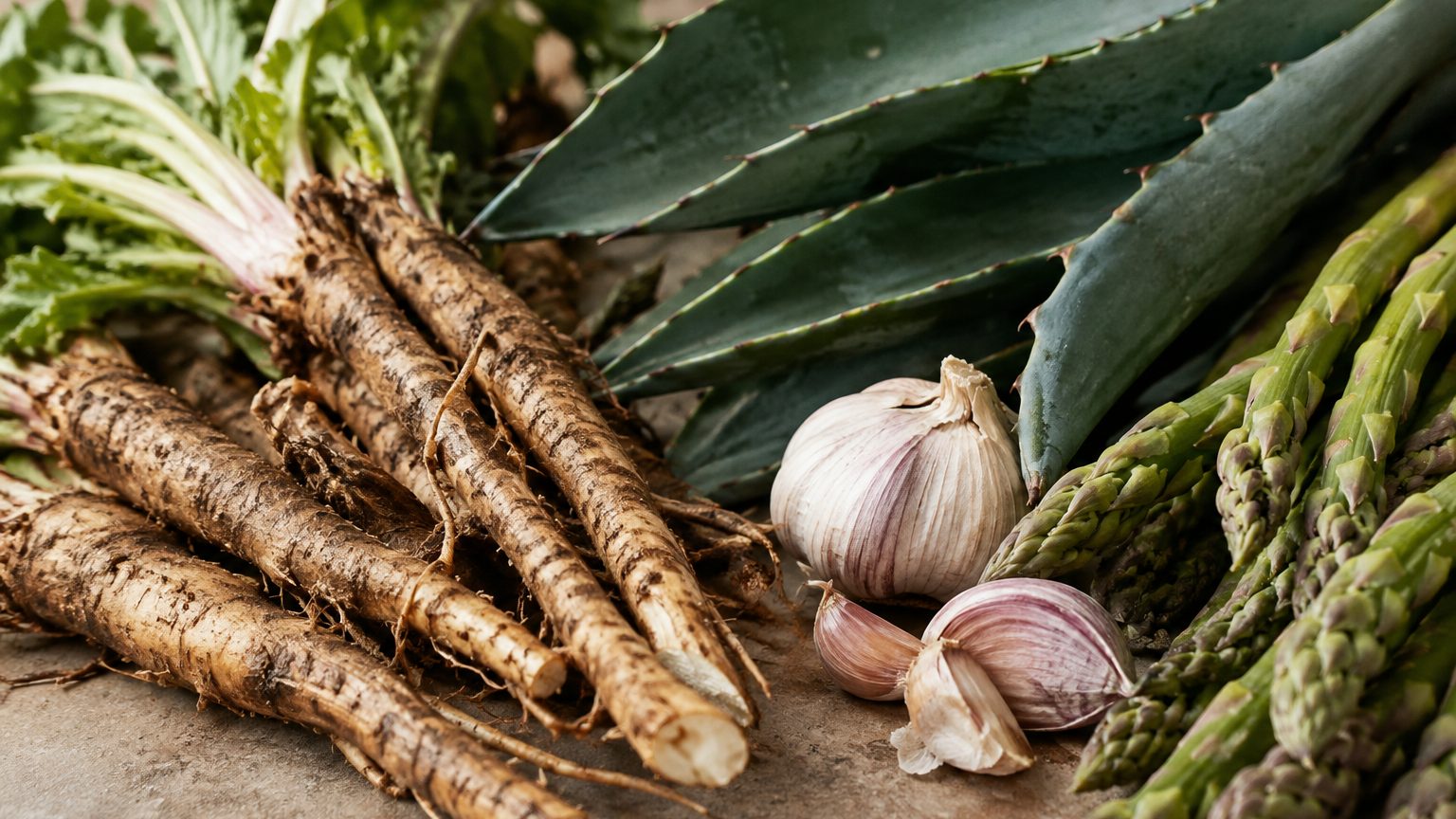
Inulin is a prebiotic fiber that feeds beneficial gut bacteria and may support regularity, digestive health, and calcium absorption. It occurs naturally in foods such as chicory root, agave, onions, garlic, and asparagus, and it is also available in fiber supplements. Its main drawback is dose-related gas or bloating, especially if you increase your intake too quickly.
Key Takeaways
- Prebiotic fiber: Inulin reaches your colon largely undigested, where beneficial bacteria ferment it.
- Food sources: Chicory root, agave, Jerusalem artichokes, onions, garlic, leeks, and asparagus naturally contain inulin.
- Research findings: Inulin consistently supports bifidobacteria, while evidence for regularity, fullness, and calcium absorption varies by person and study.
- Source differences: Agave inulin and chicory root inulin are both prebiotic, although their molecular structures differ slightly.
- Start gradually: Increasing inulin slowly and drinking enough fluid can reduce dose-related gas and bloating.
Inulin Is a Plant Fiber
Inulin is a soluble, fermentable fiber made from chains of fructose, a naturally occurring sugar. These chains are called fructans. Unlike table sugar, however, inulin is not broken into individual fructose molecules and absorbed in your small intestine.
Your digestive enzymes cannot break the chemical bonds connecting inulin's fructose units. As a result, most inulin travels intact to your colon, where resident bacteria can use it. This resistance to digestion is central to how inulin works.
Inulin occurs naturally in thousands of plants, where it serves as stored energy. Common food sources include:
- Chicory root
- Jerusalem artichokes
- Agave
- Onions and garlic
- Leeks and shallots
- Asparagus
- Dandelion greens
- Wheat
- Slightly underripe bananas
Food manufacturers also extract inulin, most often from chicory root or agave, for use in fiber powders, snack bars, baked foods, and other products. It may appear on an ingredient list as inulin, chicory root fiber, agave inulin, or agave fiber.
Although inulin is soluble in water, it is generally less viscous than fibers such as psyllium. In other words, it does not form the same thick gel. That difference matters because fibers do not all work identically. Inulin is especially valued for fermentation and its prebiotic role, while psyllium husk powder is known for absorbing water and adding structure to stool.
Why Inulin Is Prebiotic
Yes, inulin is a prebiotic. The scientific definition of a prebiotic is a substance selectively used by microorganisms living in the body that provides a health benefit, according to the International Scientific Association for Probiotics and Prebiotics consensus.
This is different from a probiotic. Probiotics are live microorganisms, while prebiotics are substances that feed certain microorganisms already living in your digestive tract. You can read more about that distinction in our overview of probiotics and gut health.
Once inulin reaches the colon, bacteria ferment it. Bifidobacteria are particularly effective at using inulin, and human trials frequently find that eating inulin or inulin-type fructans increases their abundance. An increase in one bacterial group does not automatically mean that every digestive symptom will improve, but it is a consistent biological response in the research.
Fermentation also produces short-chain fatty acids, usually shortened to SCFAs. These include acetate, propionate, and butyrate. SCFAs take part in communication between the gut, immune system, and other tissues, while cells lining the colon use butyrate as an energy source.
Chain length and structure influence where and how quickly fermentation occurs. Shorter fructan chains tend to ferment more rapidly, while longer or more highly branched chains may be used over a broader part of the colon. Your existing microbiome, usual diet, and serving size also affect the response. This helps explain why two people can take the same amount of inulin and notice different levels of gas, fullness, or changes in regularity.
What Inulin Research Supports
The clearest inulin benefit is its prebiotic activity. Across many controlled trials, inulin-type fructans increase bifidobacteria. A human study of agave inulin found that daily amounts of 5 and 7.5 grams increased bifidobacteria in healthy adults, although individual responses varied.
Research also suggests modest support for stool frequency, particularly among people who do not have frequent bowel movements. Fermentation increases bacterial mass in the colon, and fiber can help hold water in stool. However, inulin is not interchangeable with a strongly gel-forming fiber, and research does not show that every person will experience the same change in stool consistency or comfort.
Some studies have examined mineral absorption. Research on inulin-type fructans suggests they may support calcium absorption under certain conditions, including studies in adolescents. Scientists have proposed that fermentation and changes in the colon's environment may make calcium easier to absorb. This evidence is promising but depends on the population, background diet, and particular fructan used.
Fullness is another area of interest. Fermentation products may interact with appetite-related signaling, but reviews of appetite research report mixed results. Some trials find greater satisfaction after eating or reduced energy intake, while others find little difference. Inulin can be part of a fiber-rich eating pattern that helps you feel full, but it is not a stand-alone weight solution.
Research does not support treating inulin as a digestive cure, a detoxifier, or a substitute for a varied diet. It also does not establish that increasing one beneficial bacterial group produces every health outcome associated with the microbiome. For broader context on how different supplemental fibers work, see the benefits of fiber supplements.
Agave and Chicory Compared
Chicory root inulin and agave inulin are both fructans, both resist digestion in the small intestine, and both qualify as prebiotics. Neither source is universally superior. The main differences involve plant origin and molecular structure rather than one being prebiotic and the other not.
Chicory inulin usually contains mostly linear chains, meaning its fructose units form relatively straight structures. Agave inulin tends to contain more branched chains. Agave species also produce a mixture of chain lengths, which may influence how bacteria ferment the fiber through different parts of the colon.
These structural details can affect solubility, texture, fermentation rate, and which microbes use the fiber most readily. They do not let you predict your personal response with certainty. Your gut microbiome contains a unique mixture of organisms, so tolerance can differ even among people using the same source and amount.
Human research supports the prebiotic activity of both sources. Chicory-derived inulin has a larger overall research base because it has been used commercially for longer, while controlled research on agave inulin has also documented increased bifidobacteria at practical daily amounts.
For most readers, the more useful considerations are serving size, gradual introduction, ingredient transparency, and tolerance. If one source causes discomfort, a smaller amount or a slower increase may matter more than switching plant sources immediately.
How to Use Inulin
Start with naturally inulin-rich foods if they fit your diet. Onions, garlic, leeks, asparagus, and Jerusalem artichokes provide inulin alongside vitamins, minerals, and other plant compounds. Variety also exposes your gut bacteria to several types of fermentable fiber rather than relying on one ingredient.
A supplement can provide a more consistent amount. There is no single inulin dosage that suits every adult, but human studies commonly examine amounts of several grams per day. Your tolerance matters because fermentation increases as the serving rises.
If you are not accustomed to fermentable fiber, begin with less than a full serving and build toward the label direction over one or two weeks. Keep your fluid intake consistent. Rapidly adding a large amount of fiber is more likely to cause gas, pressure, or bloating than increasing it gradually.
You can take inulin at any time you tolerate consistently. Some people prefer it with or between meals, while others add powder to a morning drink or smoothie. Taking it alongside food may feel gentler for a sensitive stomach. Consistency over several weeks is more useful for assessing your response than changing the timing every day.
Your total fiber intake still matters. Check how much fiber you need per day, then count food and supplements together rather than treating them as separate goals.
For a simple daily option, LiveGood Organic Fiber provides 5,250 mg of organic agave inulin per scoop, an amount within the range used in human research, plus psyllium and pea fiber for 8 g total. Its amounts are fully disclosed, and it is USDA Organic, vegan, non-GMO, third-party tested, and heavy metal tested. At $14.95 for members or $29.95 retail for 30 servings, mix one scoop into 6 to 8 oz of water, juice, or a smoothie, between meals or 30 to 60 minutes before eating.
Side Effects and Cautions
The most common inulin side effects are gas, bloating, abdominal pressure, and changes in bowel movements. These effects occur because gut bacteria produce gas while fermenting the fiber. They are generally related to the amount consumed at one time and your usual fiber intake.
Discomfort becomes more common around or above 10 grams at once, although some people react to less and others tolerate more. A gradual increase gives your digestive system and gut microbes time to adjust. If symptoms remain uncomfortable, reduce the amount rather than assuming that more fiber will produce a better result.
Inulin is a fructan, one category included in FODMAPs. FODMAP stands for fermentable oligosaccharides, disaccharides, monosaccharides, and polyols. These short-chain carbohydrates can trigger digestive symptoms in some people with irritable bowel syndrome, or IBS. People following a clinician-directed low-FODMAP plan are usually advised to limit inulin and other fructans during the restriction phase, so check with that clinician before adding it.
Fiber can also affect how quickly certain medicines are absorbed. Anyone taking medication should separate a fiber supplement from it by at least two hours and ask a doctor or pharmacist whether a longer interval is appropriate for that specific medicine.
Speak with your doctor before using concentrated inulin during pregnancy or breastfeeding, or if you have a kidney condition, liver condition, ongoing digestive symptoms, or another existing medical condition. Children should use fiber supplements only with guidance from a pediatric clinician. Stop using the supplement and seek medical advice if you develop severe or persistent pain, vomiting, or another concerning reaction.
Frequently Asked Questions
What are the benefits of inulin?
Inulin feeds beneficial gut bacteria, especially bifidobacteria, and may support stool frequency and digestive regularity. Some research also suggests support for calcium absorption and fullness, but results vary across studies and individuals. Inulin works best as one part of a varied, fiber-rich eating pattern rather than as a quick digestive fix.
When should you take inulin?
You can take inulin at any time you tolerate consistently. Some people prefer it with food because that may feel gentler, while others mix it into a morning drink or take it between meals. Follow the product directions, increase fiber gradually, drink enough fluid, and keep it at least two hours apart from medication.
Is inulin safe to consume?
Inulin is generally well tolerated by healthy adults when introduced gradually. Gas, bloating, pressure, and bowel changes can occur, particularly with larger amounts. Ask your doctor before using concentrated inulin if you are pregnant, breastfeeding, taking medication, or managing a kidney, liver, digestive, or other existing medical condition.
Is inulin a prebiotic?
Yes, inulin is a well-established prebiotic fiber. Your digestive enzymes cannot break it down, so it reaches the colon, where bacteria such as bifidobacteria ferment it. This process also creates short-chain fatty acids that participate in normal communication within the gut and provide energy for cells lining the colon.
Why does inulin cause gas and bloating?
Inulin can cause gas because gut bacteria ferment it in the colon. Larger servings provide more material for rapid fermentation, which can increase gas and abdominal pressure. Starting with a smaller amount, increasing it over one or two weeks, and maintaining adequate fluid intake can make it easier to tolerate.
Is inulin good for your kidneys?
Research has not established inulin as a treatment for kidney conditions. Scientists are studying relationships among fermentable fiber, gut bacteria, and compounds processed by the kidneys, but that does not prove a clinical benefit. If you have reduced kidney function or another kidney condition, ask your doctor before adding concentrated inulin or changing your fiber intake.