
Organic Protein Powder Label Guide
 Written by Ben Glinsky
Ask AI about this article and Organic Complete Plant-Based Protein





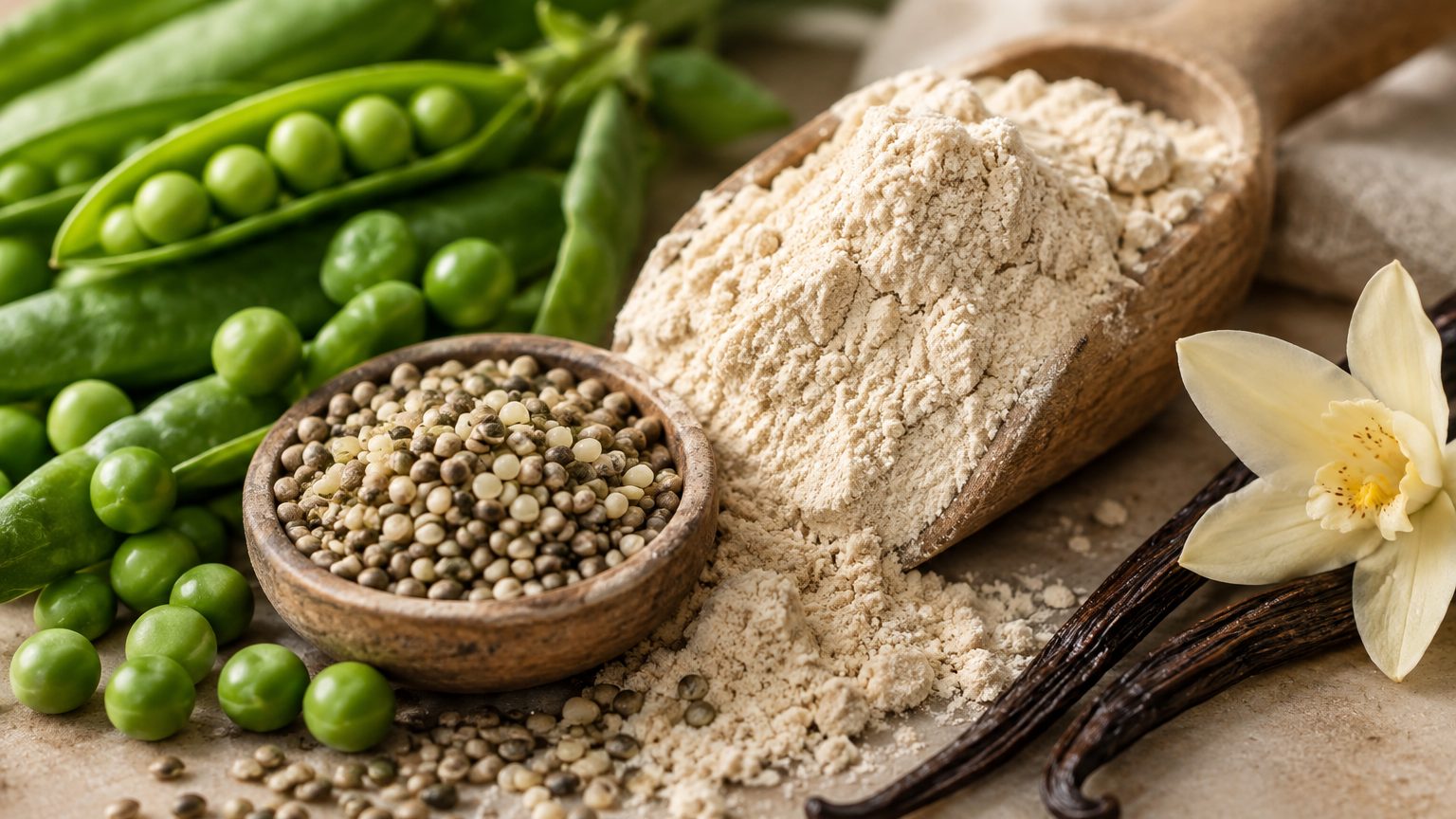
Organic protein powder can be a convenient choice, but the organic seal alone does not tell you whether a powder offers strong protein quality, contaminant testing, or good value. To find the best fit, compare protein per serving and per calorie, amino acid sources, third-party testing, added ingredients, sodium, and price.
Key Takeaways
- Organic has limits: USDA Organic addresses agricultural and processing standards, not protein quality or heavy-metal content.
- Testing matters: Look beyond a testing badge and ask whether screening includes lead, cadmium, arsenic, and mercury.
- Protein density counts: Compare grams of protein per scoop and per 100 calories, not scoop size alone.
- Amino acids vary: Pea supplies all nine essential amino acids but is relatively low in methionine.
- Read every row: Sweeteners, gums, added vitamins, sodium, serving count, and cost can meaningfully separate products.
What Organic Actually Covers
For a protein powder to carry the USDA Organic seal, at least 95% of its ingredients must be certified organic, excluding water and salt. The standard prohibits genetically modified organisms and restricts prohibited synthetic pesticides, while also requiring certification of the farms and processor involved.
That is useful information, especially if organic sourcing is one of your priorities. It is not a complete quality score. The seal does not establish how much protein you receive, whether the amino acid profile matches your needs, how easily the protein is digested, or whether the finished powder was screened for heavy metals.
Organic certification also does not mean a product has no pesticide residues or environmental contaminants. It describes how ingredients were grown and handled under a regulated production system. Contaminants can enter plants through soil, water, processing equipment, or the surrounding environment regardless of farming method.
A USDA organic protein powder can also contain sweeteners, flavors, salt, gums, and added micronutrients. Those ingredients must meet the applicable organic formulation requirements, but you still need to decide whether the complete formula suits you.
This is why phrases such as "clean protein powder" deserve scrutiny. "Clean" has no single regulated nutritional definition. A more useful buying decision comes from checking the certification, Nutrition Facts, complete ingredient list, allergen statement, testing scope, and price per serving.
Heavy Metals Need Separate Scrutiny
Plant proteins can contain naturally occurring heavy metals absorbed from soil. Lead, cadmium, arsenic, and mercury are elements rather than ingredients deliberately added to a formula, so an organic seal does not establish that they are absent.
The 2018 Clean Label Project screening and reports published in 2025 found detectable lead or cadmium in a number of plant protein powders, including some organic products. Detection alone does not tell you that a serving presents a health risk. The amount detected, serving size, frequency of use, testing method, and applicable exposure limit all matter.
Still, the findings make finished-product testing an important buying criterion. Look for third-party testing that specifically includes heavy metals, rather than assuming a general quality or purity statement covers them. A certificate of analysis, often shortened to COA, is a laboratory document showing results for a particular product or batch. The most useful COA identifies the tested lot, laboratory, analytical method, results, and comparison limits.
A "third-party tested" statement is encouraging, but it does not automatically reveal what the laboratory measured. Testing might cover identity, microbes, protein content, heavy metals, or several of these. If the company does not publish results, ask whether every production lot is screened and whether consumers can request a recent COA.
LiveGood's Complete Plant-Based Protein carries both the USDA Organic seal and third-party testing, the two checks this section recommends looking for together.
Compare Protein Quality
Start with the number of protein grams, not the physical size of the scoop. Scoops can contain flavoring, fiber, carbohydrates, fats, minerals, or other ingredients, so a larger scoop does not necessarily provide more protein.
Next, calculate protein per 100 calories:
protein grams / calories x 100
This comparison helps separate protein density from serving size. LiveGood's label lists 20 grams of protein and 101 calories per scoop, which works out to about 19.8 grams of protein per 100 calories. Its 29.15-gram scoop contains a 25.725-gram organic plant protein blend.
Source also matters. The blend lists 25.625 grams of organic pea protein and 100 milligrams of organic hemp protein. Pea protein contains all nine essential amino acids, meaning amino acids your body cannot make in sufficient amounts. However, pea is relatively low in methionine compared with several animal proteins and some complementary plant sources.
That does not make pea protein incomplete or ineffective. It means that the amount and balance of each amino acid matter, not simply whether all nine appear at any level. A varied diet containing grains, seeds, legumes, and other proteins can help provide complementary amino acids. You can read more about plant-based amino acids.
Leucine deserves attention because research on protein suggests this essential amino acid helps signal muscle protein synthesis, the process used to build new muscle protein. Many labels do not disclose leucine per serving, including this one, so you cannot confirm the amount from protein grams alone.
Finally, compare the powder with your total daily intake. Your appropriate target depends on factors such as body size, activity, age, goals, and overall diet. Use a food-first estimate of how much protein per day before deciding how much a powder needs to contribute.
Read the Rest of the Label
A buying guide should account for the entire formula, not just the protein source. Begin with carbohydrates, fat, fiber, and sugar. LiveGood's panel lists 1 gram of fat, 3 grams of carbohydrate, 1.35 grams of fiber, and 0 grams of sugar per scoop.
Then inspect sweeteners and flavoring. The other ingredients are organic vanilla flavor powder, organic Himalayan salt, organic stevia extract, and organic citric acid. Stevia provides sweetness without adding sugar, but its taste is subjective. Other powders may use monk fruit, cane sugar, sugar alcohols, or artificial sweeteners, so "organic" does not tell you what the product will taste like.
Gums and thickeners can change texture and may matter to people who prefer a shorter ingredient list. Their presence does not automatically make a formula poor quality. LiveGood's listed other ingredients do not include a gum.
Added vitamins and minerals require a separate check. The LiveGood panel lists 24 vitamins and minerals, which turns each shake into a convenient source of micronutrients as well as protein.
Examples include 20 micrograms of vitamin D3 from lichen, 10 micrograms of vitamin B12 as methylcobalamin, 200 micrograms of folate as L-methyl calcium folate, 2 milligrams of iron, 70 milligrams of magnesium glycinate, 11 milligrams of zinc, and 105 milligrams of calcium. Added micronutrients may be useful for convenience, but they can overlap with a multivitamin or fortified foods.
Check sodium as well. This formula provides 349 milligrams per serving. That is about 15% of the current 2,300-milligram Daily Value, making it relevant when comparing powders or combining a shake with other foods.
Use This Buying Checklist
Use the same checklist for every organic plant protein powder so front-label language does not drive the decision.
- Verify the organic claim. Look for the USDA Organic seal or another clearly identified certifier, rather than relying on the word "natural."
- Compare protein density. Record protein grams, calories, and protein per 100 calories.
- Identify the source. Note whether the formula uses pea, rice, hemp, soy, or a blend, then consider how it fits your overall diet.
- Check amino acid details. Give extra credit for a disclosed amino acid profile, including leucine, but do not assume every blend provides the same balance.
- Investigate testing. Ask whether third-party testing covers heavy metals, microbes, ingredient identity, and label accuracy. Look for lot-specific results where available.
- Review other ingredients. Check sweeteners, flavors, gums, allergens, sodium, and added vitamins or minerals.
- Calculate value. Divide price by servings, then compare the cost for an equal amount of protein.
Complete Plant-Based Protein contains 30 servings. At the listed prices, it costs about $1.33 per serving at the $39.95 member price or about $1.67 per serving at the $49.95 retail price. Both calculations provide 20 grams of protein per listed serving.
Also decide how many servings you actually need. More scoops are not automatically better, especially if the powder contains added micronutrients or meaningful sodium. Follow label directions and use your total food intake as the starting point. This guide to plant protein scoops per day explains the factors involved.
If you want an organic vegan option with a clearly documented serving, LiveGood's Complete Plant-Based Protein provides 20 grams of protein in a 29.15-gram scoop with 101 calories and 0 grams of sugar. Mix one scoop in water or a smoothie at least once daily, as directed on the label. Around exercise, choose a time you can repeat consistently, since total daily protein matters more than chasing a narrow post-workout window.
Who Organic Plant Protein Suits
An organic vegan protein powder can suit you if you avoid animal-derived ingredients, prefer organically sourced crops, or want an alternative to dairy protein. Plant protein may also fit households looking for a formula without soy or gluten, but those qualities are separate from organic certification and must be verified on each label.
Complete Plant-Based Protein is listed as Vegan, Non GMO, Gluten Free, Soy Free, Nut Free, Cruelty Free, Keto Friendly, GMP Certified, Organic, and Third Party Tested. GMP means Good Manufacturing Practices, a set of production and quality-control requirements. These designations answer different questions, so none should be used as a substitute for reading the complete ingredient panel.
You may prefer whey if you tolerate dairy, want a naturally leucine-rich protein, or favor a smaller ingredient list without added vitamins and minerals. Whey isolate typically contains less lactose than whey concentrate, although tolerance varies. This comparison of whether whey protein isolate is easier to digest can help you evaluate that option.
Food can also remain your primary protein source. Eggs, dairy foods, fish, meat, soy foods, beans, lentils, nuts, seeds, and grains provide protein alongside different combinations of fats, carbohydrates, fiber, and micronutrients. Powder mainly offers portability and predictable protein per serving.
If you are pregnant or breastfeeding, use prescription medication, have a kidney or liver condition, or manage another existing medical condition, ask your doctor before adding a protein powder. A clinician or registered dietitian can also help if your protein needs are unusually high or restricted.
Frequently Asked Questions
Is organic protein powder better for you?
Not automatically. Organic certification provides useful information about ingredient sourcing and processing, but it does not guarantee better amino acid balance, lower heavy-metal levels, fewer additives, or more protein. Compare the Nutrition Facts, protein source, sweeteners, sodium, testing scope, and cost alongside the organic seal.
What is the healthiest organic protein powder?
There is no single healthiest organic protein powder for everyone. A strong option should fit your dietary needs, provide substantial protein for its calories, disclose its sources, avoid ingredients you do not tolerate, and undergo relevant finished-product testing. Your total diet matters more than whether one powder wins every label comparison.
Why do some doctors advise against protein powder?
Some doctors discourage protein powder when a person already gets enough protein, has a condition affecting protein needs, or could be exposed to unwanted contaminants or excessive added nutrients. Powders also vary widely in quality. Ask your doctor before use if you take prescriptions, are pregnant or breastfeeding, or have kidney, liver, or other medical conditions.
What is a healthy protein powder?
A healthy protein powder is one that fits your nutritional needs and complements a balanced diet. Look for meaningful protein per serving, reasonable calories, a clearly named protein source, tolerable ingredients, transparent testing, and sodium and micronutrient levels that fit the rest of your routine. Organic certification can be one factor, but not the only one.
Do organic protein powders contain heavy metals?
Some organic protein powders contain detectable heavy metals because plants can absorb naturally occurring elements from soil and water. Detection does not automatically mean a serving presents a health risk, since the amount matters. Organic certification does not test for these contaminants, so ask whether finished batches receive third-party screening for lead, cadmium, arsenic, and mercury.