
How to Use an Essential Oil Diffuser
 Written by Ben Glinsky
Ask AI about this article and Essential Oils (Therapeutic Grade)





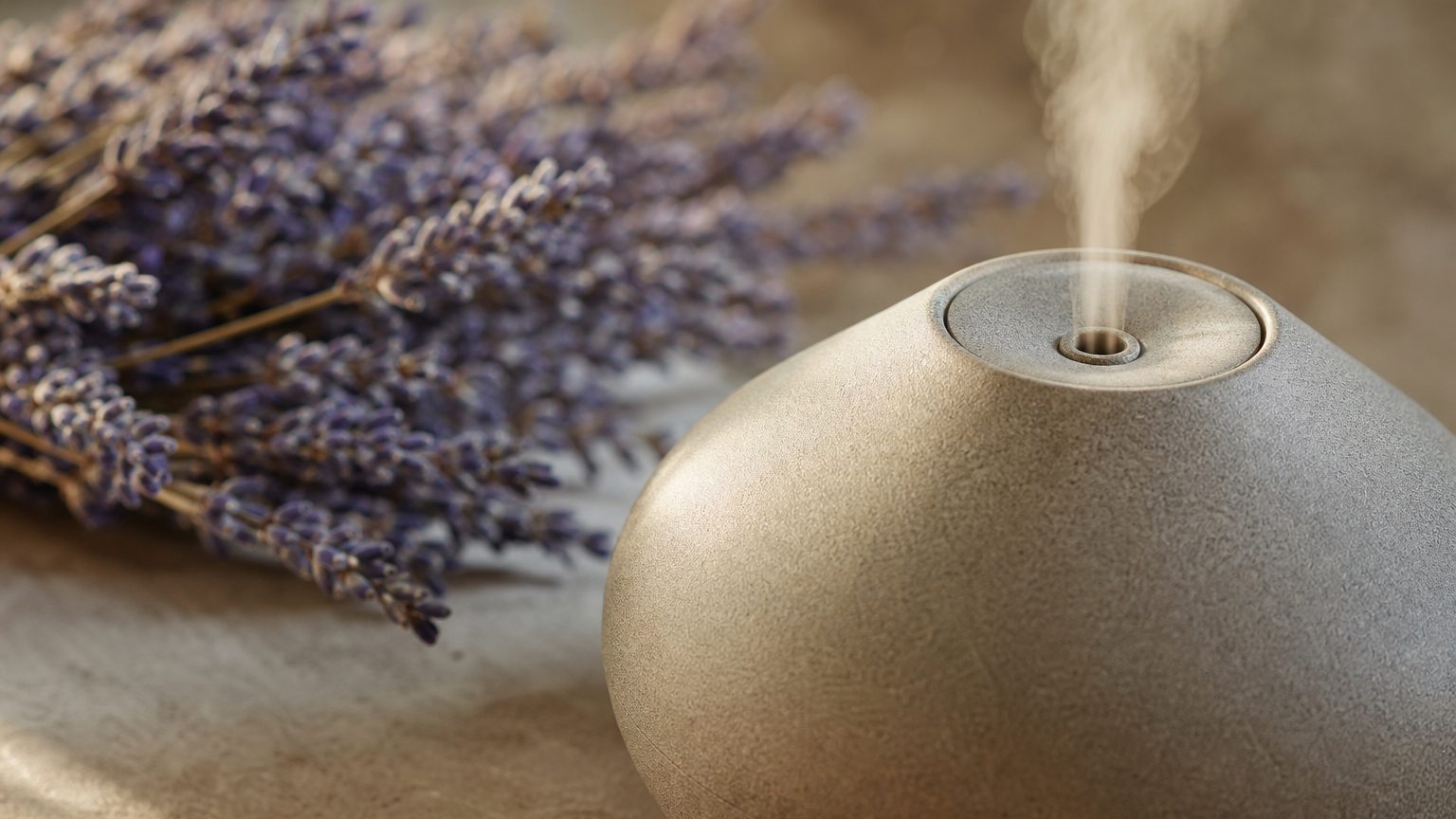
To use an essential oil diffuser, follow the instructions for your diffuser type, add only the specified water and essential oil, and run it in a ventilated room. Starting with a brief session helps you judge the aroma without making the space overwhelming.
Key Takeaways
- Check the type: Ultrasonic diffusers need water, while nebulizers and many passive diffusers do not.
- Follow both labels: Use only the amount and type of oil allowed by the diffuser and essential oil instructions.
- Start briefly: A short first session in a ventilated room helps you assess the aroma and your comfort.
- Choose placement carefully: Keep the diffuser stable, uncovered, and away from electronics, flames, children, and pets.
- Clean it regularly: Emptying and wiping the reservoir helps limit residue, stale aromas, and microbial growth.
Understand Your Diffuser Type
Before adding anything, identify which kind of diffuser you own. The word diffuser covers several devices that disperse aroma in different ways, so instructions for one type may damage another.
An ultrasonic diffuser uses rapid vibrations to turn water and small amounts of essential oil into a cool mist. You fill its reservoir to the marked water line, add oil as directed, replace the cover, and turn it on. Although it adds some moisture to the air, its small reservoir does not necessarily make it a replacement for a dedicated humidifier.
A nebulizing diffuser uses airflow to disperse undiluted essential oil. It normally has no water reservoir and can create a more concentrated aroma. An evaporative diffuser passes air over an oil-treated pad, filter, or wick. Passive ceramic, stone, and terracotta diffusers absorb oil and release the aroma slowly without electricity.
Heat diffusers warm the oil, while candle diffusers use a flame beneath a water or oil dish. Reed diffusers are different again. Reeds draw a prepared diffuser liquid upward and release its fragrance gradually.
Read the manufacturer's manual rather than assuming your device needs water. Also check whether the model limits certain thick oils, citrus oils, blends, or synthetic fragrance oils. For broader guidance on application methods and precautions, see how to use essential oils.
Use an Ultrasonic Diffuser
Place the unplugged diffuser on a flat, water-resistant surface. Remove the lid and fill the reservoir with the type of room-temperature water specified by the manufacturer, stopping at the marked fill line. Some devices allow tap water, while others recommend filtered or distilled water, so let the manual decide.
Add the essential oil only after adding water. Essential oil does not truly dissolve in water, but the diffuser's vibrations help disperse tiny droplets through the mist. Use the amount stated by the diffuser manufacturer and the oil label. Adding extra oil does not guarantee a better experience and can create an overpowering aroma or leave more residue.
Replace the lid, dry your hands and the outside of the unit, and plug it in. Select a low or intermittent setting if one is available. For your first use of an oil or blend, run the device briefly in a ventilated room and notice whether the aroma remains comfortable. Increase the session only within the manufacturer's directions.
Turn the diffuser off before moving, refilling, or opening it. When you finish, unplug it and discard leftover water unless the manual specifically says otherwise. Water sitting in the reservoir can develop a stale odor and gives oil residue more time to collect. Never submerge the base or allow water to enter its electrical opening.
For a simple diffusion routine, choose one oil, fill a compatible ultrasonic unit only to its marked water line, add oil according to both labels, and start with a brief session in a ventilated room. LiveGood Essential Oils are Therapeutic Grade Premium Essential Oils that can support a pleasant, calming ambiance when used as directed. Keep the room exit accessible, stop if the aroma feels uncomfortable, and empty the reservoir afterward.
Use Other Diffuser Types
A nebulizing diffuser generally connects a bottle or glass reservoir of essential oil directly to an air pump. Do not add water or carrier oil unless the manual explicitly calls for it. Because nebulizers disperse oil without water, start at the lowest setting and use the timer or interval controls supplied with the device.
For a fan or pad diffuser, apply oil to the replaceable pad according to the instructions, insert it, and close the unit before switching it on. Replace rather than saturate an old pad when aromas become muddy. Oils left on reusable materials can oxidize, meaning they react with oxygen and change over time.
For ceramic, stone, or terracotta diffusers, place the instructed amount on the absorbent surface and set it where drips cannot reach finished wood or fabric. These passive methods work best for a desk, bedside table, or another small personal area. A tissue or cotton pad can serve as a temporary passive method, but it still needs to stay away from children, pets, flames, and delicate surfaces.
Reed diffusers require a properly formulated reed diffuser liquid. Water and pure essential oil separate, and undiluted oil may not travel effectively through the reeds. Add the prepared liquid to the vessel, insert the recommended number of reeds, and turn them only as directed. Use gloves or wash your hands after handling wet reeds.
With a candle or heat diffuser, follow its fire-safety directions exactly. Never pour essential oil directly onto a flame, hot bulb, melted candle wax, or heating element. Heat can change the aroma, and spilled oil may be combustible.
Place and Run It Safely
Set an electric diffuser on a stable, water-resistant surface where mist can disperse into open air. Leave space around its intake and outlet, and do not place it beneath a shelf where condensation can collect. Keep mist away from walls, books, electronics, houseplants, polished furniture, and direct sunlight.
Ventilation matters because diffusion adds volatile aromatic compounds to the room air. Volatile means that a substance evaporates readily. You do not need an open window in every situation, but the room should not feel sealed or saturated. Keep the door accessible so people and animals can leave the area.
More aroma is not automatically better. Scent fatigue can make you notice an aroma less even though the diffuser is still running. Do not respond by repeatedly adding oil. Use the device's timer, follow its maximum run time, and take breaks rather than operating it continuously by default.
Stop the diffuser and move to fresh air if you experience coughing, eye or throat irritation, nausea, dizziness, or a headache. Speak with your doctor before diffusion if you are pregnant, breastfeeding, have an existing medical or respiratory condition, or take prescriptions that raise safety questions.
For a home with children or pets, ask your child's doctor or veterinarian before use. Species, age, room size, oil choice, and exposure level all matter. Birds can be especially sensitive to airborne substances. Never apply diffuser oil to an animal, add it to food or water, or trap a pet in a room with a running diffuser.
Select Oils and Blends
Use essential oils whose labels permit aromatic or diffuser use. Do not diffuse an unidentified oil, an old oil with a noticeably changed smell, or a product labeled only for another purpose. Natural does not mean irritation-free, and essential oils are highly concentrated plant extracts.
Avoid confusing essential oils with other products that contain the word oil. Carrier oils, cooking oils, fish oil, and most skin serums can clog a diffuser or leave heavy residue. CBD oil is also not an essential oil and should not go into an aromatherapy diffuser. If you use it separately, consult CBD oil dosage basics and cautions and follow its product directions.
For blends, begin with a simple combination rather than mixing many oils. Two oils with clear labels make it easier to identify which aroma you enjoy and which one may be uncomfortable. Keep a brief note of the oils used, the device setting, and the approximate session length so you can repeat a pleasant routine without guessing.
Research on lavender aroma has explored its relationship with relaxation and perceived stress, but results vary with the population, product, exposure method, and study design. This ingredient research does not prove that every lavender oil or diffuser will produce the same experience. You can read more about lavender essential oil and stress.
The phrase therapeutic grade does not have one universal government standard for essential oils. Look beyond descriptive terms and check the botanical name, usage directions, storage information, lot details, and any certifications the seller specifically documents. Keep each bottle tightly closed in a cool, dark place to slow oxidation.
Clean and Troubleshoot Your Diffuser
Unplug an electric diffuser before cleaning it. Empty the reservoir after use, then wipe the inside with a soft cloth as directed by the manufacturer. Pay attention to the ultrasonic plate, the small disc that creates vibration, because oil film on that surface can reduce mist output.
Use only the cleaning method allowed in the manual. Some manufacturers permit a small amount of diluted white vinegar or rubbing alcohol, while others warn against particular cleaners. Do not scrape the plate with metal, immerse the electrical base, or run cleaning liquid through the unit unless the instructions specifically permit it.
If the diffuser produces little or no mist, check the fill level first. Too much or too little water can affect operation. Confirm that the lid, splash guard, air intake, and power adapter are positioned correctly. Then look for oil buildup on the plate or air outlet. Thick oil and excessive oil can also interfere with mist production.
An unpleasant or muddled scent often comes from leftover oil rather than the new blend. Clean the reservoir between strongly different aromas and allow it to dry. If a musty smell returns after cleaning, stop using the device until you identify the source and follow the manufacturer's support guidance.
For reed diffusers, replace reeds that have become dusty, saturated, or unable to wick liquid. For nebulizers, clean the glass parts on the schedule in the manual because concentrated oil can accumulate inside the narrow pathways. Regular maintenance does more than improve the aroma. It also helps your diffuser operate consistently without encouraging you to compensate for weak output by adding unnecessary oil.