






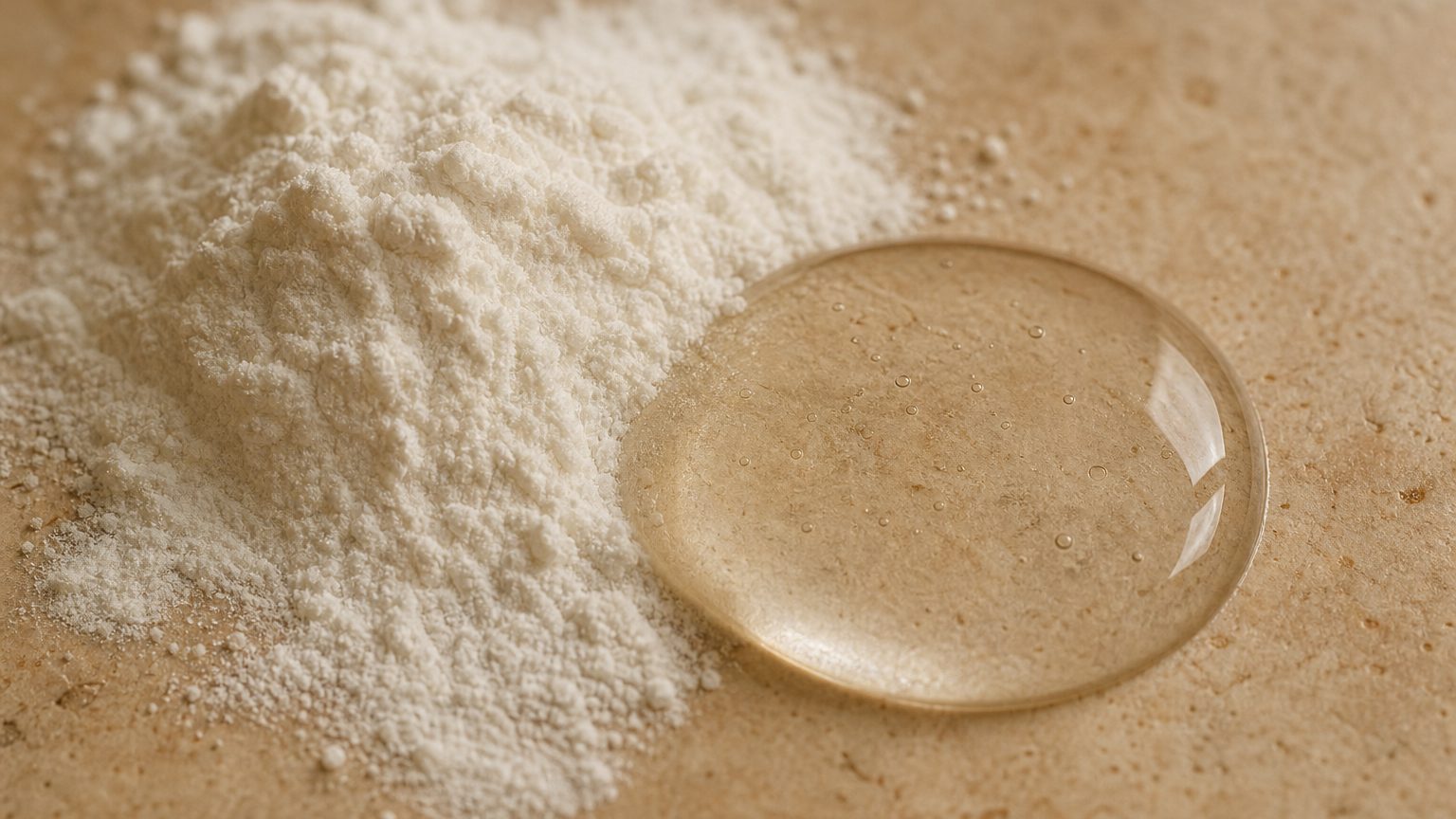
A skin tightening serum is a topical cosmetic that helps skin look temporarily firmer, smoother or more lifted. Some formulas create an immediate surface film, while others use ingredients intended to support gradual improvements in hydration, texture and elasticity. Neither type can reproduce the degree of tightening available from an in-office procedure.
Key Takeaways
- Two effect types: Some serums work within minutes through a temporary film, while others require consistent use for weeks or months.
- Appearance, not anatomy: A serum can improve the look of firmness but cannot physically lift deeper facial tissue.
- Ingredients matter: Pullulan and other film formers suit immediate effects, while retinoids, peptides and antioxidants target gradual changes.
- Application affects results: Instant formulas generally perform best in tiny amounts on clean, dry, oil-free skin.
- Marketing needs context: Words such as lifting and tightening do not tell you how long an effect lasts or what evidence supports it.
What Tightening Serum Does
Skin tightening serum is used to make the skin's surface look smoother, firmer and less creased. It is usually a lightweight liquid or gel applied to areas where fine lines, wrinkles or a less firm appearance are visible, such as under the eyes, around the brows, across the forehead or along the jawline.
The word "tightening" can be misleading if you interpret it literally. A cosmetic serum does not tighten facial muscles, reposition fat or remove excess skin. Instead, it changes how the surface looks and feels through one or more cosmetic mechanisms.
An instant serum may contain a film-forming ingredient that dries into a thin, flexible layer. As that film contracts, it can temporarily smooth small creases and create a firmer sensation. The visual result may appear within several minutes, but it usually diminishes with facial movement, moisture, skin oil or cleansing.
A gradual serum works differently. It may improve hydration, support the skin barrier or contain ingredients studied for their effects on the visible signs of skin aging. These formulas do not normally produce a dramatic change after one use. Depending on the ingredient, consistent application may be needed for several weeks before you can fairly judge the cosmetic result.
This distinction matters when reading skin tightening serum reviews. A positive review may describe an immediate filming effect, a gradual improvement in texture or simply better hydration. Those are different outcomes, so check what the reviewer actually observed and how long the product had been used.
Instant and Gradual Effects
Instant tightening serums are best understood as temporary appearance products. Film formers such as pullulan sit on the outermost skin surface and create a light mesh as they dry. Research on pullulan and its cosmetic properties supports its use as a film-forming ingredient, but that does not mean it changes the deeper structure of the skin.
The effect can be useful before photographs, events or other occasions when you want a quickly smoother appearance. Results vary with the amount applied, the condition of your skin and the products layered above or below it. Too much serum may leave visible residue, feel overly tight or cause makeup to pill into small flakes.
Gradual formulas take a longer view. Hydrating ingredients can make fine lines look softer because well-hydrated skin reflects light more evenly. Retinoids, certain peptides, vitamin C and niacinamide may support visible firmness or smoother texture through different pathways, although the quality of evidence and effective concentrations vary by ingredient and formula.
Even well-formulated gradual serums have limits. Skin appearance reflects age, genetics, cumulative sun exposure, hydration, sleep, smoking and normal changes in collagen and elastin. Collagen and elastin are structural proteins that help give skin strength and flexibility. A topical product can support your routine, but it cannot control all of those factors.
Use the promised timeline as a clue. Claims of an effect in minutes usually indicate a surface film. Products intended for gradual use should explain that consistency matters. Be cautious if one serum promises both dramatic immediate lifting and permanent structural change without clearly separating those claims.
Ingredients Worth Comparing
There is no single ingredient that makes one serum best for every person. The right choice depends first on whether you want an immediate visual effect or gradual support for firmness, hydration and texture.
For an immediate effect, look for a clearly identified film former. Pullulan is a polysaccharide, meaning a long chain of sugar molecules, used in cosmetics to form a lightweight surface film. Other formulas may use silicates, gums or synthetic polymers. These ingredients can create a fast tightening sensation, but stronger is not always better. A rigid film may crack, look chalky or feel uncomfortable on dry skin.
For gradual results, consider these commonly used ingredient groups:
- Retinoids: Research on topical retinoids supports gradual improvements in the appearance of fine lines and uneven texture, but irritation and dryness can occur.
- Peptides: These short chains of amino acids are used to support the look of firmness. Evidence is ingredient-specific, so the word "peptide" alone does not establish effectiveness.
- Vitamin C: Research on properly formulated topical vitamin C suggests support for collagen-related skin processes and a brighter, more even appearance. Stability and packaging matter.
- Niacinamide: This form of vitamin B3 supports the skin barrier, moisture retention and smoother-looking texture.
- Humectants: Hyaluronic acid and glycerin attract water, helping skin look temporarily plumper. Plumping is not the same as tightening, but it can soften the appearance of fine lines.
Check the complete ingredient list rather than relying on one featured ingredient. Fragrance, drying alcohols or multiple strong active ingredients may not suit sensitive skin. Concentration, delivery system, packaging and overall formula stability also influence performance, but brands do not always disclose all of those details.
Choosing a Good Serum
To decide what serum is best for tightening skin, begin with a specific goal. If you need a visible effect within minutes, choose an instant film-forming serum with clear application instructions. If your goal is gradual support for firmness and texture, consider a formula built around a well-studied active ingredient and expect a longer trial.
Your skin type narrows the choice. Dry skin may respond better to a formula that combines gradual active ingredients with glycerin, hyaluronic acid or barrier-supporting ingredients. Oily skin may prefer a light, non-oily texture. Sensitive skin generally benefits from a simpler formula without heavy fragrance and from introducing only one new active product at a time.
For the eye area, confirm that the manufacturer specifically directs use there. The skin around your eyes is thin, and products can migrate into the eyes as you blink or perspire. Stop using a serum if it causes persistent burning, swelling or marked redness.
If you are looking for a good Japanese serum for tightening skin, judge it by the same standards. Country of origin does not guarantee a particular result. Japanese labels may use terms such as essence, lotion or beauty liquid differently from US labels, so check the function, full ingredient list, directions and authorized seller rather than relying on the product category name.
Packaging deserves attention too. Airless pumps can help limit air exposure, while opaque containers may better protect light-sensitive ingredients. Reviews are most useful when they identify skin type, application method, wear time and whether makeup was used. A dramatic before-and-after image without consistent lighting and facial position offers limited evidence.
Applying Tightening Serum
Follow the product label because instant and gradual serums may require different routines. For most instant film-forming formulas, begin with clean, completely dry skin. Oil, rich eye cream or a damp surface can interfere with film formation and make the result uneven.
Use a very small amount and pat rather than rub unless the label says otherwise. Apply only to the areas identified in the directions, keeping the product out of your eyes. Remain still while it dries so facial movement does not interrupt the forming film. Adding more product usually increases the chance of residue rather than creating a better result.
Makeup compatibility varies. Water-heavy or oily complexion products can disturb some tightening films, while rubbing with a brush or sponge may cause pilling. Test the combination before an important event. If the label allows makeup afterward, use light tapping motions and avoid repeatedly working over the same area.
Gradual serums are usually applied according to texture and active ingredients rather than film formation. A common approach is cleanser, treatment serum, moisturizer and daytime sunscreen, but your product's directions take priority. The skincare layering order explains how texture, active ingredients and sunscreen fit together without repeating every step here.
Patch test a new cosmetic on a small area before broader use. Speak with your doctor before using active skincare if you are pregnant or breastfeeding, take prescription medicines, have kidney or liver concerns, or have an existing medical condition. Ask a pediatrician before using adult skincare products on a child.
For an instant-effect option, Instant Youth uses pullulan to support a smoother, visibly firmer look and is vegan and cruelty free. Apply a tiny amount to clean, dry skin, gently pat it under the eyes, along crow's feet or between the brows, then keep your face still for 3 to 5 minutes while it sets. Avoid applying eye cream first because oil can interfere with the film.
Setting Realistic Expectations
A good skin tightening serum should match its result to a realistic timeline. An instant film may remain noticeable for a few hours, but facial movement, humidity, perspiration, tears, skin oil and products applied over it can shorten the effect. Cleansing removes the film, so the result is not permanent.
Gradual formulas should be judged over the period supported by their active ingredients and label directions. Take a baseline photograph in indirect natural light, then use the same lighting, camera distance and facial expression for later comparisons. This reduces the chance that shadows or a raised eyebrow will look like a change in firmness.
Serums also have different limits on the face, neck and body. A face serum may spread over a small neck area if the directions allow it, but using it on the stomach or large body areas may be impractical and unsupported by the label. Body skin thickness and the degree of visible looseness can differ substantially from the delicate under-eye area.
Daily habits remain the foundation. Sunscreen helps protect skin from UV exposure, while adequate sleep, balanced nutrition and avoiding smoking support overall skin appearance. Supplements and foods should not be treated as interchangeable with topical serums. If you are interested in nutrition-related skin research, the evidence discussed in beetroot for skin and pomegranate powder for skin provides separate context without promising a topical tightening effect.
If loose or sagging skin concerns you, a board-certified dermatologist can explain the difference between cosmetics and professional procedures. Devices, injectables and surgery involve different benefits, costs and risks. A serum can support a polished appearance, but honest product selection begins with recognizing what a surface cosmetic can and cannot do.