






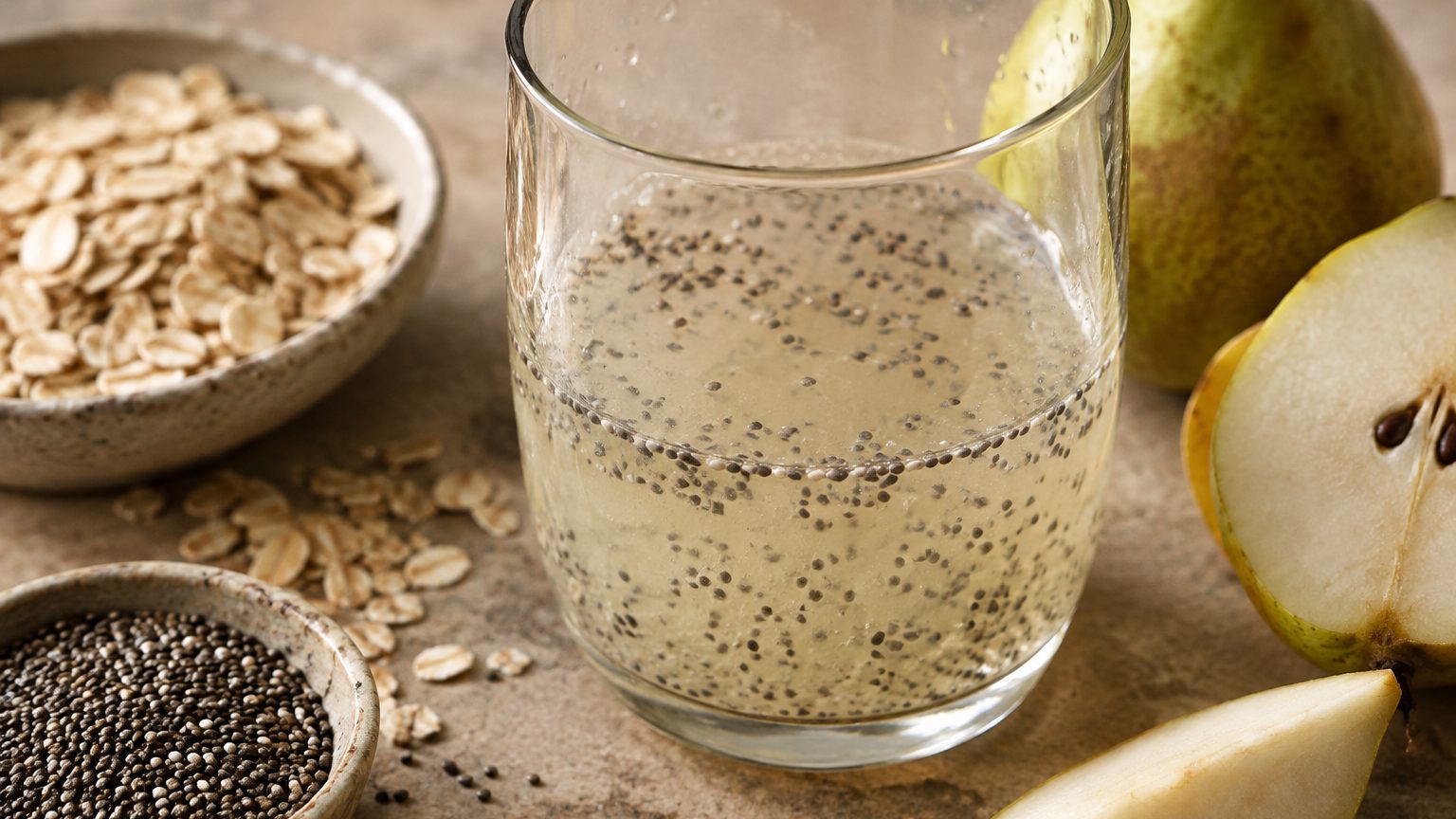
Fiber can support weight management mainly by helping you feel full, but it works as part of a consistent plan rather than as a shortcut. The strongest evidence supports fiber-rich foods and viscous fibers that absorb water, slow digestion and may make it easier to manage appetite.
Key Takeaways
- Fullness support: Fiber can add volume and slow digestion, which may help you feel satisfied longer.
- Modest results: Studies generally find small average weight effects, with substantial differences between individuals.
- Type matters: Viscous fibers such as psyllium and glucomannan have the clearest connection to short-term fullness.
- Food comes first: Vegetables, fruit, beans, whole grains, nuts and seeds provide fiber alongside other useful nutrients.
- Timing can help: Taking fiber with water 30 to 60 minutes before eating is a common approach for appetite support.
- Consistency counts: Fiber works best as a repeatable daily habit, not as a rapid weight loss method.
Fiber Can Support Weight Management
Fiber can fit a weight management plan because it changes how filling a meal feels without acting as a stimulant or fat burner. Some types absorb water and form a gel, while fiber-rich foods generally require more chewing and add volume to your plate. These features can help you feel full with a satisfying amount of food.
That does not mean eating more fiber automatically causes weight loss. Body weight still reflects your overall eating pattern, activity, sleep, health and other factors. If extra fiber is added on top of the same diet without affecting appetite or food choices, the change may have little effect on weight.
Fiber for weight loss is more useful when it helps you build a sustainable pattern. For example, beans may replace a lower-fiber side dish, berries may make breakfast more satisfying, or a fiber supplement may help bridge a consistent dietary gap. The practical benefit is appetite support, not forced calorie restriction.
It also helps to separate fullness from weight change. Fullness is a short-term feeling after eating, while body weight changes over weeks and months. A fiber may improve fullness in a meal study without producing a measurable long-term weight difference. That distinction explains why encouraging short-term findings do not always translate into dramatic results.
For a broader look at regularity, digestive support and other uses, see the benefits of fiber supplements. For weight management specifically, the realistic answer is that fiber may help, but your overall routine remains the main driver.
Fiber Changes Fullness Signals
Fiber and fullness are connected through several mechanisms. The best established is viscosity, which describes how thick a substance becomes after mixing with liquid. Viscous soluble fibers such as psyllium, glucomannan and beta-glucan can form a gel in the digestive tract. Short-term studies suggest this may slow stomach emptying and extend the feeling of satisfaction after a meal.
Fiber can also reduce the energy density of a meal. Energy density means the number of calories in a given weight of food. High-fiber foods such as vegetables, fruit and beans often contain plenty of water and volume, so they can make a meal physically larger without adding a comparable number of calories.
Chewing and eating speed matter too. An intact apple generally takes longer to eat than apple juice, even though both come from the same fruit. That extra structure gives your body more time to register the meal. This is one reason whole foods should remain the foundation even if you use a supplement.
Fermentable fibers work differently. Gut bacteria break down fibers such as inulin and produce short-chain fatty acids, which are small compounds involved in communication between the gut and the rest of the body. Early research suggests these compounds may participate in appetite hormone signaling, but scientists have not established a predictable weight outcome from this pathway. Fermentation also varies considerably among individuals.
These mechanisms overlap, but not every fiber does all of them. A fiber can be highly fermentable without being very viscous, or viscous without being heavily fermented. Looking at the fiber's physical properties gives you more useful information than simply seeing the word "fiber" on a label.
Research Shows Small Average Effects
Clinical research supports a measured conclusion: increasing fiber can help with weight management, but average effects are usually modest. In a 2015 randomized trial published in Annals of Internal Medicine, adults with metabolic syndrome were assigned either a simple goal of eating at least 30 grams of fiber daily or a more detailed eating plan. Both groups experienced modest weight changes over 12 months, and the difference between the approaches was not substantial.
That study is useful because it tested a simple behavioral target rather than a tightly controlled feeding program. It suggests that focusing on fiber can be an approachable strategy for some people. It does not show that fiber alone guarantees weight loss, and the participants still made broader food choices while trying to reach the goal.
A systematic review and meta-analysis of viscous fiber trials also found small average improvements in body weight measures. A meta-analysis combines results from multiple studies to estimate an overall effect. The averages can hide wide variation, however. Fiber type, study length, baseline diet, consistency and whether participants changed other habits all affect results.
Research on individual fiber supplements is mixed. Some trials report improved fullness or small changes in weight-related measurements, while others find little difference from a placebo. Short studies may capture appetite changes but miss longer-term adaptation. Longer studies better reflect real life, but adherence becomes harder to measure.
The evidence therefore supports fiber as one useful tool. It does not support promises that a fiber supplement for weight loss will work independently of your diet and routine. A better question than "Will this make me lose weight?" is "Will this help me follow a satisfying eating pattern consistently?"
Fiber Type Changes Its Effect
The best fiber for appetite is usually one that forms a viscous gel, agrees with your digestive system and can be used consistently. Soluble and insoluble are useful categories, but they do not tell the whole story. Viscosity, fermentability and water-holding ability provide more detail about how a fiber behaves.
| Fiber type | Examples | Primary role |
|---|---|---|
| Viscous soluble fiber | Psyllium, glucomannan, beta-glucan | Forms a gel and may extend fullness |
| Fermentable fiber | Inulin and certain resistant fibers | Feeds beneficial gut bacteria |
| Less fermentable bulking fiber | Some cellulose-rich plant fibers | Adds stool bulk and supports regularity |
| Whole-food fiber | Beans, oats, berries, chia and vegetables | Combines several fibers with water and nutrients |
In a glucomannan vs psyllium comparison, both absorb water, but they are not interchangeable. Glucomannan is a highly water-absorbing fiber from konjac root. Studies have produced inconsistent weight management results, despite its strong thickening ability. Psyllium forms a viscous gel and is only lightly fermented, which may make its digestive effects more predictable for some people. Research on psyllium and appetite is still variable, so neither fiber guarantees a particular outcome.
Inulin has a different role. It is a prebiotic fiber, meaning beneficial gut bacteria can use it as a food source. It does not create the same thick gel as psyllium, but it can support the gut environment. Read more about inulin fiber and the distinct ways it behaves.
A blend can provide complementary functions. One fiber may contribute viscosity, another fermentation and another bulk. That does not make the blend a substitute for fiber-rich meals, but it can make a supplement more versatile than a single isolated ingredient. If psyllium is your main interest, this overview of psyllium husk powder explains its use in more detail.
Use Fiber Consistently and Gradually
Start with food because whole foods supply vitamins, minerals, water and plant compounds along with fiber. Beans, lentils, oats, barley, berries, pears, vegetables, nuts and seeds can all contribute. Spreading these foods across meals is often more comfortable than trying to add a large amount at once.
There is no special daily fiber amount that guarantees weight loss. General nutrition guidance commonly uses 14 grams per 1,000 calories, and the Daily Value on US food labels is 28 grams. Your needs can vary with total food intake and health circumstances. This daily fiber guide explains how to assess your usual intake.
If you use a supplement for appetite support, 30 to 60 minutes before a meal with water is a common approach. Water matters because viscous fiber needs liquid to hydrate and thicken. Follow the label rather than improvising a larger serving, and allow time to see how the product fits your routine. Increasing overall fiber too quickly can cause gas, bloating or abdominal discomfort.
LiveGood Organic Fiber provides 8 grams of dietary fiber, or 29% of the Daily Value, in one scoop. Its fully disclosed formula contains 5,250 mg organic agave inulin powder, 1,500 mg organic psyllium husk, 1,500 mg organic pea fiber powder, and smaller amounts of organic baobab, chia, apple cider vinegar powder, Ceylon cinnamon, lemon, ginger and turmeric. Each amount appears on the label, with no hidden proprietary blend.
The product is USDA Organic, vegan, non-GMO, soy free, gluten free, keto friendly, third-party tested and heavy metal tested. With 30 servings, it costs about $0.50 per serving at the $14.95 member price or about $1.00 per serving at the $29.95 retail price.
For a convenient daily option, LiveGood Organic Fiber combines psyllium, inulin, pea fiber and other plant-based ingredients to support fullness, regularity and digestive health. Mix one scoop into 6 to 8 ounces of water, juice or a smoothie. Use it between meals or 30 to 60 minutes before eating, and mix it well. Many people also take it first thing in the morning as part of a consistent routine.
Some People Should Check First
More fiber is not always more comfortable. Gas, bloating and changes in bowel habits can occur when you increase fiber quickly, especially with fermentable fibers such as inulin. Gradually increasing fiber-rich foods, drinking adequate fluid and monitoring your response can make the adjustment easier.
If you have irritable bowel syndrome, often shortened to IBS, different fibers may produce very different responses. Fermentable fiber can be useful for some people but uncomfortable for others. Psyllium is often tolerated differently from inulin because it is less fermentable. Work with your doctor or a registered dietitian if digestive symptoms are persistent, severe or difficult to interpret.
People using GLP-1 medications should also speak with their prescribing clinician before adding a concentrated fiber product. These medications can slow stomach emptying, and viscous fiber may add to feelings of prolonged fullness or digestive discomfort. Your clinician can consider your symptoms, medication plan and total fiber intake.
Fiber can affect how some medications are absorbed. Anyone taking medication should separate a fiber supplement from it by at least two hours and ask a doctor or pharmacist about the specific prescription. Do not change medication timing or dosage without professional guidance.
Talk with your doctor before using a fiber supplement if you are pregnant or breastfeeding, have a kidney or liver condition, have an existing medical condition, or are considering it for a child. Seek prompt medical care for severe abdominal pain, vomiting, trouble swallowing, or an inability to pass stool or gas.
For most adults, the useful strategy is straightforward: build meals around fiber-rich foods, use a supplement only where it makes the routine easier, drink enough fluid and judge progress over months rather than days. Fiber supports a healthy appetite, but consistency across your full routine determines how useful that support becomes.
Frequently Asked Questions
Does fiber help you lose belly fat?
Fiber cannot target belly fat specifically. It may support overall weight management by helping you feel full and making satisfying eating patterns easier to maintain. Changes in abdominal fat depend on overall weight change, activity, sleep, genetics and health factors. Be cautious of any food or supplement that promises fat loss from one part of your body.
What fiber is best for weight loss?
Viscous fibers such as psyllium, glucomannan and beta-glucan have the clearest evidence for short-term fullness. However, no single fiber guarantees weight loss. The most useful option is one you tolerate, take with adequate water and use consistently alongside fiber-rich foods. Psyllium and glucomannan research has produced mixed long-term weight results.
How much fiber do you need a day to lose weight?
No specific fiber intake guarantees weight loss. General guidance commonly recommends about 14 grams per 1,000 calories, while the US Daily Value is 28 grams. A clinical trial using a 30-gram daily target found modest weight changes over 12 months. Increase intake through food when possible and follow supplement label directions.
Can a fiber supplement reduce appetite?
A viscous fiber supplement may help you feel full by absorbing water and forming a gel in the digestive tract. The effect varies by fiber type and individual. Taking it with water 30 to 60 minutes before a meal is a common research and label-based approach, but it should support rather than replace balanced meals.
What are signs you may need more fiber?
Possible signs include infrequent stools, hard stools, straining, low intake of plant foods, meals that feel unsatisfying and difficulty reaching the fiber Daily Value. These signs are not specific to fiber deficiency and can have other causes. Persistent pain, bleeding, vomiting or major bowel changes should be discussed with your doctor.
Does fiber make you poop?
Fiber can support regularity, but different types work in different ways. Some fibers hold water and soften stool, while others add bulk or feed beneficial gut bacteria. Results depend on your current intake, hydration and digestive health. Increasing fiber too quickly may cause gas or bloating, so food-based changes are often easier when made gradually.