
Sugar Free Fiber Supplement Label Guide
 Written by Nauder Khazan
Ask AI about this article and Organic Fiber





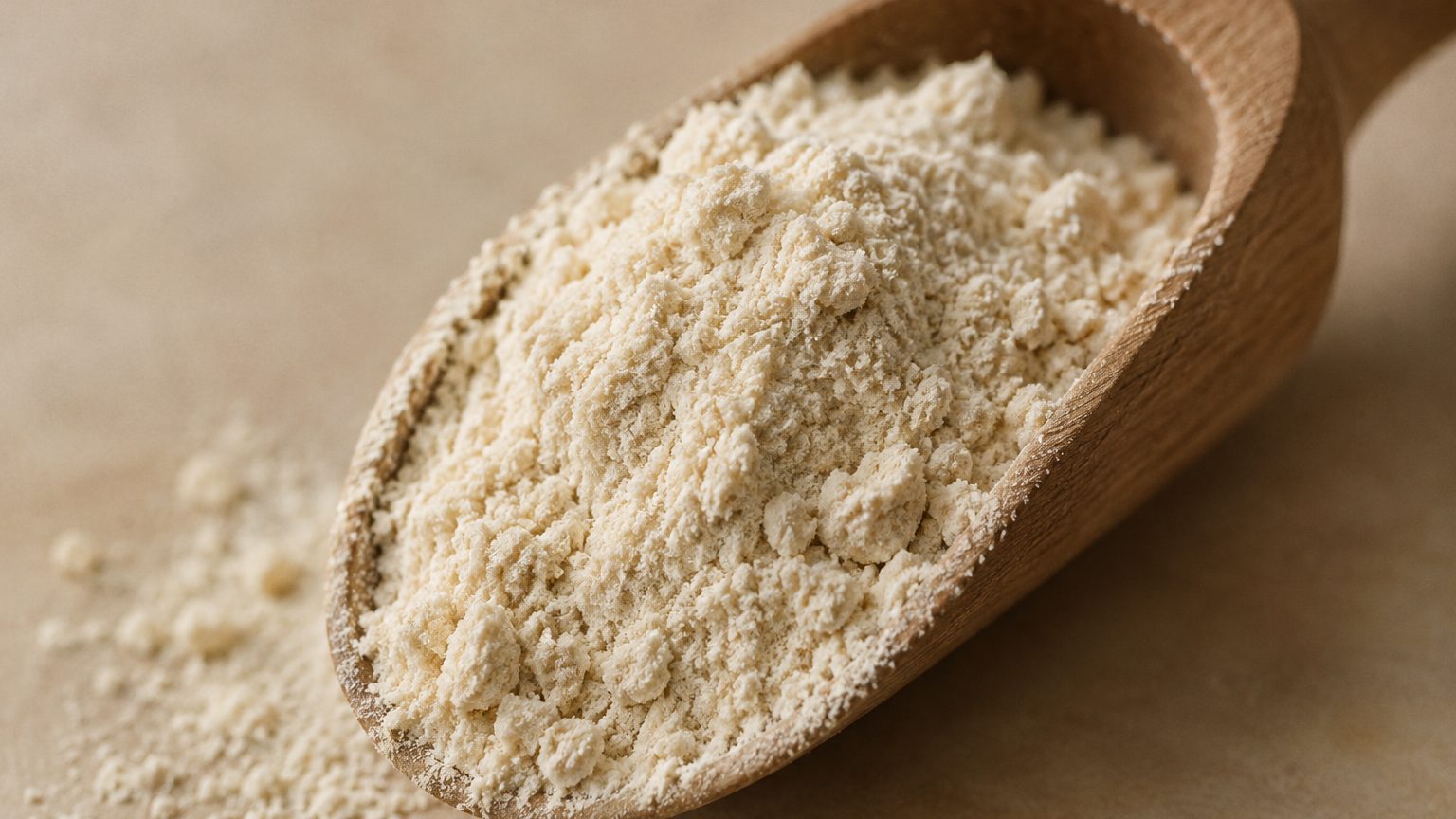
A good sugar free fiber supplement should provide a meaningful amount of clearly identified fiber without unwanted sweeteners or fillers. Check whether the label says "sugar free" or "no sugar added," because those terms do not mean the same thing. Fiber source, serving size and your digestive tolerance matter more than sweetness alone.
Key Takeaways
- Terms differ: Sugar free and no sugar added have distinct meanings under US labeling rules.
- Check sweeteners: Aspartame, sucralose, stevia, monk fruit and sugar alcohols can appear in sweetened fiber powders.
- Fiber type matters: Psyllium, inulin and plant fibers behave differently in water and in your digestive system.
- Read amounts: Compare grams of dietary fiber per serving, ingredient amounts and the number of servings.
- Start consistently: Follow label directions, drink enough fluid and give your routine time to settle.
Sugar-Free Label Terms
On a US nutrition label, "sugar free" generally means a product contains less than 0.5 gram of sugar per labeled serving and reference amount. It does not automatically mean carbohydrate free, calorie free or appropriate for every low-carbohydrate eating plan. Fiber is a carbohydrate, so a fiber powder can have substantial total carbohydrate while containing little or no sugar.
"No sugar added" means sugar or an ingredient containing added sugar was not added during processing. A no-sugar-added product can still contain naturally occurring sugar from fruit or another plant ingredient. Conversely, a sugar-free product may use a high-intensity sweetener to create a sweet taste without adding enough sugar to exceed the labeling threshold.
The distinction matters while shopping. Someone searching for a sugar free fiber supplement may actually want a fiber supplement without aspartame, a completely unsweetened powder or simply a formula that does not add table sugar. Those are separate label questions.
The LiveGood Organic Fiber label carries a no sugar added seal. That is the accurate claim to use for this formula, rather than treating "sugar free" and "no sugar added" as interchangeable. Its Nutrition Facts panel lists 35 calories, 7 g total carbohydrate and 8 g dietary fiber, or 29% of the Daily Value, per scoop. You can review the formal definitions in the FDA nutrient content claim regulation.
Sweeteners and Fillers
Many sugar-free fiber drinks are flavored so that the powder tastes more like a beverage. Depending on the formula, sweetness may come from aspartame, sucralose, acesulfame potassium, stevia or monk fruit. The words "sugar free" alone do not tell you which one is present, so you still need to read the ingredient list.
If you want a fiber supplement no artificial sweeteners are added to, look beyond the Nutrition Facts panel. Aspartame, sucralose and acesulfame potassium should appear by name in the ingredients. Stevia and monk fruit are plant-derived alternatives, but they still create a sweet flavor that some people would rather avoid.
Sugar alcohols such as erythritol, sorbitol and xylitol are another category. They contribute fewer digestible carbohydrates than sugar, but some people experience gas, bloating or loose stools after consuming them. Combining a large amount of fiber with a poorly tolerated sugar alcohol may make it difficult to tell which ingredient caused the discomfort.
Also look for maltodextrin and dextrose. Maltodextrin commonly serves as a carrier, bulking agent or texture aid and can contribute digestible carbohydrate. Dextrose is a form of sugar. Their presence does not automatically make a product unsuitable, but the ingredient list helps you understand what you are buying.
If your priority is an unflavored fiber powder, choose by the actual flavor description and ingredient list, not by a sugar-free claim. Unflavored and unsweetened are useful terms, but neither guarantees that a product contains only one ingredient.
Fiber Type Matters Most
Once you have checked the sweeteners, focus on the fiber itself. Soluble fiber disperses or dissolves in water, while insoluble fiber generally adds physical bulk. Some soluble fibers are viscous, meaning they form a thicker gel, and some are fermentable, meaning gut bacteria break them down and produce compounds called short-chain fatty acids.
Psyllium is a gel-forming fiber that absorbs water and supports regularity and stool consistency. It thickens quickly, so preparation and fluid intake matter. You can read more about psyllium husk powder if you are comparing single-fiber products with blended formulas.
Inulin is a soluble, fermentable fiber that feeds beneficial gut bacteria, which is why it is often called a prebiotic. A prebiotic is a substance used by beneficial microorganisms in the digestive tract. Some people tolerate inulin well, while others notice gas when they increase it quickly. Our inulin fiber overview explains that distinction in more detail.
Pea fiber, chia and fruit-derived fibers can broaden a blend's texture and mixture of plant components. A multi-source formula may appeal to you if you prefer a varied plant-based blend instead of relying on one isolated fiber.
The best choice depends on your goal and tolerance. A sugar free Metamucil alternative might be a psyllium-based powder, but it could also be a broader blend if you want fermentable and plant-based fibers together. For a wider look at what supplements can realistically support, see the benefits of fiber supplements. Supplements support a fiber-rich routine rather than replacing vegetables, legumes, fruit, seeds and whole grains.
Use a Label Checklist
Start with dietary fiber per serving, not the size of the scoop. Powders can contain flavoring agents, carriers and other ingredients, so two equal-sized scoops may provide different amounts of actual fiber. Then check how many servings the container provides and calculate the cost per serving.
LiveGood Organic Fiber provides 8 g of dietary fiber per one-scoop serving, with 30 servings per container. At $14.95 for members and $29.95 retail, that works out to about $0.50 per member serving or $1.00 per retail serving.
The formula fully lists the amount of each included ingredient:
| Ingredient | Amount per scoop |
|---|---|
| Organic agave inulin powder (Agave tequilana) | 5,250 mg |
| Organic psyllium husk (Plantago ovata) | 1,500 mg |
| Organic pea fiber powder (whole pea) | 1,500 mg |
| Organic baobab fruit powder | 375 mg |
| Organic chia seed powder | 375 mg |
| Organic apple cider vinegar powder, standardized to 5% acid | 250 mg |
| Organic Ceylon cinnamon bark | 100 mg |
| Organic lemon fruit powder | 100 mg |
| Organic ginger root | 100 mg |
| Organic turmeric root | 100 mg |
This combination gives the formula several complementary roles. Inulin feeds beneficial gut bacteria, psyllium absorbs water, and pea, baobab and chia contribute additional plant-based fiber components. The other disclosed botanicals round out the plant-based formula.
Also verify certifications rather than assuming they apply to every product from a brand. LiveGood lists USDA Organic, vegan, non-GMO, soy free, gluten free, keto friendly, no sugar added, third-party tested and heavy metal tested. It is made in the USA. For more help comparing fermentable ingredients and label claims, use this prebiotic fiber supplement guide.
Mix Fiber Without Sugar
Plain water is the simplest mixing option because it adds no sugar or calories. Add the powder to the recommended amount of water, stir or shake thoroughly and drink it before it becomes too thick. Some fibers, especially psyllium, continue absorbing water after mixing.
An unflavored fiber powder can also work in coffee, smoothies or oats if its directions allow those uses. A smoothie can mask texture, but fruit, juice, sweetened milk alternatives and flavored yogurt may add sugar. If sugar intake is your priority, check every ingredient in the finished drink rather than evaluating the fiber powder alone.
For keto fiber supplement shopping, remember that many people calculate net carbohydrates by subtracting dietary fiber from total carbohydrate. Labels and individual ingredients can be more complicated than that simple equation, so use the full Nutrition Facts panel and serving size. A keto-friendly seal offers useful product-specific guidance, but it does not make serving size irrelevant.
Consistency generally matters more than choosing a perfect hour. Follow the product directions, use enough liquid and avoid taking extra scoops to make up for a missed day. If your usual diet is low in fiber, a sudden increase may cause temporary gas or fullness as your digestive system adjusts.
LiveGood Organic Fiber provides 8 g of fiber per scoop for digestive health and regularity support, with 35 calories, no sugar added and a keto friendly seal. Mix one scoop into 6 to 8 oz of water, juice or a smoothie. Take it between meals or 30 to 60 minutes before eating to help you feel full, or use it first thing in the morning as part of a consistent routine.
Who Should Check First
Fiber supplements are not suitable for every situation without individual guidance. Talk with your doctor before using one if you are pregnant or breastfeeding, have a kidney or liver condition, have an existing medical condition, or are choosing a product for a child. Ask a veterinarian before giving any human supplement to a pet.
Fiber can affect how some medications are absorbed. Anyone taking medication should separate fiber from it by at least two hours and confirm the timing with a doctor or pharmacist. This is especially relevant if your prescription has precise timing instructions or needs to be taken with or without food.
Seek medical guidance before supplementing if you have trouble swallowing, unexplained abdominal pain, ongoing vomiting, a suspected intestinal blockage or a major change in bowel habits. Do not try to manage persistent diarrhea or constipation simply by repeatedly increasing fiber. Those symptoms can have many causes, and more fiber is not always the appropriate response.
Tolerance also varies by fiber type. Highly fermentable fibers can produce more gas in some people, while gel-forming fibers require adequate fluid. Follow label directions rather than combining several full servings of different fiber products at once.
A careful buying decision comes down to five points: the exact sugar claim, the sweetener list, the named fiber sources, fiber grams per serving and personal tolerance. Certifications and price per serving can then help you choose between otherwise suitable options.
Frequently Asked Questions
What has fiber but no sugar?
Psyllium husk, some unflavored fiber powders and certain isolated plant fibers can provide fiber with little or no sugar. Whole foods such as leafy vegetables, seeds and some nuts can also be high in fiber and relatively low in sugar. Check the Nutrition Facts panel because "no sugar added" and "sugar free" have different regulatory meanings.
Does sugar free mean a fiber supplement has no carbohydrates?
No, sugar free does not mean carbohydrate free. Dietary fiber is included within total carbohydrate, even though your body does not digest it in the same way as sugar or starch. A sugar-free powder may also contain sugar alcohols, carriers or other carbohydrates, so compare total carbohydrate, dietary fiber and serving size.
How do I find a fiber supplement without aspartame?
Read the complete ingredient list and look specifically for aspartame. You may also see sucralose, acesulfame potassium, stevia, monk fruit or sugar alcohols in sweetened products. If you want no sweeteners at all, look for an unflavored or unsweetened formula and confirm that preference against the ingredients rather than relying only on a sugar-free claim.
Can a sugar-free fiber supplement fit a keto diet?
It can, depending on its full Nutrition Facts panel, ingredients and serving size. People following keto commonly subtract dietary fiber from total carbohydrate when estimating net carbohydrates, but the sugar-free claim alone does not establish keto suitability. Look for a keto-friendly seal on the label and account for anything else mixed with the powder.
Should I take fiber supplements if I have diarrhea?
Not without considering the cause and fiber type. Some soluble, gel-forming fibers support stool consistency, but fermentable ingredients or sugar alcohols may worsen gas or loose stools for some people. Contact your doctor if diarrhea is persistent, severe, unexplained or accompanied by pain, fever, dehydration or blood, and ask before using a supplement for an existing condition.
What is the best fiber for a diabetic to take?
There is no single best fiber for every person with diabetes. Psyllium, inulin and other fibers differ in viscosity, fermentability and digestive tolerance, while sweeteners and digestible fillers also vary among products. Because diabetes is an existing medical condition and medications may be involved, ask your doctor or pharmacist which type and timing fit your care plan.