
Prebiotic Fiber Supplement Buying Guide
 Written by Nauder Khazan
Ask AI about this article and Organic Fiber





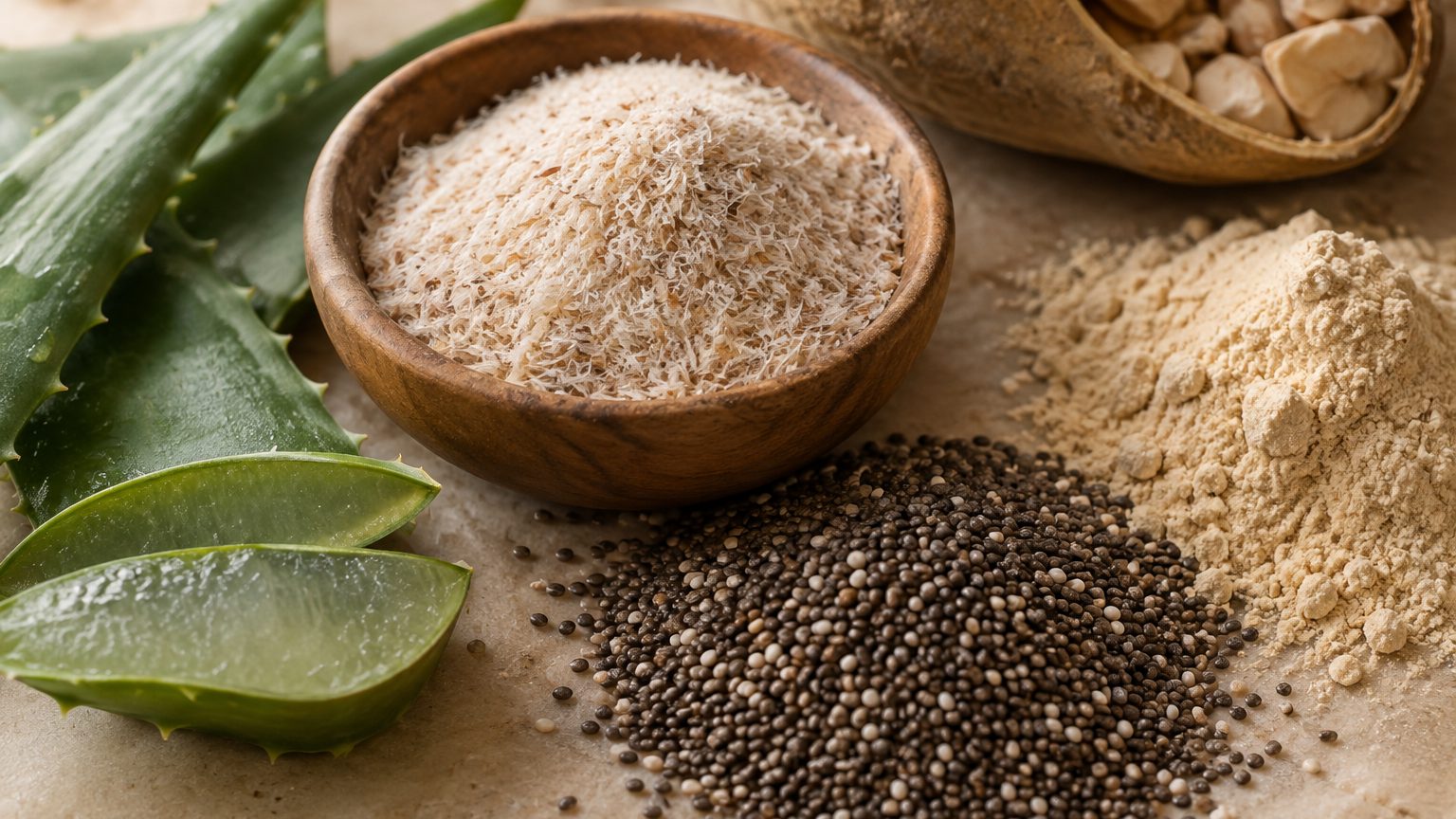
A prebiotic fiber supplement should provide a clearly identified fiber that beneficial gut bacteria can use, ideally with the amount disclosed. Inulin, fructooligosaccharides, galactooligosaccharides, and resistant starch have the strongest recognition, while other fibers may support regularity without qualifying as prebiotics.
Key Takeaways
- Check the fiber: A prebiotic must be selectively used by gut microorganisms and provide a health benefit.
- Read the amount: Look for named prebiotic fibers with grams or milligrams listed, not just a proprietary blend.
- Know the difference: Prebiotics feed beneficial bacteria, probiotics provide live microorganisms, and synbiotics combine both.
- Expect adjustment: Gas or bloating can occur when you increase fermentable fiber too quickly.
- Consider the formula: A useful supplement can combine prebiotic fiber with other fibers that support regularity and fullness.
What Makes Fiber Prebiotic
Not every dietary fiber is a prebiotic. The scientific definition describes a prebiotic as a substance that microorganisms in your body selectively use in a way that provides a health benefit, according to the International Scientific Association for Probiotics and Prebiotics consensus.
That definition sets a higher bar than simply being soluble or fermentable. A qualifying fiber must reach the relevant microorganisms, be used selectively, and have research connecting that process with a beneficial outcome.
The best-established or well-studied options include:
- Inulin and fructooligosaccharides, usually shortened to FOS
- Galactooligosaccharides, usually shortened to GOS
- Resistant starch
- Partially hydrolyzed guar gum
- Certain beta-glucans, depending on their source and structure
Inulin is commonly extracted from chicory root, Jerusalem artichoke, or agave. You can read more about how inulin works. Gut bacteria ferment it, producing compounds called short-chain fatty acids that help support the intestinal environment.
Psyllium illustrates why the distinction matters. It is a valuable soluble fiber that absorbs water and supports regularity, but it is only lightly fermented and is not usually classified as a prebiotic. Psyllium husk powder can still contribute meaningfully to a broad fiber formula. Baobab fruit pulp also contains soluble fiber, although its prebiotic research remains emerging rather than established.
Prebiotic vs Probiotic
A prebiotic and a probiotic serve different roles. A prebiotic is a substance used by beneficial microorganisms, while a probiotic contains live microorganisms intended to provide a health benefit when consumed in an adequate amount.
Put simply, a probiotic supplies specific microorganisms, and a prebiotic provides material that selected microorganisms can use. Neither term automatically means a product is effective. For probiotics, the strain, viable count, storage conditions, and research matter. For prebiotics, the fiber type and amount matter. Our probiotics and gut health explainer covers those distinctions in more detail.
A synbiotic combines probiotics and prebiotics. Under the formal synbiotic consensus definition, the combination should have evidence supporting the microorganisms, substrate, or their complementary action. On everyday labels, however, the word often simply indicates that both are present.
LiveGood Probiotic Gut Support pairs 60 billion colony-forming units, or CFU, from 10 strains with a 150 mg prebiotic complex containing 75 mg blue agave inulin and 75 mg Jerusalem artichoke root. This fully disclosed combination gives shoppers who prefer capsules both probiotic strains and accompanying prebiotic ingredients. A dedicated prebiotic fiber supplement serves a different purpose because it can provide fiber in gram-level quantities.
What Research Supports
Research on prebiotic ingredients suggests that they can influence the composition or activity of the gut microbiome, the community of microorganisms living in your digestive tract. Inulin-type fructans, for example, often increase certain bacteria, including bifidobacteria. That change is measurable, but a higher count of one bacterial group does not automatically translate into the same noticeable result for every person.
Research on inulin-type fibers also suggests benefits for stool frequency and consistency in some groups. A meta-analysis of chicory inulin trials found improvements in bowel function, although results varied by dose, study population, and starting diet. Other research examines fullness, mineral absorption, and metabolic markers, but those findings are not equally consistent.
Prebiotic studies commonly use about 3 to 10 grams daily, though the amount varies with the ingredient and outcome being studied. This is research context, not a universal dose recommendation. Your response also depends on your usual fiber intake, microbiome, food choices, and how quickly you introduce fermentable fiber.
You may notice digestive changes within days, but two to four weeks of consistent use gives you a better basis for judging tolerance and routine benefits. Prebiotic fiber benefits do not include guaranteed fat loss or a specific change in waist size. Fiber may help you feel full as part of a balanced eating pattern, but no supplement can target belly fat.
How to Compare Labels
The best prebiotic fiber is the one that identifies a researched ingredient, provides a meaningful disclosed amount, fits your diet, and remains comfortable enough to use consistently. Use this checklist rather than relying on the word "prebiotic" on the front of a container.
- Find the named prebiotic. Look for inulin, FOS, GOS, resistant starch, or another recognized option. "Fiber blend" alone does not tell you what beneficial bacteria receive.
- Check the exact amount. A label should disclose how much of each key ingredient or blend you receive. Do not assume total dietary fiber equals prebiotic fiber.
- Look at the wider formula. Psyllium, pea fiber, chia, and similar ingredients can support regularity, stool bulk, or fullness even when they are not classic prebiotics.
- Review added ingredients. Check sugars, sweeteners, flavors, allergens, and whether the product fits your dietary preferences.
- Confirm relevant testing. Certifications and testing should appear on the product page rather than being assumed across an entire brand.
- Calculate each serving. Divide the container price by the number of servings instead of comparing package prices alone.
LiveGood Organic Fiber offers full ingredient disclosure across 10 plant-based ingredients. One scoop, about 9.65 grams, provides 8 grams of dietary fiber, or 29% of the Daily Value, in 35 calories. Its formula includes 5,250 mg organic agave inulin, 1,500 mg organic psyllium husk, 1,500 mg organic whole-pea fiber, and 375 mg each of organic baobab and chia powder. Apple cider vinegar, Ceylon cinnamon, lemon, ginger, and turmeric amounts are also listed.
LiveGood lists USDA Organic, vegan, non-GMO, gluten-free, soy-free, keto-friendly, no sugar added, third-party tested, heavy metal tested, and made in the USA. With 30 servings, the listed price works out to about $0.50 per member serving or $1.00 per retail serving.
For a clearly labeled powder, LiveGood Organic Fiber provides 5.25 grams of organic agave inulin plus baobab within 8 grams of total fiber. Mix one scoop into 6 to 8 ounces of water, juice, or a smoothie, preferably between meals or 30 to 60 minutes before eating. It supports digestive health, regularity, beneficial gut bacteria, and fullness at $14.95 for members or $29.95 retail.
Food First, Then Supplements
Prebiotic foods give you fiber alongside vitamins, minerals, and plant compounds, so they should remain the foundation of your routine. Different plants also provide different fibers, which can support a more varied gut environment than relying on one isolated ingredient.
Useful prebiotic food sources include:
- Garlic, onions, leeks, and shallots
- Asparagus, chicory root, and Jerusalem artichokes
- Oats and barley
- Beans, lentils, and chickpeas
- Slightly green bananas
- Cooked and cooled potatoes or rice
- Apples, chia seeds, and ground flaxseed
Cooking and cooling potatoes or rice can increase resistant starch, although the final amount depends on the food and preparation. You do not need to overhaul your entire diet at once. Adding one or two fiber-rich foods consistently is often more practical than making a short-lived change.
Do you need a prebiotic supplement? Not necessarily. If you regularly eat a varied, fiber-rich diet and your digestion feels consistent, food may cover your needs. A supplement can be useful when your meals vary, you struggle to include enough fiber, or you want a measured source of a specific prebiotic. It should fill a routine gap rather than replace vegetables, legumes, whole grains, fruit, hydration, movement, or sleep. For the broader role of supplemental fiber, see the benefits of fiber supplements.
Side Effects and Smart Use
Fermentable fibers can cause gas, bloating, abdominal discomfort, or changes in stool consistency, especially when your usual fiber intake is low. These effects often reflect bacterial fermentation rather than evidence that more fiber is always better.
Follow the product directions and introduce only one major fiber change at a time. Starting with a partial serving for the first week and building up gives your gut bacteria time to adjust. Adequate fluid intake is especially relevant with water-absorbing fibers such as psyllium.
If symptoms remain uncomfortable, pause and speak with a healthcare professional rather than continuing to increase fiber. People respond differently to inulin and other rapidly fermented ingredients, so the most useful product is one you can tolerate consistently.
Take fiber at least two hours apart from medication because it can affect how some medicines are absorbed. Ask your doctor before using a fiber or prebiotic supplement if you take prescriptions, are pregnant or breastfeeding, have a kidney, liver, digestive, or other existing medical condition, or are considering it for a child. Seek prompt medical advice for severe pain, persistent symptoms, vomiting, or difficulty swallowing.
Frequently Asked Questions
How much fiber from prebiotics is in daily greens supplements?
The amount varies, and you cannot calculate it from total fiber unless the label identifies each prebiotic and its quantity. Many prebiotic studies use roughly 3 to 10 grams daily, depending on the ingredient and outcome. For comparison, LiveGood Organic Fiber is a dedicated fiber formula with 5.25 grams of organic agave inulin and 8 grams of total fiber per serving.
How much should I expect to pay for quality probiotic prebiotic powder?
Compare cost per serving rather than container price because formulas and serving sizes vary widely. LiveGood Organic Fiber costs about $0.50 per member serving at $14.95 or about $1.00 per retail serving at $29.95. A quality product should also name its prebiotic, disclose the amount, list all ingredients, and document any testing or certifications it claims.
Is Metamucil a prebiotic fiber supplement?
Traditional Metamucil products are primarily psyllium fiber supplements, not classic prebiotic supplements. Psyllium absorbs water and supports regularity, but it is only lightly fermented and is not usually classified as a prebiotic. Product formulations can change or include additional ingredients, so check the current label for a recognized prebiotic such as inulin and its disclosed amount.
What vegan fiber supplements are available?
Plant-derived options include psyllium husk, agave or chicory inulin, resistant starch, pea fiber, chia, and partially hydrolyzed guar gum. LiveGood Organic Fiber is listed as vegan and combines organic agave inulin with psyllium, pea fiber, baobab, and chia. Always verify the vegan certification or statement on the individual product because capsules, flavors, and processing aids can differ.
Does prebiotic fiber reduce belly fat?
Prebiotic fiber does not specifically target belly fat or guarantee weight loss. Some fibers help you feel full, and research is exploring how prebiotics affect appetite and metabolic markers, but findings vary by ingredient and person. Use fiber as part of a consistent eating, movement, hydration, and sleep routine rather than expecting a specific change in weight or waist size.
Which foods are high in prebiotic fiber?
Garlic, onions, leeks, asparagus, chicory root, Jerusalem artichokes, oats, barley, legumes, and slightly green bananas are useful sources. Cooked and cooled potatoes or rice can also provide resistant starch. Eating a range of these foods gives your gut microorganisms different substrates while supplying nutrients and plant compounds that an isolated supplement may not provide.