






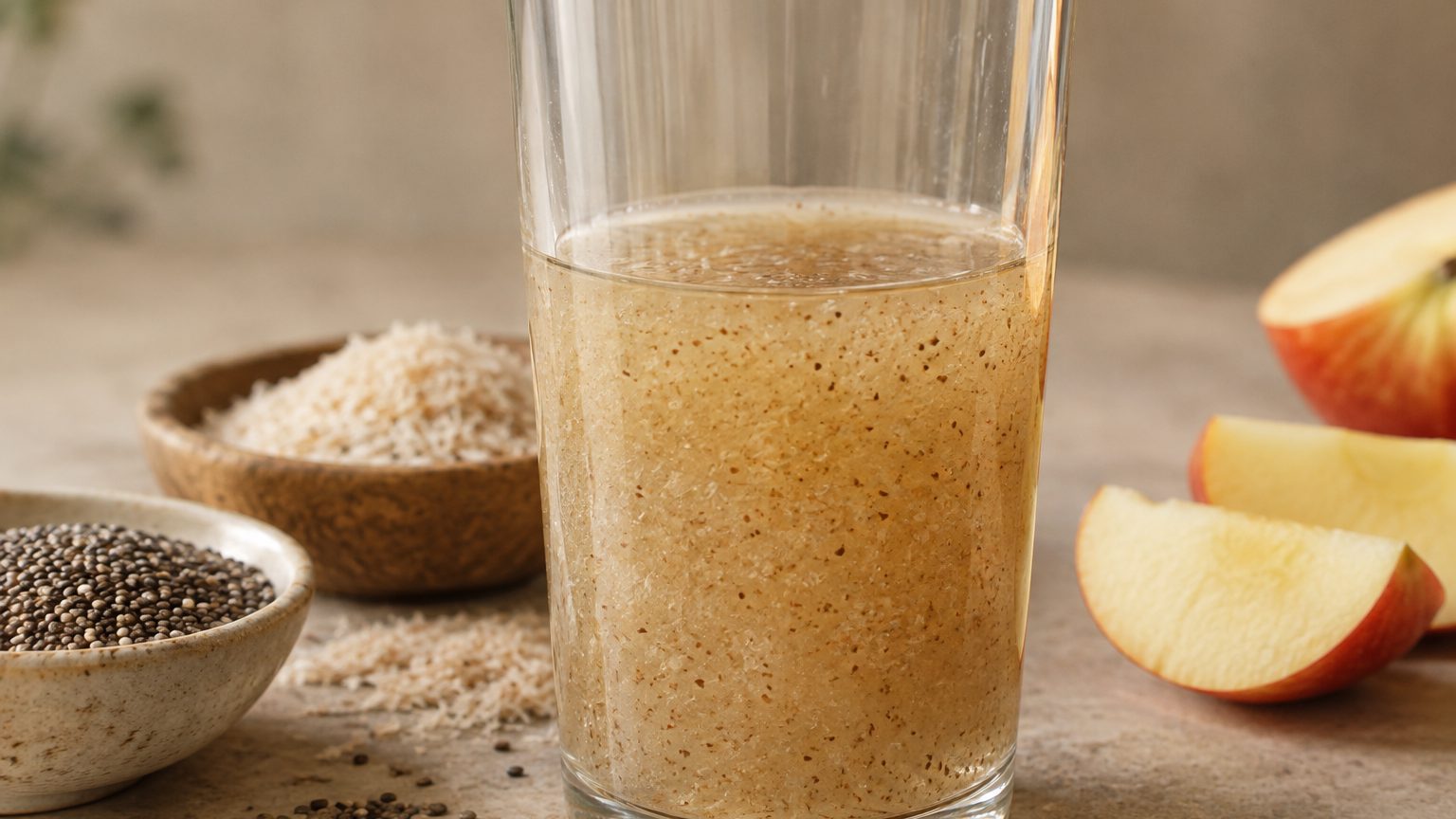
The best fiber supplement for women provides a meaningful amount of fiber, clearly identifies its sources, fits your digestive tolerance, and is easy to use consistently. LiveGood Organic Fiber is a strong all-around option because one scoop supplies 8 grams from a fully disclosed blend of ten organic plant ingredients.
Key Takeaways
- Check the grams: Look for enough fiber per serving to make a practical difference in closing your daily gap.
- Compare fiber types: Psyllium, inulin, wheat dextrin, methylcellulose, and multi-source blends behave differently in your digestive system.
- Increase gradually: A sudden jump in total fiber can temporarily cause gas, pressure, or bloating.
- Drink enough fluid: Fiber works best as part of a routine that includes consistent hydration.
- Consider life stage: Pregnancy, menopause, medication use, and age can affect your needs and tolerance.
How Much Fiber Women Need
Adult women generally need about 25 grams of fiber per day through age 50 and about 21 grams after 50. These targets reflect the broader recommendation of roughly 14 grams per 1,000 calories. Your individual target can vary with calorie intake, health history, and guidance from your clinician.
Most women get only around 15 grams daily, leaving a meaningful gap. Meals built around vegetables, fruit, beans, whole grains, nuts, and seeds should remain the foundation. A supplement can help when your usual diet does not consistently reach the target, but it does not provide all the vitamins, minerals, and plant compounds found in whole foods.
You can estimate your gap by tracking food for several typical days rather than judging one unusually high- or low-fiber meal. Our guide to how much fiber per day explains the targets and food sources in more detail.
A supplement providing 5 to 10 grams per serving can make that gap easier to close. LiveGood Organic Fiber supplies 8 grams per scoop, equal to 29% of the Daily Value on its label. That is enough to contribute meaningfully without requiring several capsules, which often contain relatively small amounts because fiber takes up considerable space.
The broader benefits of fiber supplements depend on the fiber source, your total diet, hydration, and consistent use. Research on dietary fiber supports roles in regularity, digestive health, fullness, and the composition of the gut microbiome, but responses differ among individuals.
What Makes a Good Supplement
Start with the Supplement Facts panel rather than the marketing on the front. The best fiber supplement for women should show the grams of dietary fiber per serving and disclose the amount of each primary ingredient. This lets you compare formulas on actual fiber, not scoop size alone.
Consider these buying criteria:
- Fiber type: Soluble fiber dissolves or swells in water, while insoluble fiber adds physical bulk. Many plants provide a mixture.
- Serving amount: Several grams per serving are generally more practical for closing a daily gap than a long capsule routine.
- Digestive tolerance: Highly fermentable fibers feed beneficial gut bacteria, but they can initially produce more gas in sensitive users.
- Added ingredients: Check sugars, sugar alcohols, flavors, colors, and sweeteners if these affect your preferences or digestion.
- Quality signals: Look for relevant organic certification, manufacturing standards, and clearly stated third-party testing.
- Mixability: A product only helps if its texture and preparation fit your routine.
LiveGood Organic Fiber performs well across these criteria. One scoop is about 9.65 grams, and the container provides 30 servings. The label lists 35 calories, 7 grams of total carbohydrate, 8 grams of dietary fiber, and 25 milligrams of potassium per serving.
Its fully disclosed formula contains 5,250 milligrams of organic agave inulin powder, 1,500 milligrams each of organic psyllium husk and organic whole-pea fiber, and 375 milligrams each of organic baobab fruit and chia seed powders. It also contains 250 milligrams of organic apple cider vinegar powder standardized to 5% acid, plus 100 milligrams each of organic Ceylon cinnamon bark, lemon fruit, ginger root, and turmeric root.
The product is USDA Organic, vegan, non-GMO, soy free, gluten free, keto friendly, and made without added sugar. It is also third-party tested, heavy metal tested, and made in the USA. At $14.95 for members or $29.95 retail, the cost is about $0.50 or $1.00 per 8-gram serving, respectively.
Fiber Across Life Stages
In your 20s through 40s, convenience is often the main issue. Work schedules, travel, low-fiber convenience foods, and inconsistent meal patterns can make it difficult to reach 25 grams every day. A powder can help fill the measured gap, while food continues to provide the wider range of nutrients your body needs.
Iron supplements can also contribute to digestive changes for some women. If you use supplemental iron or prescription medication, ask your doctor or pharmacist how to separate it from fiber. Fiber can alter the absorption or timing of certain medicines.
During pregnancy, constipation becomes more common because of physical, hormonal, dietary, and medication-related factors. Fiber-rich foods and many fiber supplements are commonly used, but you should check with your prenatal clinician before beginning a supplement. Your clinician can account for nausea, fluid needs, medications, and pregnancy-specific concerns.
After 50, the general fiber target is about 21 grams daily. Appetite, activity, hydration, and food intake may change with age, so a concentrated source can be practical. Women searching for fiber for menopause should focus on fiber quantity, tolerance, and overall nutrition rather than hormone-related marketing. Soy and flax lignans are sometimes promoted in this category, but a fiber supplement should not be treated as a hormone product.
Consistency can matter more than chasing a particular life-stage label. Fiber for women over 50 does not need to come in a special pink package. It should provide a useful amount, disclose its sources, mix easily, and fit alongside your food and fluid intake. Broader nutrient needs may also shift, as discussed in our guide to vitamins for women over 50.
Fiber Types Compared
Different fibers have different physical and fermentable properties. Fermentation occurs when gut bacteria break down certain fibers, producing compounds that interact with the intestinal environment. This process can support beneficial bacteria, but it can also temporarily increase gas.
| Fiber type | Main characteristics | Practical consideration |
|---|---|---|
| Psyllium husk | Soluble, gel-forming fiber with some insoluble fiber | Supports regularity and requires adequate fluid |
| Inulin | Soluble prebiotic fiber that feeds beneficial gut bacteria | Highly fermentable, so tolerance may improve with gradual increases |
| Wheat dextrin | Processed soluble fiber that dissolves easily | Often mixes clearly, but source and product-specific gluten status should be checked |
| Methylcellulose | Manufactured, nonfermentable soluble fiber | Generally produces less fermentation-related gas |
| Multi-source blends | Combine fibers with different properties | Can provide broader functionality in one serving |
Psyllium absorbs water and forms a gel. Research on psyllium has examined regularity, stool consistency, and fullness, although results depend on dose, diet, and the population studied. Our psyllium husk powder guide covers its properties and preparation.
Inulin is a prebiotic fiber, meaning it serves as food for certain beneficial gut bacteria. Research on inulin fiber suggests it can influence the gut microbiome, but its fermentability explains why some people notice gas when they increase it quickly.
Multi-source formulas combine these roles. LiveGood Organic Fiber pairs agave inulin with psyllium and whole-pea fiber, then adds smaller amounts of baobab and chia. This creates a mix of fermentable, gel-forming, and plant-based fibers rather than relying on a single source. No type is universally best for every digestive system, so your comfort, fluid intake, and preferred texture remain part of the decision.
Start Fiber Without Excess Bloating
Women looking for fiber for bloating should know that fiber can temporarily add gas or pressure when total intake rises suddenly. This does not automatically mean the ingredient is unsuitable. Gut bacteria and bowel contents need time to adjust, especially with fermentable fibers such as inulin.
First, look at your current intake. If you rarely eat beans, whole grains, vegetables, or fruit, moving from a low-fiber diet to a high-fiber diet overnight may be uncomfortable. Increase your overall intake gradually while following the product label, and keep your water intake consistent throughout the day.
Pick one time of day and keep it. Before a meal, mid-morning or first thing with a glass of water all work; timing matters less than choosing a routine you can repeat while maintaining adequate fluid intake.
Do not let a mixed fiber drink sit indefinitely. Gel-forming fibers such as psyllium thicken as they absorb water, so mix the powder thoroughly and drink it promptly. If texture is an issue, a smoothie may feel more familiar than plain water.
Keep any fiber supplement at least two hours away from medication unless your doctor or pharmacist gives different instructions. If bloating remains uncomfortable, review your total fiber from both food and supplements rather than assuming the supplement is the only source. Persistent symptoms deserve a conversation with a healthcare professional.
If you want a fully disclosed multi-source powder, LiveGood Organic Fiber provides 8 grams of fiber per scoop from ten organic plant ingredients. Mix one scoop into 6 to 8 ounces of water, juice, or a smoothie, ideally between meals or 30 to 60 minutes before eating. Keep your fluid intake steady, use it consistently according to the label, and keep it two hours away from medication.
Who Should Check First
Talk with your doctor or pharmacist before using a fiber supplement if you take prescription medication. Fiber may change how quickly or completely some medicines are absorbed, and the right spacing can vary by medication. The general product guidance is to separate fiber and medication by two hours, but individualized instructions take priority.
Check with your prenatal clinician if you are pregnant or breastfeeding. Fiber is a normal part of food, and many supplements are commonly used, but your clinician should consider your full prenatal routine, iron intake, hydration, and any digestive symptoms.
You should also seek personalized guidance if you have irritable bowel syndrome, known narrowing or blockage in the digestive tract, swallowing difficulty, persistent abdominal pain, kidney or liver conditions, or another existing medical condition. Some people with sensitive digestion tolerate certain fibers better than others, and a clinician or registered dietitian can help identify a suitable approach.
Ask a healthcare professional before giving fiber supplements to children. Keep the product and prepared drinks away from pets unless a veterinarian has specifically recommended them.
Stop and get medical advice if a new supplement is followed by severe pain, vomiting, difficulty swallowing, or a persistent change in bowel habits. For most adults, the practical approach is simpler: compare disclosed fiber amounts, choose a type you tolerate, follow the label, drink adequate fluid, and use the supplement as support for a fiber-rich eating pattern.
Frequently Asked Questions
What is a good fiber supplement for women?
A good fiber supplement provides several grams of fiber per serving, identifies its fiber sources, and fits your digestive tolerance. Also consider added sugar, testing, mixability, and cost per serving. A multi-source formula can combine fermentable and gel-forming fibers, while a single-source product may make it easier to identify which fiber you tolerate best.
How much fiber does a woman need?
Most adult women need about 25 grams of fiber daily through age 50 and about 21 grams after 50. Another useful benchmark is 14 grams per 1,000 calories. Because many women consume around 15 grams daily, tracking several typical days can show whether food alone covers your target or a supplement could help fill the gap.
What fiber is best for women who experience bloating?
There is no single best fiber for every woman who experiences bloating. Inulin is highly fermentable and may initially produce more gas, while methylcellulose is less fermentable. Psyllium forms a gel and may suit people who tolerate it with enough fluid. Increase total fiber gradually and discuss persistent or painful bloating with your doctor.
What is the best fiber for women over 50?
The best fiber for women over 50 provides a useful serving, clear ingredient amounts, and a texture that supports consistent use. Women over 50 generally need about 21 grams daily. Psyllium, inulin, and multi-source blends can all contribute, but hydration, medication timing, digestive tolerance, and fiber-rich foods remain equally important.
How much psyllium husk should you take per day?
There is no universal psyllium amount that is right for every person. Research has used different amounts and schedules, while commercial products vary in concentration and serving size. Follow your product label, take it with adequate fluid, and ask your doctor or pharmacist about use alongside medication, pregnancy, or an existing medical condition.
How does LiveGood Organic Fiber compare with Benefiber?
Original Benefiber powder uses one fiber, wheat dextrin, at about 3 grams per serving, and dissolves clear. LiveGood Organic Fiber gives you 8 grams per scoop from organic agave inulin, psyllium husk and pea fiber, so it mixes into a fuller drink and covers more than one fiber job. It is USDA Organic with no sugar added.