
Organic Fiber vs Benefiber and Metamucil
 Written by Ben Glinsky
Ask AI about this article and Organic Fiber





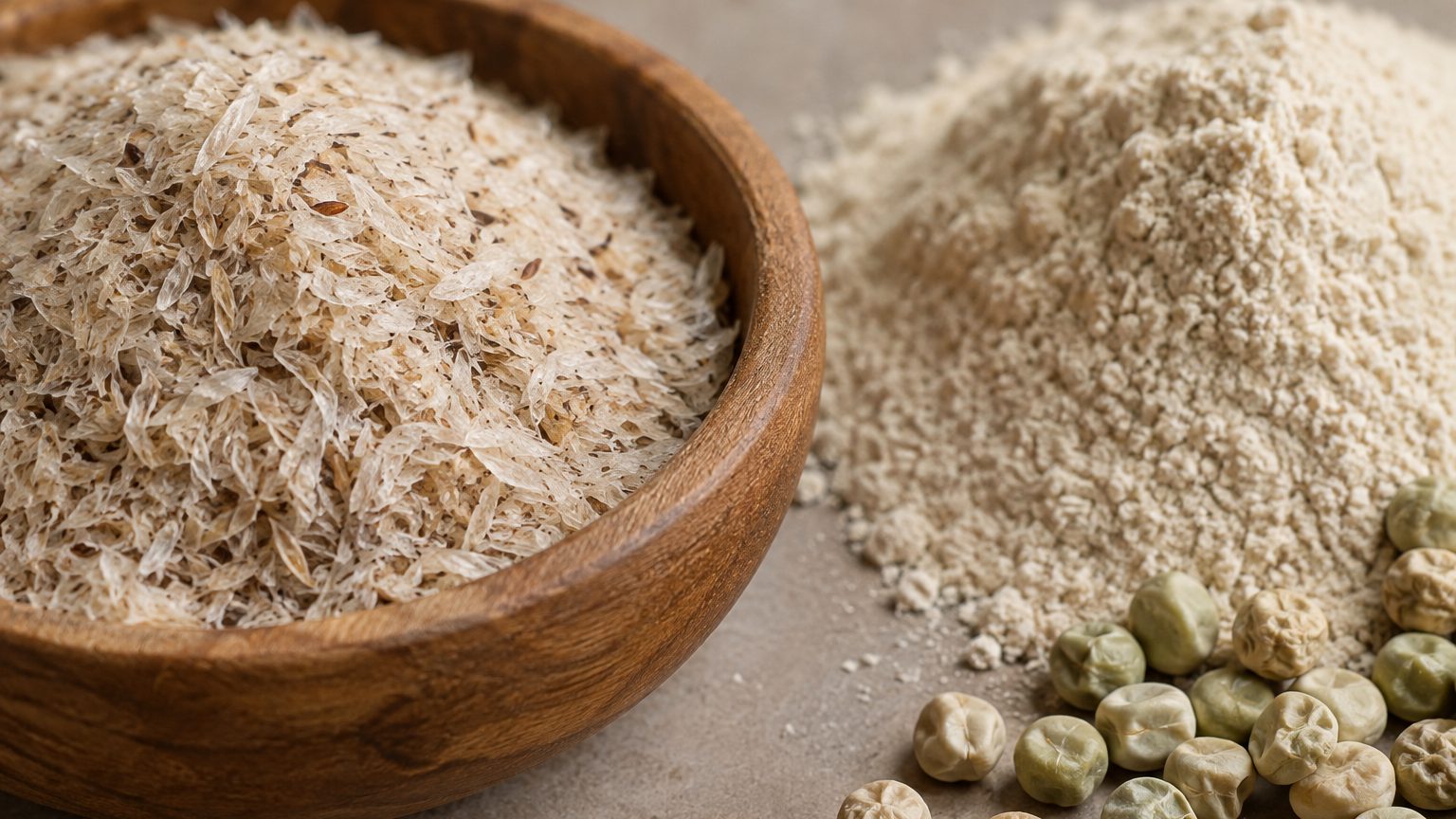
LiveGood Organic Fiber differs from Benefiber through its 10-ingredient organic formula, and it differs from Metamucil by combining psyllium with inulin, pea fiber and other plant ingredients. The best choice for you depends on whether you prioritize a clear-dissolving single fiber, a psyllium-focused product or a multi-source organic fiber supplement.
Key Takeaways
- Multiple sources: Organic Fiber combines psyllium, inulin, pea fiber and seven other fully disclosed plant ingredients.
- More per serving: One scoop provides 8 grams of dietary fiber, compared with about 3 grams in original Benefiber and roughly 2 to 3 grams in many Metamucil products.
- Different textures: Benefiber dissolves clear, while Organic Fiber and psyllium-based products develop more texture when mixed.
- Broader roles: Organic Fiber combines viscous, fermentable and other plant fibers to support regularity, digestive health, fullness and beneficial gut bacteria.
- Clear directions: Mix one scoop with 6 to 8 ounces of water, juice or a smoothie, preferably between meals or 30 to 60 minutes before eating.
The Short Answer
LiveGood Organic Fiber is a multi-source formula, while original Benefiber centers on wheat dextrin. Wheat dextrin is a soluble, non-viscous fiber, meaning it dissolves without forming a thick gel. Organic Fiber combines organic agave inulin, psyllium husk, pea fiber and seven additional plant ingredients, providing 8 grams of dietary fiber per scoop.
That distinction makes Organic Fiber a useful Benefiber alternative if you want more than one fiber source, USDA Organic certification, no added sugar and a fuller-textured drink. Benefiber may appeal to someone whose main priority is a clear-dissolving powder. Both can add fiber to your day, but their ingredient strategies and mixing experiences differ.
Organic Fiber also takes a different approach from Metamucil. Metamucil centers on psyllium husk, a viscous fiber that absorbs water and forms a gel. Organic Fiber includes psyllium, but it pairs it with fermentable inulin, pea fiber and supporting plant ingredients. It therefore provides several fiber functions within one scoop rather than focusing primarily on psyllium.
This fiber supplement comparison is not about declaring one format suitable for everyone. Your preferred texture, ingredient list, dietary needs and reason for adding fiber all matter. For background on what supplemental fiber can realistically do, see the broader guide to fiber supplement benefits.
What Organic Fiber Contains
One scoop of LiveGood Organic Fiber is about 9.65 grams and provides 35 calories, 7 grams of total carbohydrate, 8 grams of dietary fiber, or 29% of the Daily Value, and 25 milligrams of potassium. The container supplies 30 servings.
The label fully discloses every ingredient amount:
- Organic agave inulin powder (Agave tequilana), 5,250 mg
- Organic psyllium husk (Plantago ovata), 1,500 mg
- Organic pea fiber powder from whole pea, 1,500 mg
- Organic baobab fruit powder, 375 mg
- Organic chia seed powder, 375 mg
- Organic apple cider vinegar powder standardized to 5% acid, 250 mg
- Organic Ceylon cinnamon bark, 100 mg
- Organic lemon fruit powder, 100 mg
- Organic ginger root, 100 mg
- Organic turmeric root, 100 mg
Inulin is a fermentable prebiotic fiber, which means gut bacteria can use it as a food source. Psyllium absorbs water and contributes viscosity, or gel-like thickness. Pea fiber adds another whole-plant fiber source. You can read more about inulin fiber and psyllium husk powder separately.
LiveGood lists it as USDA Organic, vegan, non-GMO, soy free, gluten free, keto friendly and no sugar added. It is also third-party tested, heavy metal tested and made in the USA. At 30 servings, the listed $14.95 member price works out to about $0.50 per serving, while the $29.95 retail price is about $1.00 per serving.
Organic Fiber vs Benefiber
Original Benefiber powder uses wheat dextrin, a soluble fiber that dissolves clearly and does not noticeably thicken a drink. Its label provides about 3 grams of fiber per two-teaspoon serving. This straightforward format works well for people who place a high value on an unobtrusive texture.
LiveGood Organic Fiber provides 8 grams of dietary fiber per scoop from a broader plant-based formula. Because it includes psyllium, inulin, pea fiber, chia and fruit powders, you should expect more body and visible texture than you would get from a clear-dissolving wheat dextrin powder.
| Organic Fiber | Benefiber |
|---|---|
| Fiber approach: Ten disclosed plant ingredients, led by agave inulin, psyllium husk and pea fiber | Fiber approach: Original powder uses wheat dextrin as its fiber source |
| Fiber per serving: 8 grams per scoop | Fiber per serving: About 3 grams per two-teaspoon serving |
| Texture: Mixes into a fuller-textured drink | Texture: Dissolves clear without thickening |
| Primary fit: A multi source fiber supplement for regularity, digestive support, fullness and beneficial gut bacteria | Primary fit: A simple soluble fiber that is easy to add discreetly to food or beverages |
| Formula details: USDA Organic, no sugar added, vegan, non-GMO and fully disclosed | Formula details: Check the specific package for current ingredients and dietary details |
Organic Fiber is a compelling Benefiber alternative if you want an organic formula that combines fermentable inulin with gel-forming psyllium and additional plant fibers. Benefiber remains a distinct option for someone who prioritizes clarity and minimal texture. Neither texture is inherently better, but it can strongly influence which supplement you will use consistently.
Organic Fiber vs Metamucil
Metamucil's active ingredient is psyllium husk, generally about 3.4 grams of psyllium per serving. Depending on the specific product, that typically supplies roughly 2 to 3 grams of dietary fiber. Psyllium absorbs water and creates a gel, which explains why these products thicken after mixing.
LiveGood Organic Fiber also contains psyllium, but psyllium is one part of its wider formula. Each scoop combines 1,500 milligrams of psyllium with 5,250 milligrams of organic agave inulin, 1,500 milligrams of organic pea fiber and seven additional plant ingredients. The complete serving provides 8 grams of dietary fiber.
| Organic Fiber | Metamucil |
|---|---|
| Fiber approach: Psyllium plus inulin, pea fiber and additional plant ingredients | Fiber approach: Psyllium is the active fiber ingredient |
| Fiber per serving: 8 grams per scoop | Fiber per serving: Roughly 2 to 3 grams in many products, so check the label |
| Texture: Has body from psyllium, pea fiber and powdered plant ingredients | Texture: Psyllium gels and thickens in liquid |
| Sweeteners: No sugar added | Sweeteners: Sugar-sweetened and sugar-free versions are sold; sugar-free products use aspartame or other sweeteners, so check the label |
| Primary fit: Multiple fiber types and organic plant ingredients in one serving | Primary fit: A psyllium-centered fiber supplement |
One label-reading detail matters here: grams of psyllium and grams of dietary fiber are not interchangeable measurements. Psyllium is the ingredient's weight, while dietary fiber is the amount counted as fiber on the Nutrition Facts panel. Compare the dietary fiber line when you want a serving-to-serving fiber comparison.
Organic Fiber can serve as a Metamucil alternative if you want psyllium's gel-forming properties alongside fermentable inulin and other plant sources. Both require prompt mixing and adequate fluid because psyllium begins absorbing water quickly.
Why Multiple Fiber Sources Matter
Different fibers behave differently in your digestive tract. Solubility describes whether a fiber disperses in water, viscosity describes whether it forms a gel, and fermentability describes how readily gut bacteria break it down. A fiber can have more than one of these characteristics.
Research on psyllium suggests that its water-holding, gel-forming structure can support stool form and regularity. A review of functional fibers explains that viscosity is a major reason some fibers affect stool consistency differently from clear-dissolving, non-viscous fibers. This is an ingredient-level finding, not proof that every psyllium-containing product produces an identical experience.
Inulin does a different job. It is readily fermented by gut bacteria and is widely recognized as a prebiotic fiber. That fermentation can support beneficial gut bacteria, although it can also produce temporary gas or bloating, especially if you increase fermentable fiber quickly. Organic Fiber uses inulin as the largest ingredient by weight and combines it with psyllium and pea fiber.
This multi-source design is the formula's central advantage. Instead of asking one fiber to perform every task, Organic Fiber brings together fermentable and viscous fibers, plus additional plant-based sources. It supports regularity, digestive health and fullness while supplying 8 grams of dietary fiber per scoop. It also offers full label disclosure, USDA Organic certification and broad dietary compatibility in a formula priced at about $0.50 per member serving.
For a practical daily routine, mix one scoop of LiveGood Organic Fiber into 6 to 8 ounces of water, juice or a smoothie and drink it after mixing. Use it between meals or 30 to 60 minutes before eating to support digestion and fullness. Many people prefer taking fiber in the morning, but the best time is the one you can follow consistently while drinking enough fluid.
How to Start Fiber
Adding a large amount of fiber suddenly can cause gas, fullness, cramping or changes in bowel habits. Your gut bacteria and digestive system often need time to adjust, particularly to fermentable fibers such as inulin. General digestive guidance recommends increasing fiber gradually and drinking adequate fluid, but you should use any specific product according to its label.
For Organic Fiber, the labeled serving is one scoop in 6 to 8 ounces of water, juice or a smoothie. Mix it well and drink it without letting it sit for an extended period, since psyllium absorbs liquid and thickens. Follow it with additional water if needed to maintain comfortable hydration throughout the day.
The suggested timing is between meals or 30 to 60 minutes before eating. Taking it at a consistent time can make the habit easier to maintain. If mornings work best for your schedule, first thing in the morning is also a common choice.
Remember that a supplement adds to the fiber already present in food. Beans, lentils, vegetables, fruit, nuts, seeds and whole grains contribute different fibers along with vitamins, minerals and other plant compounds. Your total need depends partly on age and sex, so use the guide to how much fiber per day to place an 8-gram serving in context.
Pay attention to your own comfort rather than expecting an overnight result. Changes in regularity may appear within days for some people, while adjustment to a different fiber pattern can take longer. Consistent use, sufficient fluid and an overall fiber-rich diet matter more than changing products repeatedly.
Who Should Check First
Fiber supplements can affect how quickly some medicines are absorbed. Anyone taking medication should separate fiber by at least two hours and ask a doctor or pharmacist whether a longer interval is needed for a particular prescription. Do not mix a medication directly into a fiber drink unless your healthcare professional specifically tells you to do so.
Because psyllium expands in liquid, people with swallowing difficulty should speak with a healthcare professional before using a psyllium-containing supplement. Always mix the powder with the full amount of liquid on the label, drink it promptly and never swallow dry fiber powder.
Talk with your doctor before adding a fiber supplement if you are pregnant or breastfeeding, have a kidney or liver condition, have an existing digestive or other medical condition, or are considering it for a child. A clinician can help you account for fluid restrictions, current symptoms and medication timing.
Stop using the supplement and seek medical guidance if you develop difficulty swallowing or breathing, severe or persistent abdominal discomfort, vomiting or another concerning reaction. Mild gas can occur when fiber intake changes, but significant or continuing symptoms deserve individual evaluation.
Finally, read the exact package you purchase. Product varieties within a brand can differ in fiber content, sweeteners, serving size and other ingredients. Reading the Nutrition Facts panel and ingredient list keeps you from assuming that every powder, capsule or gummy has the same formula.
Frequently Asked Questions
Is Organic Fiber a good Benefiber alternative?
Yes, Organic Fiber can be a good Benefiber alternative if you prefer multiple organic plant sources and more fiber per labeled serving. It provides 8 grams from a formula led by inulin, psyllium and pea fiber. Original Benefiber provides about 3 grams from wheat dextrin and may suit people who prioritize a clear-dissolving, non-thickening powder.
Is Organic Fiber a good Metamucil alternative?
Yes, Organic Fiber can be a useful Metamucil alternative for someone seeking psyllium within a broader multi-source formula. It combines psyllium with organic agave inulin, pea fiber and other plant ingredients, providing 8 grams of dietary fiber per scoop. Metamucil focuses on psyllium, so check the specific label for fiber content and sweeteners.
What are good fiber supplements for daily use?
Good daily fiber supplements provide a clearly stated fiber amount, transparent ingredients and a format you can use consistently. Psyllium offers viscous, gel-forming fiber, while inulin provides fermentable prebiotic fiber. A multi-source formula combines different functions. Choose according to your diet, texture preference and tolerance, and follow the label with adequate fluid.
Should I take a fiber supplement every day?
A fiber supplement can be used daily when the label permits and it fits your nutritional needs. It should complement fiber-rich foods rather than replace them. Consistent use and sufficient water generally matter more than choosing a particular hour. Ask your doctor first if you use medication or have an existing medical condition.
How much fiber do adults need each day?
Many adults need roughly 22 to 34 grams of fiber daily, with the appropriate amount varying by age and sex. Count fiber from food and supplements together. One scoop of Organic Fiber supplies 8 grams, or 29% of the Daily Value, but vegetables, fruit, legumes, whole grains, nuts and seeds should remain central to your routine.
Can fiber supplements cause gas or bloating?
Yes, fiber supplements can temporarily cause gas, bloating or changes in bowel habits, especially when they contain readily fermentable fibers such as inulin. Introducing more fiber gradually and drinking enough water may improve comfort. Follow the product directions, and speak with your doctor if symptoms are severe, persistent or connected with an existing condition.